

 Posted by
 Wrinkles are a natural part of life, yet they often spark curiosity—and concern—about what’s happening beneath the skin’s surface. While aging is the most obvious factor, the truth is that wrinkles form due to a complex mix of biological processes, environmental exposure, and daily habits. Understanding why wrinkles happen can help you make smarter choices to protect your skin and slow visible aging.
The Role of Aging in Wrinkle Formation

As we age, our skin undergoes gradual structural changes. Two key proteins—collagen and elastin—are responsible for keeping skin firm, smooth, and elastic. Starting as early as our mid-20s, collagen production begins to decline. Over time, this loss weakens the skin’s supportive framework, causing it to sag and crease.
Additionally, skin cell turnover slows with age. This means older skin takes longer to regenerate, making fine lines more noticeable and slower to fade. Natural oil production also decreases, leading to dryness that exaggerates wrinkles.
Sun Exposure: The Leading External Cause
Ultraviolet (UV) radiation is one of the biggest contributors to premature wrinkles, a process known as photoaging. UV rays penetrate the skin and damage collagen fibers, accelerating their breakdown. Repeated sun exposure without protection leads to deep wrinkles, uneven texture, and discoloration.
Even on cloudy days or during short outdoor activities, unprotected sun exposure adds up. That’s why daily sunscreen use is one of the most effective anti-aging habits you can adopt.
Facial Movements and Expression Lines
Every smile, squint, or frown activates facial muscles. Over time, repeated expressions create dynamic lines that eventually become static wrinkles. Crow’s feet around the eyes and forehead lines are classic examples.
When skin is young and elastic, it snaps back easily. As elasticity declines, these lines begin to linger, eventually becoming permanent features of the face.
Lifestyle Factors That Accelerate Wrinkles
Your daily habits play a powerful role in how your skin ages:
- Smoking: Tobacco smoke restricts blood flow and damages collagen, leading to deeper wrinkles, especially around the mouth.
- Poor Diet: Diets low in antioxidants and essential nutrients leave skin vulnerable to damage and inflammation.
- Dehydration: Lack of water makes skin appear dull and accentuates fine lines.
- Sleep Position: Consistently sleeping on one side or your stomach can contribute to sleep lines that deepen over time.
- Chronic Stress: Stress hormones break down collagen and impair the skin’s ability to repair itself.
Environmental Damage and Pollution
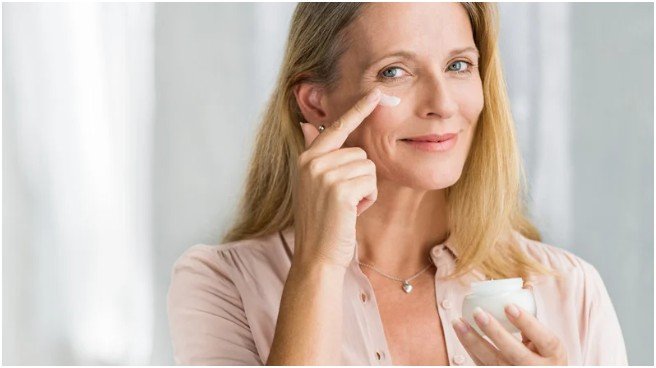
Air pollution exposes skin to free radicals—unstable molecules that damage cells and accelerate aging. Over time, this oxidative stress weakens the skin barrier, leading to fine lines, loss of elasticity, and a rougher appearance.
Using antioxidants in skincare, homemade lip scrubs and cleansing thoroughly at the end of the day can help counteract environmental damage.
Genetics: The Blueprint You’re Born With
Genetics influence how quickly your skin ages, how much collagen you naturally produce, and where wrinkles tend to form. Some people develop fine lines earlier, while others maintain smoother skin well into later years. While you can’t change your genes, healthy habits can significantly influence how those genes express themselves.
Can Wrinkles Be Slowed or Treated?
While wrinkles can’t be completely avoided, they can be minimized. Consistent skincare, sun protection, hydration, and healthy living make a noticeable difference. For those seeking cosmetic solutions, options like professional treatments, including botox in Ogden, are sometimes explored to soften expression lines and reduce the appearance of wrinkles.
Aging Skin, Reframed
Wrinkles tell the story of a life lived—full of expressions, experiences, and emotions. Understanding why they happen empowers you to care for your skin with intention rather than fear. By protecting your skin today, you’re investing in a healthier, more resilient complexion for years to come.