
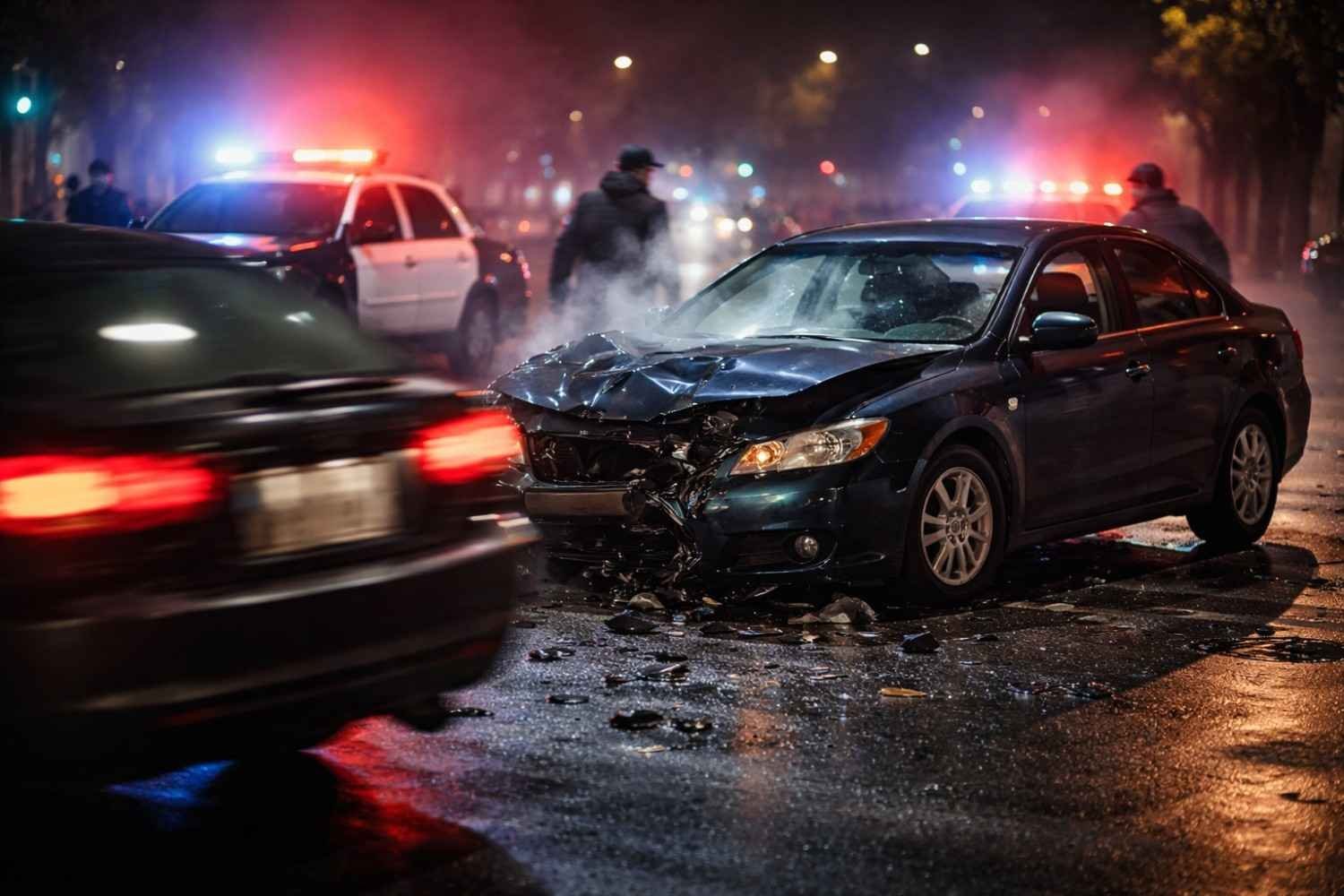
Panic is a powerful emotion. When a driver realizes they have made a mistake behind the wheel, especially under the influence of alcohol, that panic can trigger a fight-or-flight response. The instinct to flee a scene often overrides logic. This split-second decision transforms a bad situation into a catastrophic legal nightmare. Leaving the scene of an accident, particularly when impaired, compounds the severity of the offense. It adds new charges that carry heavier penalties than the original DUI allegation might have on its own.
Understanding why staying at the scene is critical can help drivers make better choices, even in their worst moments. The legal system views hit-and-run offenses harshly because they involve a conscious choice to evade responsibility. This article explores the legal and practical reasons why fleeing is never the right answer.
The Immediate Legal Escalation
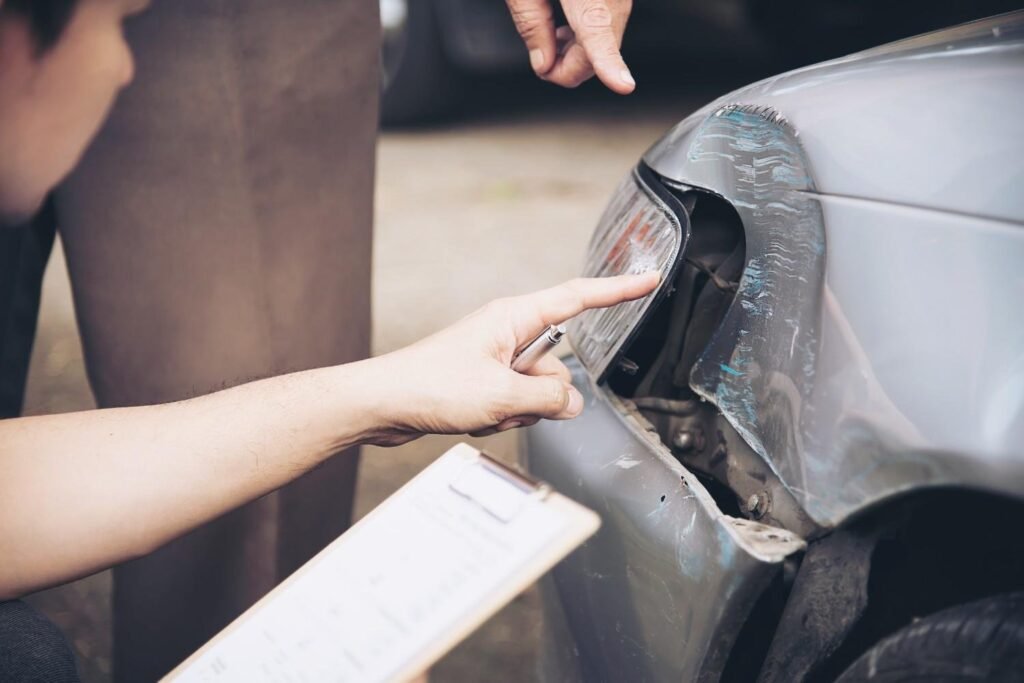
A DUI charge is serious, but it is often a misdemeanor offense depending on the jurisdiction and specific circumstances. However, leaving the scene of an accident changes the nature of the crime entirely. Most states classify a hit-and-run as a separate criminal offense. If the accident resulted in property damage, injury, or death, this charge can quickly escalate to a felony.
Prosecutors often view flight as an admission of guilt. By running away, a driver provides evidence that they knew they had done something wrong. This behavior can be used against them in court to argue for maximum sentencing. Instead of facing a single charge for driving under the influence, the driver now faces multiple charges. These might include leaving the scene of an accident, failure to render aid, and vehicular assault if injuries occurred.
Increased Penalties and Jail Time
The consequences of sticking around to face the music are almost always less severe than the penalties for running. Judges have significant discretion when sentencing. They look at the defendant’s character and behavior after the incident. A person who stays, checks on the other party, and cooperates with law enforcement shows a level of responsibility.
Conversely, fleeing shows a disregard for the law and the safety of others. This often leads to:
- Mandatory Prison Sentences: Many jurisdictions have mandatory minimum sentences for felony hit-and-run convictions.
- Higher Fines: The financial cost skyrockets when multiple charges are stacked.
- License Revocation: While a DUI might result in a temporary suspension, a hit-and-run conviction can lead to a permanent revocation of driving privileges.
The attempt to escape a DUI arrest often results in a guaranteed conviction for a much worse crime. The logic of fleeing is flawed because the penalties for the flight itself are often more severe than the penalties for the impairment.
The Reality of Modern Surveillance

Attempting to hide after an accident is increasingly futile in the modern world. Technology has made it incredibly difficult for a vehicle to vanish without a trace.
- Traffic Cameras: Intersections and highways are frequently monitored.
- Dash Cams: Many private vehicles now record their surroundings constantly.
- Smartphones: Witnesses can instantly capture photos or videos of fleeing vehicles.
- Vehicle Tech: Modern cars have black boxes and GPS systems that can track location and speed.
Law enforcement agencies have sophisticated tools to reconstruct accidents and identify vehicles involved in hit-and-run incidents. Paint transfer analysis, debris matching, and surveillance footage review are standard procedures. The likelihood of being caught is high. When apprehension occurs later, the narrative shifts from a driver who made a mistake to a fugitive who tried to outsmart the law.
The Impact on Your Defense Strategy
Every criminal case relies on a solid defense strategy. When a driver remains at the scene, their legal counsel has more to work with. There may be questions about the validity of the traffic stop, the accuracy of the breathalyzer, or the protocols followed by the arresting officer. These are standard elements a lawyer can challenge.
Fleeing the scene severely damages the potential for a strong defense. It removes the benefit of the doubt. It makes it difficult for legal counsel to argue for leniency or plea deals. Prosecutors are less likely to offer reduced charges to someone who fled the scene of a crash. A competent DUI defense attorney in Yakima, Washington or your local jurisdiction will always advise that remaining at the scene preserves your rights far better than running away.
Moral and Civil Liability

Beyond the criminal courts, there is the matter of civil liability. If someone is injured in the accident, the driver who flees faces a likely lawsuit. Insurance companies often have clauses that void coverage if the driver engages in felony conduct like fleeing a scene. This means the driver could be personally responsible for all medical bills, property repairs, and pain and suffering damages.
Moreover, the moral weight of leaving an injured person without help is heavy. In many cases, immediate medical attention can save lives. Fleeing denies victims that chance. The guilt associated with such an action can last a lifetime, far outliving any legal sentence.
Making the Right Choice Under Pressure
The moment after a collision is chaotic. Fear is natural. However, the only rational choice is to stop the vehicle safely. Turn on hazard lights. Check for injuries. Call emergency services if necessary. Exchange information if safe to do so.
Do not admit fault or discuss the details of the crash extensively, but do not leave. Staying puts you in a difficult position, certainly, but fleeing puts you in an impossible one. Facing the consequences of a DUI is a hurdle; facing the consequences of a hit-and-run is a mountain.