Many homeowners find themselves staring at blank white walls, wondering how to turn a house into a home. While neutral palettes offer a clean slate, they often lack the warmth and character that make a space feel truly yours.
Injecting personality into your interior design does not require a complete renovation or tearing down structures. Sometimes, the most impactful changes come from focusing on specific areas and giving them a distinct voice.
This guide explores how you can move beyond standard paint jobs to create focal points that capture attention and reflect your unique style.
The Evolution of the Feature Wall

For years, the standard advice for adding interest to a room was simply to paint one wall a different color. While paint remains a powerful tool, modern design has embraced texture and material as the new standard for feature walls. A flat coat of navy blue or sage green is lovely, but dimensional materials add a layer of sophistication that paint cannot achieve alone.
Wood Slats and Paneling
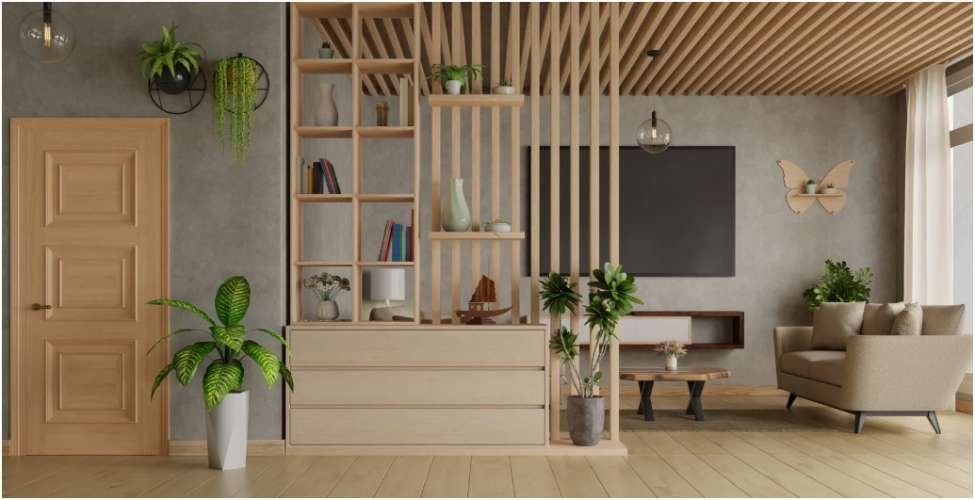
Wood brings an immediate sense of organic warmth to any room. Vertical wood slats can make ceilings appear higher while adding a rhythmic texture to the space. Whether you choose natural oak for a Scandinavian look or dark walnut for a moody, mid-century vibe, wood paneling creates depth.
You can install these behind a television in the living room or as a headboard backdrop in the master bedroom. The shadows cast by the slats change throughout the day, ensuring the wall never looks flat or boring.
Textured Wallpaper
Wallpaper has made a massive comeback, but not in the floral patterns of decades past. Today, textured wallpapers mimic materials like linen, grasscloth, or even concrete. These options provide a tactile element that draws the eye. Using a subtle, textured wallpaper in a hallway or powder room can elevate a small, often overlooked space into a design moment.
Exploring Architectural Stone
Stone features have long been associated with grand fireplaces or exterior facades, but bringing stone indoors creates a dramatic, earthy anchor for a room. It bridges the gap between the outdoors and your interior living space.
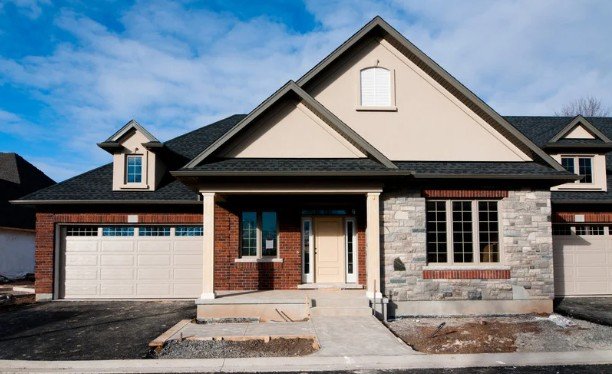
When selecting stone, consider the mood you want to set. Smooth, large-format stones feel modern and sleek, while rough-hewn options feel rustic and cozy. For a sophisticated blend of rugged texture and refined color, a cultured stone promontory style offers a neutral yet striking aesthetic that works beautifully in contemporary living rooms or dining areas. This type of application works exceptionally well on fireplace surrounds or as a backdrop for a floating staircase.
Beyond Walls: Ceilings and Floors

We often forget that a room has six surfaces, not just four walls. Your ceiling and floor offer prime real estate for adding personality.
The Fifth Wall
Designers often refer to the ceiling as the “fifth wall.” Leaving it white is a missed opportunity. Painting a ceiling a dark, rich color can make a large room feel intimate and cozy. Alternatively, adding architectural beams or coffered details brings a sense of history and structure to a new build.
For a bold statement, consider applying wallpaper to the ceiling. This draws the eye upward and surprises guests with an unexpected pattern and color overhead.
Statement Rugs and Flooring
If modifying walls or ceilings feels too permanent, look down. A large area rug can act as art for your floor. It anchors the furniture and defines the zone, especially in open-concept homes. Layering rugs—placing a smaller, patterned rug over a larger, neutral jute rug—adds bohemian flair and comfort for designing a high-end home.
Lighting as an Accent
Lighting is functional, but the fixtures themselves are sculptural elements. A dramatic chandelier or an oversized pendant light serves as jewelry for the room.
Instead of relying solely on recessed can lights, introduce layers of light. Wall sconces flanking a mirror or a piece of art add a soft glow and highlight the items you love.
Floor lamps with interesting shapes or materials, like brass or marble, contribute to the design aesthetic even when they are turned off.
Curating Art and Shelving
Finally, nothing adds personality quite like the objects you choose to display. However, clutter is not the same as curation.
Floating Shelves
Open shelving allows you to showcase a rotating collection of items. Mix books with ceramic vases, small sculptures, or framed prints. The key is to leave negative space so the arrangement breathes. Do not pack every inch of the shelf.
Gallery Walls
A gallery wall is a classic way to display art, but consistency helps it look polished. You might choose frames all in the same color for a unified look, or mix vintage and modern frames for an eclectic vibe. Ensure the center of the arrangement is at eye level to keep the visual weight balanced.
Conclusion
Your home should be a reflection of who you are. By experimenting with textures like wood and stone, utilizing the ceiling, and curating your lighting and decor, you can create a space that feels finished and intentional.
Start with one small project, perhaps a textured wall or a new lighting fixture, and watch how it transforms the energy of the room.
Ready to start your design journey? Visit our showroom today to explore materials and get expert advice on your next home project.