
 Posted by
 The essence of interior design lies not just in the arrangement of furniture or the choice of colours, but also in how light interacts with these elements to create ambience and mood. A crucial yet often overlooked aspect of lighting within an interior space is the use of window film, a versatile material that can transform both commercial and residential environments.
Understanding Window Film
Traditionally, window treatments have ranged from heavy draperies to minimalistic blinds. However, window films offer a sophisticated alternative that strikes a balance between privacy, light control, and aesthetic appeal. They are thin laminates that can be installed on glass surfaces, serving various functional and decorative purposes.
Enhancing Privacy and Security
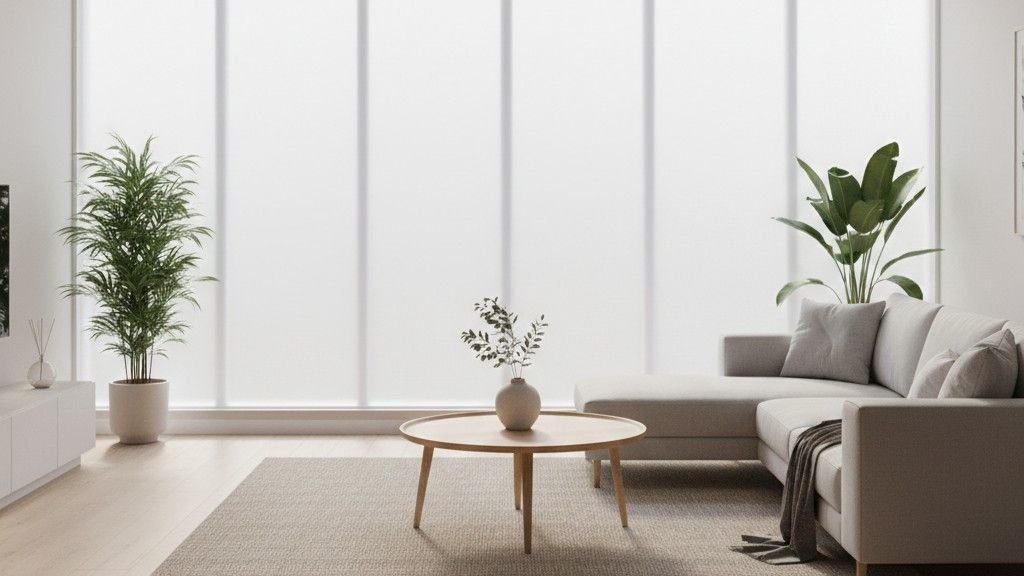
In the realm of interior design, privacy can be as significant as the visual theme of a room. Window films provide a privacy solution without sacrificing natural light. Frosted or tinted films can obscure the interior view, making it an ideal choice for ground-level offices, clinics, and living spaces that require an element of confidentiality. In addition, certain types of window film can bolster security by reinforcing glass and reducing the risk of breakage.
Energy Efficiency and UV Protection
One of the practical advantages of integrating window film into a building’s design is energy efficiency. High-quality films can act as insulators, keeping interiors warm in winter and cool in the summer months, thereby reducing reliance on heating and cooling systems. Moreover, these films can block harmful ultraviolet rays, protecting both inhabitants and interior furnishings from sun damage.
Creating Ambience with Light Control
The interplay of light and space is at the heart of atmospheric design. Window films can be employed to soften harsh sunlight or to diffuse light for a more even distribution within a room. This control over light intensity is not only crucial from a comfort standpoint but also from a design perspective, as it affects the visibility and colour perception of the room’s decor.
Decorative Applications
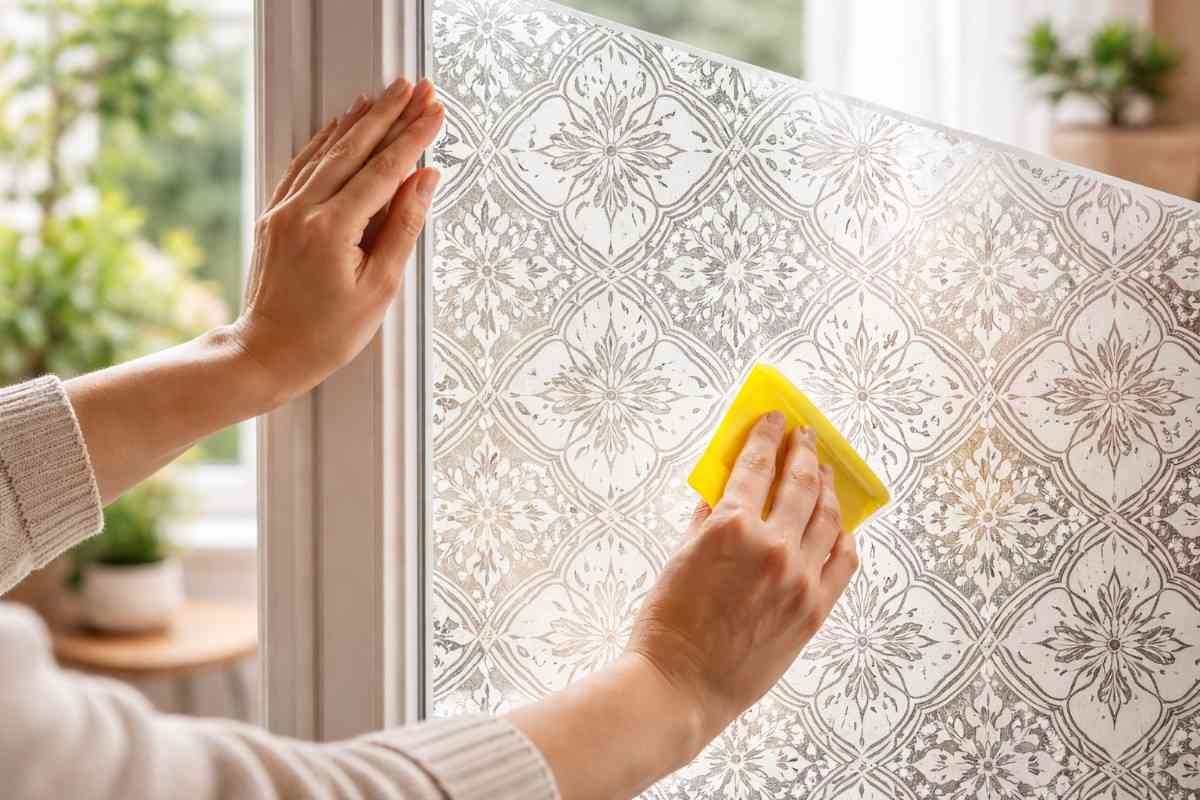
Window films are not merely functional but can also be highly decorative. Available in a plethora of designs, from subtle textures to bold patterns, these films can complement and enhance the aesthetic of any space. They can be especially useful in spaces that need an updated look but cannot accommodate major renovations.
The Role of Window Film in Branding
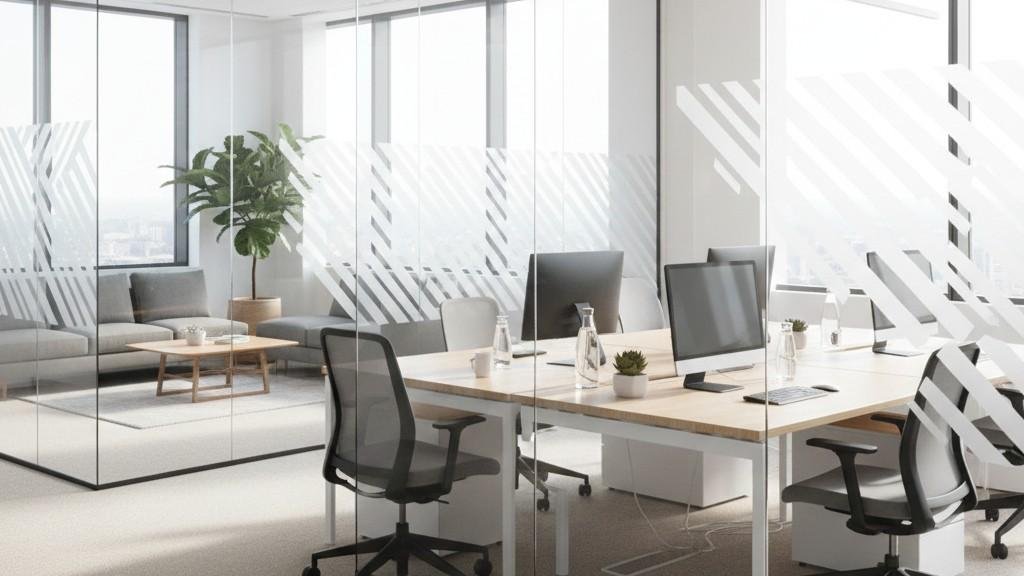
For commercial spaces, window films can be an instrumental tool in branding. Custom window films can feature logos, company colours, or thematic elements that align with a brand’s identity. This helps businesses stand out while also providing a unique customer experience through the design of their physical premises.
Cultural and Historic Considerations
Interior design does not exist in a vacuum. Cultural sensibilities and historical contexts often shape design choices. In this respect, window film can be used to pay homage to traditional stained glass or to incorporate culturally significant motifs in a modern manner. When updating historical buildings, window film can also act as a less invasive alternative to structural modifications.
Installation and Maintenance
A noteworthy aspect of window films is the ease of installation and maintenance. Unlike some other window treatments, films can be applied quickly and do not require extensive hardware. They are also easy to clean, requiring just a basic wipe down, and are less prone to damage from sun exposure or humidity than traditional fabrics.
Challenges and Considerations
 Despite their versatility, there are factors that must be considered when opting for window film. Appropriate selection depends on the orientation of the building, regional climate, and the specific needs of the space. Professional assessment is vital to ensure that the film delivers on its intended purpose without unintended consequences, such as excessive heat absorption.
Future Trends in Window Film
The future of window film in interior design is promising, with new technologies emerging to expand its capabilities. Smart films that can switch from transparent to opaque with the press of a button and films integrated with LED lighting are examples of the innovative directions in which window film technology is headed. These advances will allow designers even more control over privacy and ambience.
Conclusion
Window film represents a confluence of form and function, offering aesthetic flexibility, practical benefits, and a unique way to control the natural light that life so fundamentally revolves around. Its application is an art, with the potential to not only transform spaces aesthetically but to also impact energy consumption, comfort, and even how a brand is experienced. For anyone looking to reform their space with a modern touch, considering window film might just bring that necessary element of light-based transformation.
Embracing the Potential of Window Film
In summary, window film is a multifaceted design element essential for any interior designer, home-owner, or business to consider. Embracing window film revitalizes spaces, offering benefits that go beyond aesthetics to enhance function and design.
Whether seeking to establish a certain mood, convey a brand identity, or just provide privacy, window film is an innovative solution capable of meeting various demands. The art of light transforms spaces, and window films are the tools that help create unique, dynamic environments.