
 Posted by
 Across the United States, more people than ever are identifying as spiritual but not religious. I see it in my own circles—friends who meditate daily but never attend church, colleagues who believe in a higher power but reject organized doctrine, and younger Americans who describe themselves as seekers rather than members.
This shift is not random. It reflects one of the most significant religious and cultural transformations in modern American history.
In this guide, I’ll explain what this identity really means, how it differs from traditional religion, what Americans in this group actually believe, and why the movement continues to grow.
What Does Being Spiritual But Not Religious Actually Mean?

When I use the term spiritual but not religious, I’m describing a self-chosen identity. It represents people who seek transcendence, meaning, and connection to something greater but do not affiliate with organized religious institutions.
Religion in the United States typically involves:
- Institutional structures
- Shared dogmas
- Formal rituals
- Communal worship services
- Clergy leadership
Spirituality, by contrast, centers on:
- Personal experience
- Direct connection to the divine or universe
- Mind-body-spirit well-being
- Inner transformation
- Individual exploration
Religion asks, “What do we believe?”
Spirituality asks, “What do I experience and how do I grow?”
That distinction matters to millions of Americans.
How Many Americans Identify This Way? (US Statistics)
According to Pew Research Center, this group represents a significant and growing segment of the US population.
Here are some key findings:
- 88% believe in a spiritual realm beyond the physical world.
- Only 20% believe in the God described in the Bible, compared to 82% of religiously affiliated adults.
- 71% believe spirits can reside in elements of nature like mountains or trees.
- 78% believe animals possess spiritual energy.
- The group skews younger, especially among Millennials and Gen Z.
- Politically, they are more likely to lean Democratic.
These numbers show that Americans are not abandoning belief altogether. Instead, many are reshaping how belief fits into their lives.
Source: Pew Research Center
https://www.pewresearch.org/religion/
Why Is This Growing So Fast in the United States?

Several uniquely American factors drive this shift.
Generational Change
Millennials and Gen Z prioritize authenticity, inclusion, and personal autonomy. Many resist institutional authority, including religious institutions.
Distrust of Institutions
Public trust in large institutions—including churches—has declined across the US. However, the desire for meaning has not declined.
Cultural Emphasis on Wellness
The explosion of mindfulness apps, yoga studios, and meditation retreats reflects America’s embrace of secular spirituality practices.
Digital Access to Beliefs
Americans now explore world philosophies instantly online. Exposure to global traditions encourages eclectic, self-directed belief systems.
The result is a population seeking depth without doctrine.
What Do Spiritual But Not Religious Americans Actually Believe?
Beliefs vary, but research shows several common threads:
- Belief in a higher power or universal energy
- Openness to reincarnation or spiritual realms
- Strong belief in nature as spiritually significant
- Less attachment to biblical literalism
- Emphasis on compassion and ethical living
Many describe their faith as evolving rather than fixed.
Five Types of SBNR Individuals (Research-Based Framework)
Theologian Linda Mercadante identifies five distinct categories within this community. Understanding them helps explain the diversity inside the movement.
Dissenters
These individuals avoid organized religion due to negative experiences or skepticism. Many cite hypocrisy or institutional failures as reasons for departure.
Casuals
They engage in spiritual practices like yoga or meditation primarily for stress relief and personal wellness.
Explorers
They enjoy discovering new spiritual paths without committing to one tradition. I see this often in people experimenting with Buddhism, Stoicism, and energy healing simultaneously.
Seekers
They actively search for a new spiritual home or alternative community.
Immigrants
These individuals feel they have entered a new spiritual realm after leaving traditional religion and are still adjusting.
This typology shows that the movement is not monolithic. It’s layered and complex.
Common Practices in American Secular Spirituality

Many people in this group build a “DIY spirituality” approach. Instead of following a single doctrine, they combine practices that resonate personally.
Here are the most common:
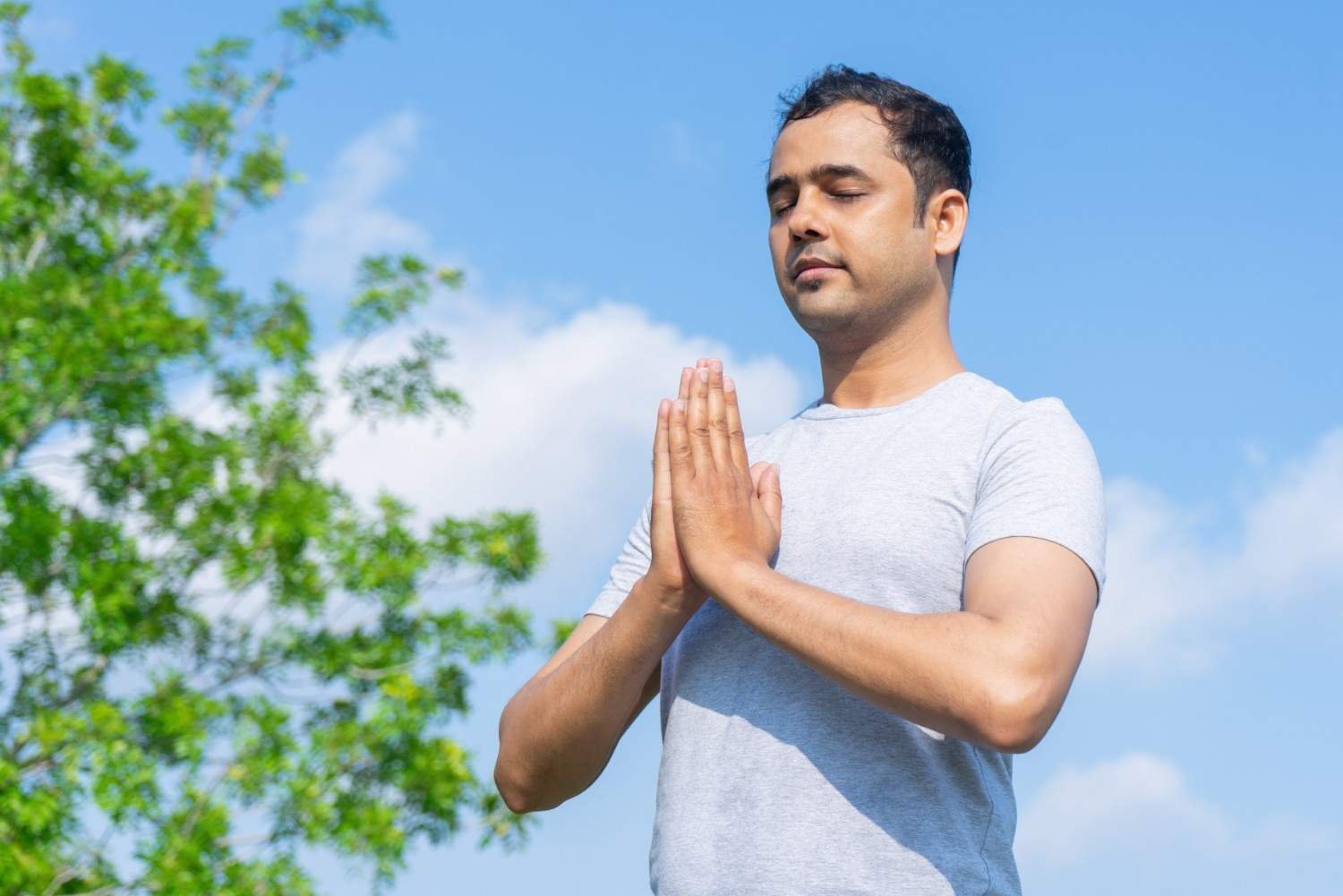
Meditation and Mindfulness
Used to cultivate awareness and emotional balance.
Nature Connection
Hiking, camping, and time outdoors serve as spiritual experiences.
Yoga
Seen as a bridge between physical health and spiritual alignment.
Divination Tools
Astrology, tarot, and crystals are often used for reflection and guidance.
These practices emphasize personal experience over institutional authority.
Is This Just Individualism Disguised as Faith?
Critics sometimes argue that being spiritual but not religious is vague or self-centered.
I disagree.
Most people I know who identify this way take moral development seriously. They emphasize compassion, self-awareness, service, and ethical responsibility.
The difference is not a rejection of values. It’s a rejection of centralized authority over those values.
Is Spiritual But Not Religious Replacing Christianity in America?
Not exactly.
Christianity remains the largest religious tradition in the United States. However, the religiously unaffiliated—often called the “nones”—represent one of the fastest-growing segments.
Many within that group still believe in God or a higher power but do not identify with a specific church.
How I See the Future of American Spiritual Identity

Based on trends and data, I believe we will see:
- Continued growth in non-affiliated spirituality
- Expansion of hybrid spiritual communities
- Increased integration of science and spirituality
- More individualized belief systems
America has always valued independence. This movement reflects that cultural DNA.
The phrase spiritual but not religious no longer signals confusion. It signals intentional identity.
Frequently Asked Questions
1. What does spiritual but not religious mean in the US context?
It refers to Americans who seek meaning, transcendence, and spiritual experience without affiliating with organized religious institutions.
2. Are younger Americans more likely to identify this way?
Yes. Millennials and Gen Z are significantly more likely to identify as religiously unaffiliated while maintaining spiritual beliefs.
3. Do SBNR individuals believe in God?
Some do. Research shows many believe in a higher power, but fewer believe in the traditional biblical depiction of God.
4. Is this group politically liberal?
Data suggests they are more likely to lean Democratic compared to religiously affiliated adults.
5. Is this identity growing?
Yes. Multiple Pew studies confirm steady growth in the religiously unaffiliated population in the United States.
The Future of Faith in America Is Personal
Across the United States, belief isn’t disappearing — it’s evolving. People are not rejecting meaning or transcendence. They’re redefining how they experience it.
Instead of relying solely on institutions, many Americans are choosing reflection over ritual and personal growth over rigid doctrine. They want connection without losing autonomy. They want depth without dogma.
This shift doesn’t signal the end of faith in America. It signals a new chapter — one shaped by personal responsibility, inner awareness, and intentional living.
And that conversation is only just beginning.