
 Posted by
 Construction sites are dynamic environments where risk is an inherent part of the daily routine. Project managers and site supervisors spend countless hours planning safety protocols, organizing personal protective equipment (PPE) training, and ensuring that communication lines remain open. However, one of the most effective ways to protect a crew is often found not in a safety manual, but in the maintenance log of the machinery itself.
A piece of heavy equipment is only as safe as its last inspection. While operator error is frequently cited as a cause of accidents, mechanical failure plays a significant and often preventable role in job site injuries. When a machine is pushed beyond its limits without adequate care, it becomes a liability. Prioritizing mechanical health is not just about protecting the financial investment of the asset; it is about ensuring that every worker goes home safely at the end of the shift.
The “Run to Failure” Trap
In an industry driven by tight deadlines and tighter margins, there is always a temptation to keep machinery running until a problem becomes undeniable. This approach, often called “run to failure,” might seem like it saves time in the short term, but it introduces massive volatility into the work environment.
When maintenance is reactive rather than proactive, failures happen unexpectedly. A sudden hydraulic blowout or a brake failure does not wait for a convenient time. It happens when the machine is under load, often when it is in close proximity to ground personnel. These catastrophic failures can lead to loss of control, dropped loads, or fires.
Moving away from this reactive mindset is the first step toward a safer site. A well-maintained machine is predictable. Predictability allows operators and ground crews to work with confidence, knowing that the equipment will respond exactly as it should.
Critical Systems That Demand Attention
While every bolt and hose on a piece of heavy machinery matters, certain systems have a direct correlation to immediate safety. Neglecting these areas creates the highest potential for severe accidents.
Braking and Steering
The ability to stop and steer effectively is non-negotiable. On rugged terrain or sloped excavation sites, compromised brakes can turn an excavator or dump truck into an uncontrollable hazard. Routine checks on brake pads, fluid levels, and linkage integrity ensure that the operator remains in full control of the vehicle’s momentum.
Hydraulic Integrity
Hydraulic systems operate under immense pressure. A pinhole leak in a hydraulic hose might look minor, but it can inject fluid into the skin, causing severe injuries that require immediate surgery. Furthermore, a loss of hydraulic pressure can cause booms, buckets, or blades to drop instantly. Regular inspection of hoses for cracking, abrasion, or bullying is a critical safety measure.
Undercarriage and Tires
Stability starts at the ground level. For tracked vehicles, a loose track can lead to de-tracking, potentially causing the machine to tip over on uneven ground. For wheeled equipment, tire pressure and tread depth dictate traction. Bald tires significantly increase stopping distances and reduce stability in wet or muddy conditions, increasing the risk of collisions or rollovers.
Empowering the Operator
There is a psychological component to mechanical care that directly impacts safety in demanding environments. Operators develop a relationship with their machines. They know how the engine should sound, how the levers should feel, and how the machine reacts to resistance.
When an operator is forced to use equipment that is in poor condition—perhaps the controls are sloppy, the seat doesn’t adjust correctly, or the engine stalls intermittently—their focus shifts. Instead of paying full attention to the job site and the people around them, they are fighting the machine. This distraction increases cognitive load and fatigue, which are precursors to bad decision-making.
Providing operators with well-tuned equipment empowers them to do their best work. It signals that management values their safety and their craft. When the machine runs smoothly, the operator can focus entirely on the task at hand and the safety of their surroundings.
The Role of Professional Partnerships
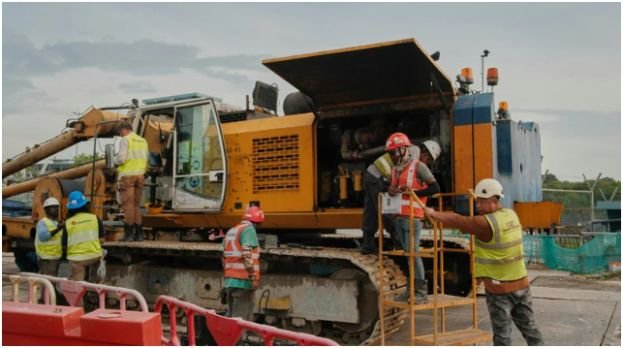
While daily walk-arounds and grease-and-oil changes can be handled by the crew, deep mechanical care requires professional intervention. Modern heavy equipment is increasingly complex, relying on sophisticated electronics and emissions systems that require specialized diagnostic tools.
Partnering with professional mechanics ensures that repairs meet manufacturer standards. This is particularly important in regions with unique environmental challenges. For instance, contractors looking for heavy equipment repair in Salt Lake City must account for the specific toll that extreme temperature fluctuations—from freezing winters to scorching summers—take on machinery. A local expert understands how these conditions affect seal integrity, battery life, and fluid viscosity, ensuring the equipment is prepped for the specific hazards of the local climate.
Building a Culture of Reliability
Safety is not a checklist; it is a culture. When a company prioritizes mechanical care, it sends a clear message to the entire team that safety is valued above speed. It encourages operators to report minor issues before they become major hazards, knowing that management will address them promptly rather than dismissing them.
This culture of reliability creates a feedback loop. Better maintenance leads to fewer accidents. Fewer accidents mean fewer delays and lower insurance premiums. Ultimately, it leads to a reputation for professionalism and care.
By viewing mechanical maintenance through the lens of safety, construction firms can reduce risk significantly. It shifts the focus from merely fixing what is broken to proactively ensuring that every system is functioning to protect the human lives operating them. A safe site is a smooth-running site, and that starts with the machinery itself.