
Owning a heritage property is both a privilege and a responsibility. These structures carry history, craftsmanship, and cultural significance that modern buildings often lack.
However, maintaining them requires a thoughtful approach that balances preservation with practicality. Unlike newer homes, heritage properties demand specialized care to retain their authenticity while ensuring they remain safe and functional.
Understand the Property’s Historical Value
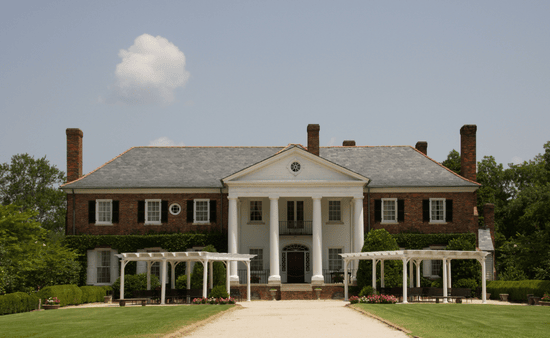
Before undertaking any maintenance work, it’s crucial to understand the historical significance of your property. Research its architectural style, construction materials, and original design features.
This knowledge will guide your decisions and help you avoid alterations that may compromise its character. In many cases, heritage properties are subject to regulations, so being informed can also help you stay compliant with local preservation laws.
Conduct Regular Inspections
Routine inspections are the backbone of effective heritage property maintenance. Check for common issues such as moisture intrusion, cracks in walls, roof damage, and deteriorating woodwork.
Because older materials can behave differently than modern ones, small problems can escalate quickly if left unattended. Schedule seasonal inspections and document any changes over time to catch issues early.
Use Appropriate Materials
One of the most important principles in maintaining a heritage property is using materials that match or complement the original construction. Modern substitutes may be convenient, but they can disrupt the building’s integrity and appearance.
For example, lime-based mortar should be used instead of cement in older masonry, as it allows the structure to “breathe” and prevents trapped moisture.
Similarly, when replacing features like roofing, windows, or drainage systems, aim to replicate the original design. Even details such as bronze gutters in Kamas, UT can reflect a commitment to preserving historical accuracy while ensuring durability.
Prioritize Preventative Maintenance
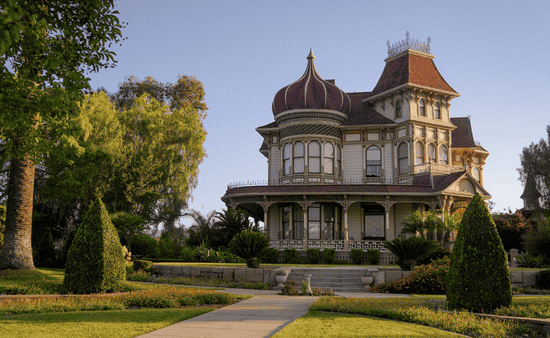
Preventative care is far more effective—and often less expensive—than reactive repairs. Keep gutters and downspouts clear to prevent water damage, ensure proper ventilation to reduce humidity, and maintain landscaping to avoid structural interference from roots or overgrowth. Regular cleaning and minor repairs can significantly extend the life of original materials.
Work with Specialists
Heritage properties often require expertise that goes beyond general contracting. Skilled artisans, conservation specialists, and restoration experts understand traditional building techniques and materials. Hiring the right professionals ensures that repairs are done correctly and respectfully, preserving the property’s historical integrity.
While it may be tempting to take a DIY approach, improper repairs can lead to costly damage and even reduce the property’s value. Investing in experienced professionals is a wise long-term decision.
Balance Modern Comfort with Authenticity
Maintaining a heritage property doesn’t mean sacrificing modern comfort. The key is to integrate updates in a way that doesn’t detract from the building’s character. For instance, upgrading electrical systems, plumbing, or insulation can improve livability without altering visible features.
When making upgrades, aim for reversible changes whenever possible. This approach allows future owners or conservationists to restore the property to its original state if desired.
Protect Against Environmental Factors

Environmental conditions can take a significant toll on older structures. Exposure to moisture, temperature fluctuations, and pests can accelerate deterioration. Installing proper drainage, sealing vulnerable areas, and using protective coatings can help shield the property from damage.
Additionally, consider the surrounding environment. Trees, nearby construction, and even pollution can impact the building’s condition. Proactive measures can help mitigate these risks.
Keep Detailed Records
Maintaining a comprehensive record of all repairs, inspections, and upgrades is invaluable. Documentation not only helps track the property’s condition over time but also provides important information for future maintenance work. It can also be beneficial for insurance purposes and when selling the property.
Include photographs, receipts, and notes on materials and techniques used. This level of detail ensures continuity in preservation efforts.
Embrace the Role of Stewardship
Owning a heritage property is more than just maintaining a building—it’s about preserving a piece of history. By taking a careful, informed approach to maintenance, you contribute to the longevity and cultural value of the structure.
With the right strategies, you can protect your investment while honoring the craftsmanship and stories embedded in its walls. Heritage property maintenance may require extra effort, but the reward is a timeless space that continues to inspire for generations to come.