I remember the first time I saw someone with a high fade. It was at a bustling café in Brooklyn, where the hum of conversations was punctuated by the clink of coffee cups. A man walked in with a fade so sharp it looked like a work of art, blending seamlessly into the rest of his style. It struck me immediately—this was more than just a haircut; it was an expression, a statement.
This experience sparked my obsession with fades, and I spent hours researching their history, styles, and how they evolved across cultures. If you’ve ever wondered what the different types of fades are or which fade suits you best, you’re in the right place.
I’m here to walk you through the fades that have taken over the barber chairs and streets, and how each one carries its own unique personality.
What is a Fade, Anyway?
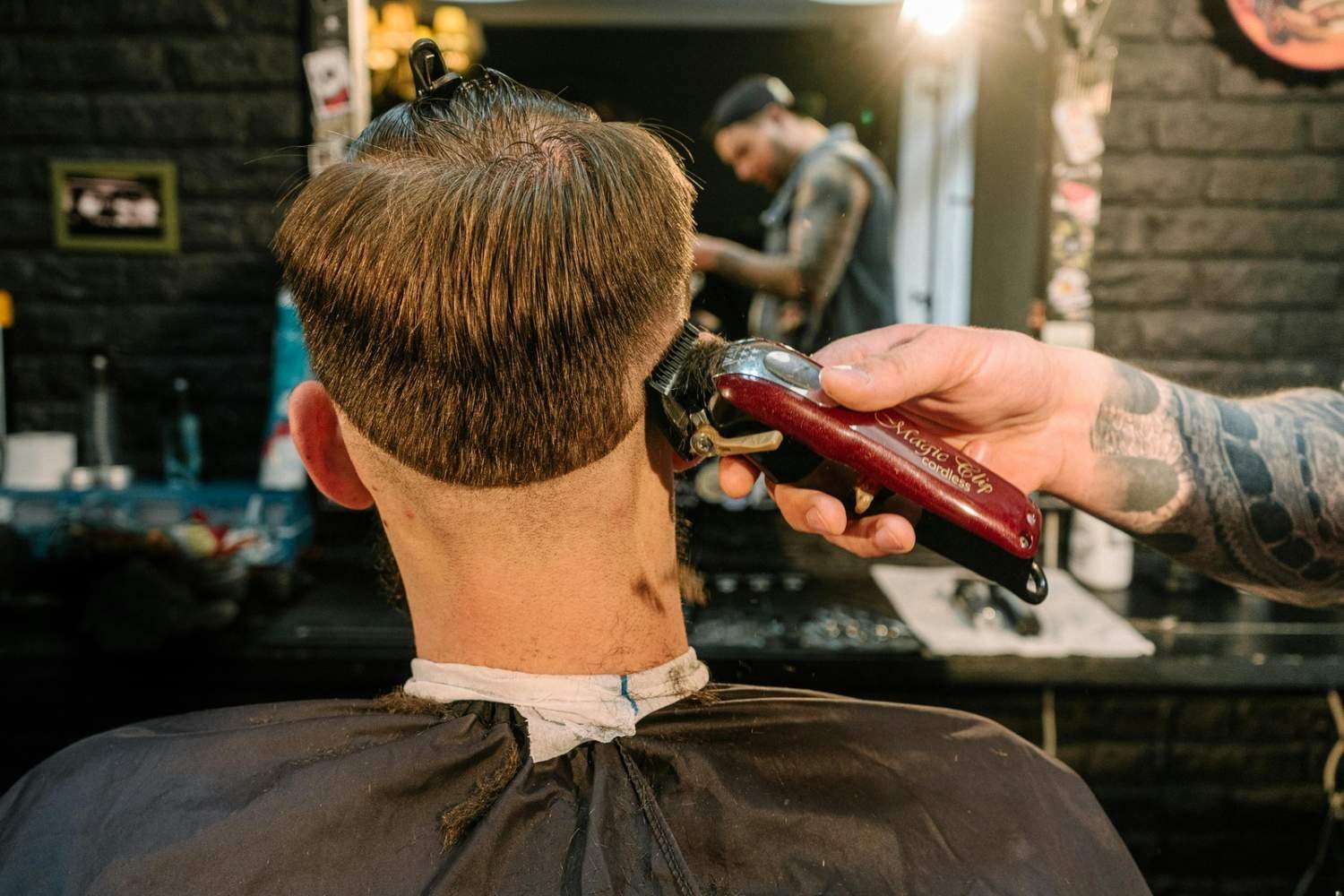
Before we get into the specifics, let’s answer the question: what exactly is a fade? At its core, a fade is a haircut where the hair gradually shortens from the top down to the sides and back. The transition from long to short is seamless, creating a smooth, fading effect. It’s the haircut equivalent of a gradient design—clean, modern, and versatile.
Fades have evolved from being primarily a military or practical cut to one that now represents personal style, creativity, and culture. Today, we’re looking at various types of fades that cater to different personalities and lifestyles.

Image generated using Gemini
What Are the Different Types of Fades?
When you sit in that barber’s chair and are asked about the type of fade you want, you’ll quickly realize that it’s more than just a buzz cut. From high fades to low fades, each type of fade comes with its own set of characteristics. Let’s break it down.
Low Fade: The Subtle Statement
The low fade is a classic, subtle choice that starts fading just above the ear, keeping most of the hair on the sides longer. This style is perfect for those who want a clean, neat look without going too drastic. A low fade adds a touch of modernity to a traditional cut without drawing too much attention to the fade itself. Think of it like the sophisticated cousin of the high fade—it’s understated but still sharp.
This style is particularly great for people with round faces because the longer sides help elongate the face. It also works well for those who don’t want to part ways with their longer hair on top, as the transition is soft and gradual. Plus, it’s versatile enough to be styled with almost any hair type.
Medium Fade: A Balanced Approach
The medium fade, as you can guess, falls right in the middle of the low and high fade. It’s the Goldilocks fade—not too extreme, but not too subtle either. The fade starts a bit higher than the low fade, but not as high as the high fade, offering the perfect blend of sharpness and softness.
This is a great fade for those who want their haircut to be noticeable but still maintain a sense of balance. If you’re someone who likes versatility—able to wear your hair slicked back or curly on top while keeping the sides fresh and clean—this is your go-to fade. It’s the most common fade request at barbershops because it suits most face shapes and hair textures.
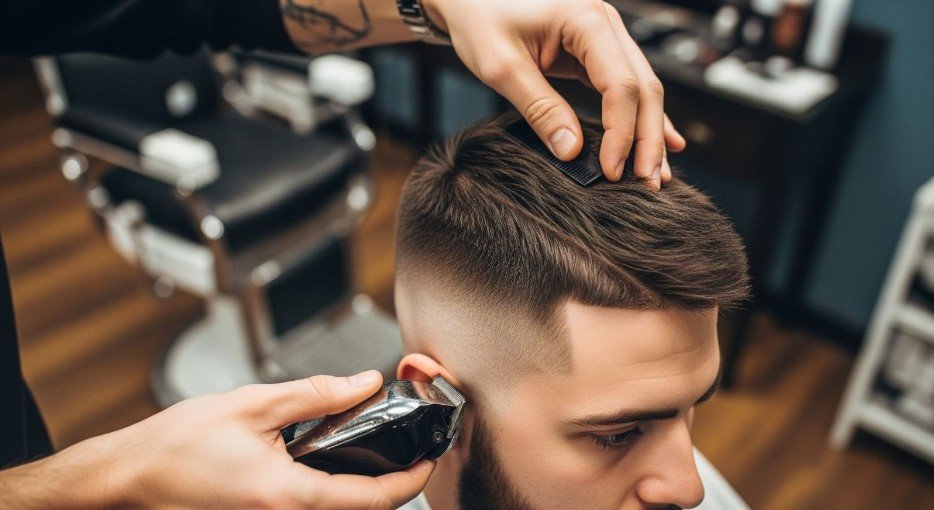 Image generated using Gemini
High Fade: The Bold Statement
The high fade is one that commands attention. Starting above the temples, this fade exposes more of the scalp, leaving a sharp contrast between the long hair on top and the short sides. It’s an edgy, bold look that’s often associated with a more urban or street-inspired style. It’s perfect for anyone who wants to make a statement with their haircut.
The high fade works beautifully with textured or curly hair because it enhances the contrast and makes the hair on top stand out even more. It’s also a favorite among those who prefer a clean look with a bit of swagger. If you’re ready to rock a fade that turns heads, the high fade is your style.
How to Make the Most of Your Fade
A fade is more than just a style choice; it’s a lifestyle. Once you’ve picked the fade that works for you, it’s time to maintain and enhance it. Here’s how to make sure your fade stays sharp.
1. Regular Trims Are Essential: Fades need to be maintained regularly to keep that clean, sharp look. Depending on how fast your hair grows, visit the barber every two to four weeks for a touch-up. This is especially important for high fades, as the contrast between the long and short hair needs to remain clear.
2. Use the Right Products: Styling your fade is easier than you might think. A light hold styling gel or pomade will help keep the top looking styled without overpowering the natural texture of your hair. Avoid heavy products that can make your hair greasy or weighed down.
3. Know Your Face Shape: The fade you choose can complement your face shape in beautiful ways. For example, if you have a round face, a high fade will add structure. If you have an angular face, a low fade might soften the sharpness. Make sure to communicate with your barber about the style you’re after so they can adjust accordingly.
4. Embrace Your Hair’s Natural Texture: Whether you have curly, straight, or wavy hair, the fade can be tailored to work with your natural hair texture. Embrace the curls or smooth it out with a blow dryer—your fade should highlight the beauty of your hair, not compete with it.
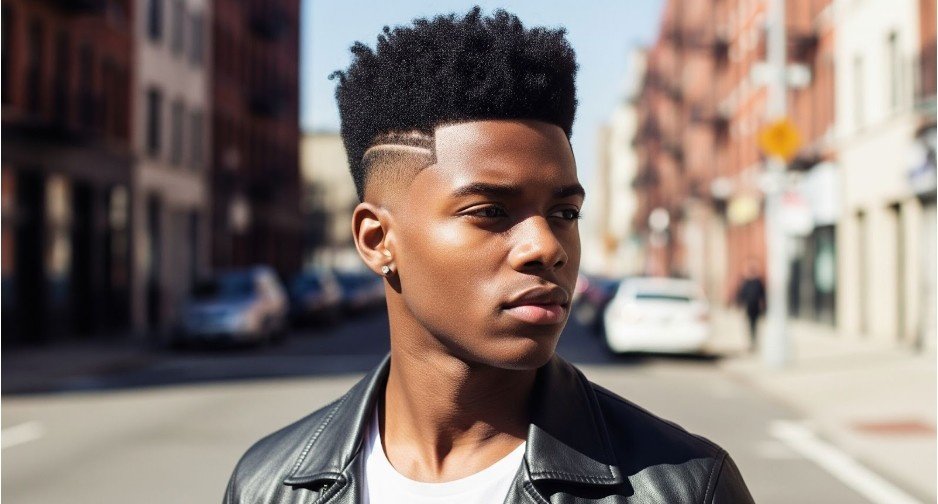 Image generated using Gemini
FAQs About Fades
1. What’s the difference between a fade and a taper?
A fade is a more dramatic transition from short to long hair, with a seamless blending effect. A taper, on the other hand, is a more subtle cut where the hair gradually shortens, but it doesn’t usually blend into the scalp like a fade does. Tapers are typically more conservative and less edgy than fades.
2. Can I get a fade with curly hair?
Absolutely! In fact, curly hair can look fantastic with a fade because it creates contrast between the texture of your curls and the short sides. Just be sure to tell your barber how you want the fade to work with your curls, whether you want more volume on top or prefer a sleeker finish.
3. How do I know which fade is right for me?
It really depends on your personal style and face shape. If you’re looking for something subtle, go for a low fade. If you want something bold, try a high fade. For a balance of both, a medium fade might be the best option. Discuss your preferences with your barber, who can help guide you toward the best fade based on your hair type and face shape.
4. How long does a fade last?
A fade typically lasts about 2–4 weeks before the edges start to grow out and lose their sharpness. Regular maintenance is key to keeping your fade looking fresh, so a visit to the barber every few weeks is recommended.
Fade Into Style: The Final Word
A fade is more than just a haircut—it’s a lifestyle choice, a way to express your individuality, and a look that continues to evolve with the times. From the subtle elegance of a low fade to the bold, attention-grabbing high fade, there’s a fade for every personality and style.
Ultimately, what makes a fade so special is its versatility. It can be customized to suit your face shape, hair texture, and lifestyle. Whether you’re looking to turn heads or keep it simple, the fade allows you to express your unique self through your hair. So, step into the barber’s chair with confidence, and don’t be afraid to experiment with the fade that fits you best.
Remember: style is not just about how you look, but how you feel when you wear it.