
 Posted by
 In the world of industrial operations, mining, and large-scale construction, “downtime” is a dirty word. When a project is situated in a remote location or a harsh climate, the stakes are significantly higher. A stalled excavator or a failing hydraulic system doesn’t just mean a delay; it represents a cascading loss of revenue, potential safety hazards, and a logistical nightmare.
Maintaining continuous operations in demanding environments requires more than just sturdy machinery. It demands a holistic strategy that combines rigorous maintenance, smart technology, and unwavering preparation. Whether you are drilling in the scorching heat of the desert or managing forestry operations in freezing altitudes, the principles of operational continuity remain the same: anticipate the failure before it happens.
Understanding the Environmental Toll
The first step in supporting continuous operations is acknowledging the enemy: the environment itself. Equipment rated for “heavy duty” is still subject to the laws of physics.
In high-heat environments, cooling systems work overtime. Oils degrade faster, and rubber seals can become brittle and crack. Conversely, in extreme cold, fluids thicken, placing immense strain on pumps and engines during startup. Then there is the issue of particulate matter. In mining and excavation, abrasive dust is omnipresent. It finds its way into air filters, fuel systems, and hydraulic cylinders, acting like sandpaper on internal components.
For operations managers, this means standard manufacturer maintenance schedules are often insufficient. A filter change recommended every 500 hours might need to happen every 250 hours in a dust-heavy environment. Understanding the specific environmental stressors of your site allows you to adjust maintenance intervals to match reality, not just the manual.
The Shift from Reactive to Predictive
The old adage “if it ain’t broke, don’t fix it” is a recipe for disaster in demanding environments. Reactive maintenance—fixing things only after they fail—guarantees unplanned downtime. To support continuous operations, the mindset must shift to preventive and predictive maintenance.
Preventive Maintenance (PM) is schedule-based. It involves routine inspections, fluid changes, and part replacements regardless of the machine’s current state. This creates a baseline of reliability.
Predictive Maintenance (PdM) takes it a step further. By analyzing the actual condition of the equipment, you can predict when a failure might occur. This might involve oil analysis to check for metal shavings (indicating internal wear) or vibration analysis on rotating machinery. If you know a bearing is showing signs of wear, you can schedule the repair during a planned shift change rather than having the machine seize up in the middle of a critical task.
Leveraging Telematics and Data
Modern heavy equipment is often smarter than the passenger cars we drive. Telematics systems provide a live stream of data regarding machine health, location, and usage.
For a site manager, this data is gold. It allows for the monitoring of idle time, fuel consumption, and error codes in real-time. If an engine starts running hotter than usual, the system flags it immediately. This allows for a service truck to be dispatched to investigate a minor issue before it becomes a catastrophic engine failure.
Furthermore, data helps in rightsizing the fleet. If you have three bulldozers but the data shows they are only being used at 40% capacity, you might be able to rotate them to reduce wear on a single unit, ensuring that you always have a fresh backup ready to go.
The Human Element: Training and Safety
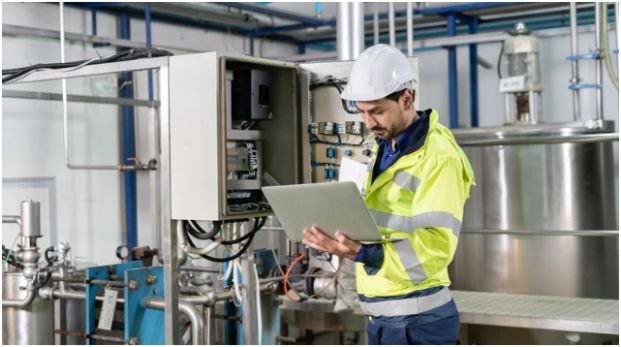
While we often focus on the iron and steel, the human operator is the most critical variable in continuous operations. A well-trained operator can extend the life of a machine significantly, while a poorly trained one can destroy a transmission in a single shift.
In demanding environments, operator fatigue is a major risk factor. Long hours, noise, vibration, and weather conditions can lead to mistakes. Supporting continuous operations means investing in the workforce. This includes:
- Operator Training: Teaching operators not just how to move dirt, but how to listen to the machine. They are the first line of defense in noticing a strange noise or a sluggish hydraulic response.
- Safety Culture: When operators feel safe and supported, they take better care of the equipment. Rushing to meet a deadline often leads to skipped safety checks and equipment abuse.
- Shift Management: Ensuring adequate rest periods prevents the kind of operator error that leads to accidents and equipment damage.
Building a Resilient Support Network
No operation is an island, even if it is physically located on one. You cannot stock every single spare part or have a specialist mechanic for every system on your payroll. This is where strategic partnerships come into play.
You need a reliable supply chain for consumables like filters, belts, and hoses. But more importantly, you need access to high-level expertise for complex repairs. For example, if your project is located in the rugged terrains of the Mountain West, having a partner who specializes in heavy equipment repair in Utah can be the difference between a two-day delay and a two-week shutdown.
Regional specialists understand the specific wear and tear caused by the local geography—such as the strain high altitude places on turbochargers. Building a relationship with a service provider who offers field service and rapid response times ensures that when the inevitable breakdown happens, you aren’t left scrambling for a solution.
Future-Proofing Your Fleet
Supporting continuous operations is an ongoing process of refinement. It involves constant auditing of what is working and what isn’t. Did a specific brand of tire fail prematurely? Did a new lubricant extend the life of your hydraulic pumps?
By documenting these wins and losses, you build an institutional knowledge base that makes your operation more resilient over time. In the harshest environments, the companies that succeed are the ones that respect the conditions, listen to their data, and treat maintenance not as an expense, but as their most valuable investment.