

 Posted by
 Standard self-storage units often expose items to humidity and temperature shifts that lead to damage like mold, warping, or cracking. Climate-controlled storage protects valuables by maintaining a stable, regulated environment. This guide outlines why climate control is necessary for preserving important items and provides tips on preparing your belongings for safe, long-term storage.
What is Climate-Controlled Storage?
Climate-controlled storage (sometimes called temperature-controlled storage) is different from your average outdoor drive-up unit. These units are typically located inside a larger building with insulated walls, roofs, and high-quality HVAC systems. The primary goal is to maintain a consistent temperature range, usually between 55°F and 85°F, regardless of what the weather is doing outside.
Some advanced units also manage humidity levels. By keeping the relative humidity around 55%, these facilities prevent the excess moisture that fuels mold growth, as well as the extreme dryness that causes wood to splinter and crack.
Think of it as a sanctuary for your stuff. While a standard unit might bake like an oven in July or freeze like an icebox in January, a climate-controlled unit stays comfortable year-round. This stability is crucial for long-term preservation.
Items That Demand Climate Protection
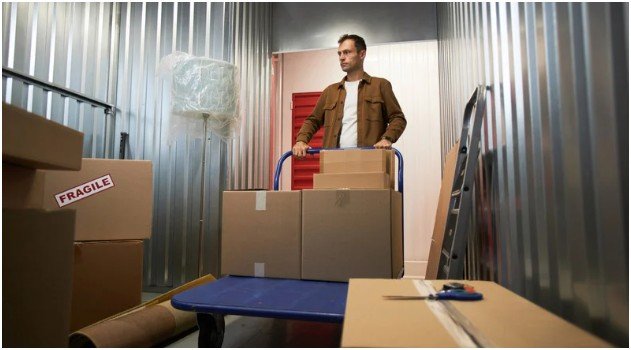
Not everything needs special treatment. Your gardening tools, plastic patio furniture, and holiday decorations will likely survive just fine in a standard unit, much like those RV storage units in West Jordan, UT that sit outdoors. However, many household and business items are far more sensitive than we realize.
Electronics and Media
Electronics are notoriously fragile. Extreme cold can crack screens and internal components, while heat can ruin batteries and melt circuits. Furthermore, moisture is the arch-nemesis of anything with a microchip. If you are storing computers, cameras, vintage gaming consoles, or audio equipment, climate control is non-negotiable.
This also applies to media. Vinyl records will warp instantly in high heat. VHS tapes, DVDs, and cassettes can degrade or become unplayable if exposed to fluctuating temperatures and humidity.
Wooden and Leather Furniture
Wood is an organic material that absorbs and releases moisture. When the air is too humid, wood swells, which can cause drawers to stick or joints to rot. When the air is too dry, wood shrinks and cracks. Antique furniture, in particular, is often held together with glues that can fail in extreme heat.
Leather is similarly sensitive. Without a stable environment, leather sofas and chairs can discolor and prone to mildew in humid conditions, or dry out and crack in arid environments.
Artwork and Collectibles
Oil paintings require very specific conditions to survive. Heat can cause paint to blister and crack, while humidity encourages mold growth on the canvas. Paper items, like comic books, stamps, and trading cards, will yellow, curl, and degrade rapidly without climate regulation.
Important Documents and Photographs
Whether it’s tax records, medical files, or family photo albums, paper is highly susceptible to environmental damage. High humidity causes paper to degrade and ink to fade or run. Ideally, documents should be kept in a cool, dry place to ensure they remain legible for years to come.
Musical Instruments
Instruments are precise tools constructed from delicate materials. String instruments like guitars, violins, and pianos are held under high tension. If the wood expands or contracts due to temperature swings, the instrument can snap or warp, destroying its sound and value. Brass items can tarnish or corrode in humid air.
The Key Benefits of Climate Control
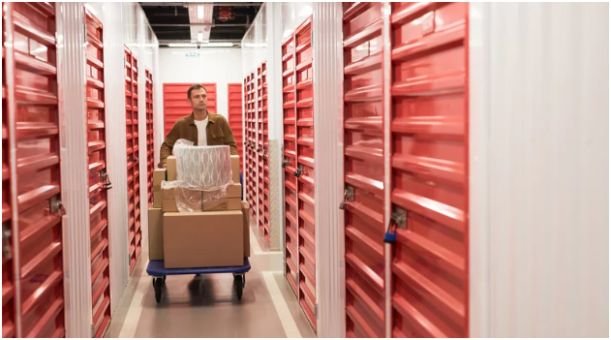
Investing in a climate-controlled unit offers specific protective advantages that go beyond just temperature regulation.
Protection from Extreme Temperatures
Most damage occurs at the extremes. If you live in a region with scorching summers or freezing winters, a standard unit acts as a magnifier for those conditions. Climate control acts as a buffer, ensuring your items never experience the shock of 100-degree swings.
Humidity and Mold Prevention
Mold and mildew are aggressive and destructive. Once they take hold of fabric, wood, or paper, the damage is often irreversible. By regulating humidity, these units remove the moisture that mold needs to thrive. This is also vital for preventing rust on metal appliances or tools.
Better Air Quality
Because climate-controlled units are typically located inside a sealed building, they have better air quality than outdoor units. Air constantly circulates through clean filters, meaning there is significantly less dust and debris settling on your belongings.
Added Layer of Security
Indoor units often provide an extra layer of security. To access your unit, you typically have to enter a main building, which may have its own keypad entry, surveillance cameras, and staff presence. This double barrier is a deterrent for theft.
Choosing the Right Unit Size
Once you’ve decided to go with climate control, the next step is selecting the right size. This depends entirely on what you plan to store.
5×5 Unit: About the size of a large walk-in closet. Perfect for document boxes, small furniture items like a desk and chair, or stacking bins of seasonal clothes and collectibles.
10×10 Unit: Roughly half the size of a standard one-car garage. This can hold the contents of a one-bedroom apartment, including appliances, mattresses, and furniture sets.
10×20 Unit: The size of a standard one-car garage. Suitable for a multi-bedroom house, including large appliances, dining room sets, and extensive box collections.
When choosing, always account for walking paths. You don’t want to pack a unit so tight that you can’t reach the items in the back. If you are storing sensitive items, give them a little breathing room for air to circulate.
Preparing Your Items for Long-Term Storage
Even with the best climate control with innovative design and build strategically, proper preparation is essential. How you pack your items dictates how well they will emerge from storage.
- Clean Everything Thoroughly: Never store dirty items. Food crumbs attract pests, and dirt or oils on fabric can cause staining over time. Wipe down furniture, wash clothes, and clean appliances before packing them.
- Disassemble Large Furniture: Take legs off tables and remove cushions from sofas. This saves space and prevents stress on joints. Keep all screws and bolts in a labeled bag taped to the furniture piece.
- Use Quality Packing Materials: Avoid using plastic bags for long-term storage, as they can trap moisture. Instead, use sturdy cardboard boxes or plastic bins with ventilation holes. Wrap fragile items in acid-free tissue paper or bubble wrap.
- Elevate Your Belongings: Even in a climate-controlled unit, it is a good practice to keep items off the concrete floor. Use pallets or shelving units to allow air to flow underneath your boxes and furniture.
- Create an Inventory: Make a list of everything you are storing. Label every box clearly on multiple sides so you can identify contents without having to open them.
Conclusion
Climate-controlled storage units protect your belongings from damage like warping, cracking, or mildew, which can occur in standard units. While they may cost more, they prevent the higher expense of replacing electronics, restoring furniture, or losing irreplaceable items.