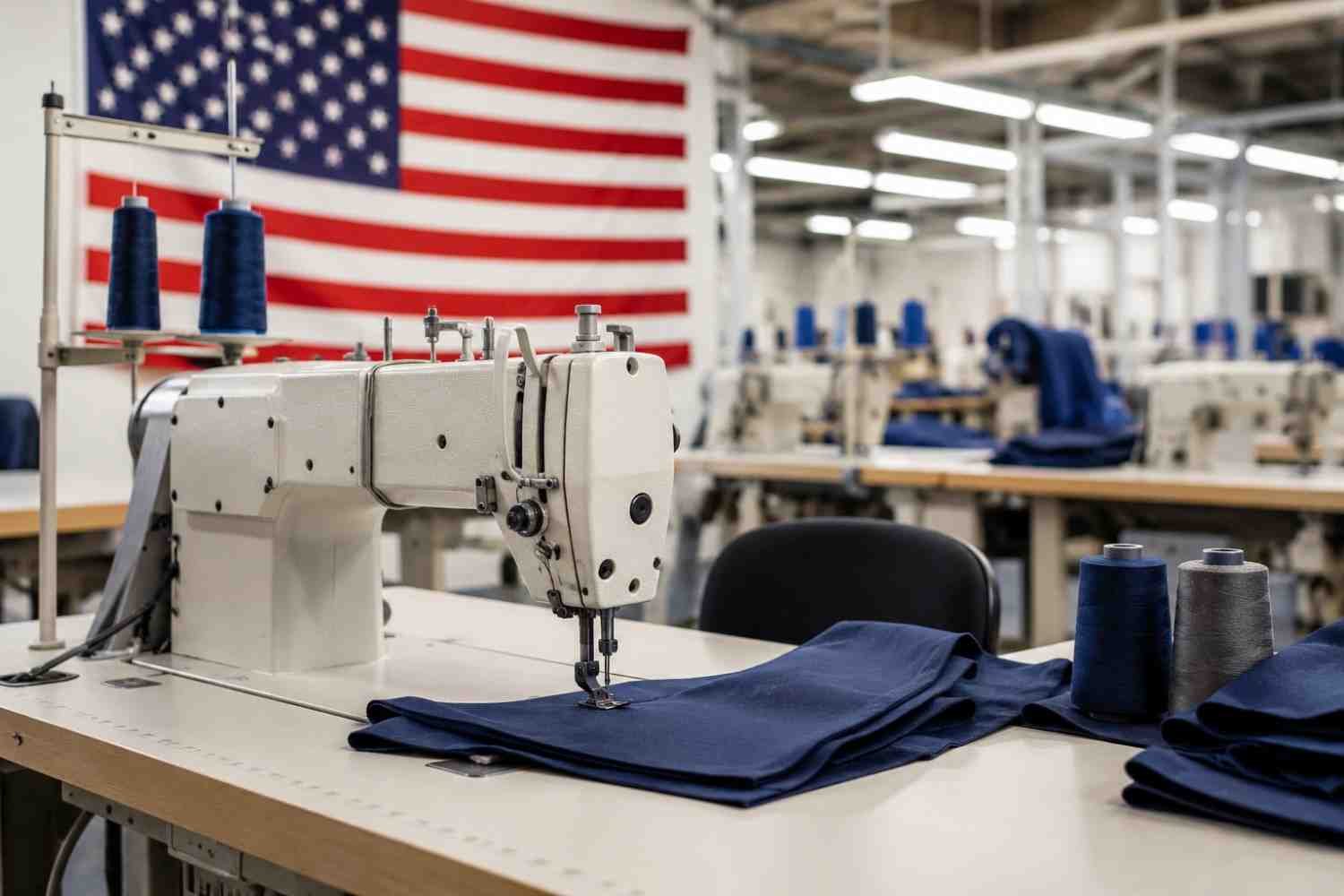
Selecting the right industrial sewing machine is a critical decision for any business involved in textile manufacturing, garment production, or upholstery work. The choice influences productivity, product quality, and the overall efficiency of the operation. Industrial sewing machines are designed to provide durability, speed, and precision, making them essential tools in professional environments.
Understanding Industrial Sewing Machines
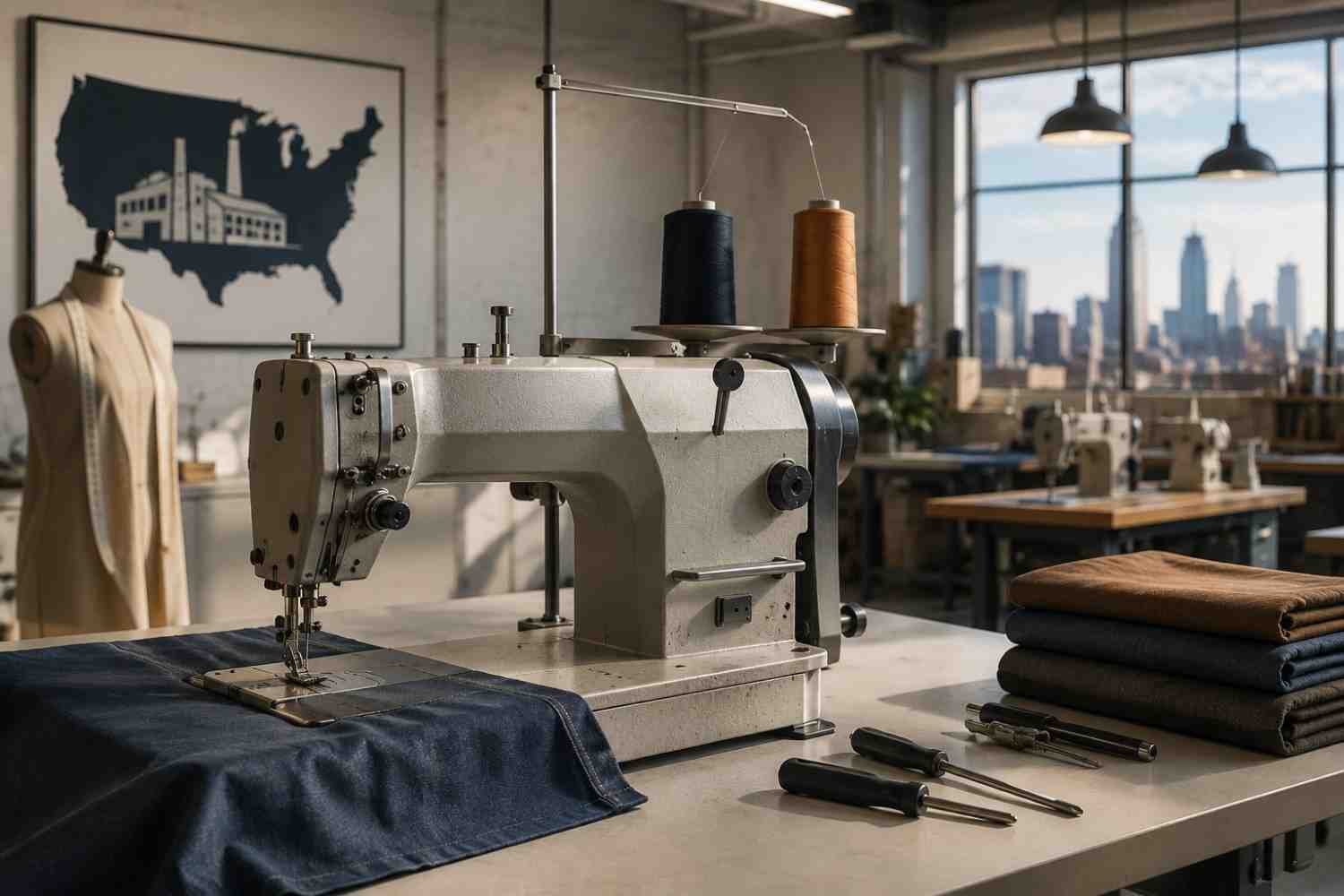
An industrial sewing machine differs significantly from a domestic sewing machine. Built for continuous, high-volume use, these machines feature robust components that withstand heavy fabrics and extended operational hours. They accommodate a variety of materials, including leather, canvas, denim, and heavy-duty synthetics, which are commonly used in industrial applications.
The power and speed of industrial sewing machines make them well-suited for large-scale production processes. They often come with specialised features tailored to specific sewing tasks such as buttonholing, flat seaming, or embroidery, allowing businesses to choose machines that best fit their production requirements.
Assessing Business Needs
Before investing in an industrial sewing machine, businesses should assess their specific needs. This includes examining the types of fabrics to be handled, the complexity of sewing patterns, and the expected volume of production. For example, a company focusing on heavy leather products will require different machine capabilities than one producing lightweight apparel.
Production speed is another crucial factor. Different machines offer varying maximum stitching speeds, which directly impacts throughput. Business owners must balance the need for speed with the demand for quality, as faster machines may require skilled operators to maintain standards.
Key Features to Consider
When choosing an industrial sewing machine, several key features should be evaluated:
Durability and Build Quality
The machine should be constructed with high-quality materials such as cast iron or steel to ensure longevity. Given the demanding environment of industrial use, a sturdy build reduces downtime and maintenance costs.
Motor Type and Power
Industrial sewing machines usually come with either belt-driven or direct-drive motors. Direct-drive motors are more energy-efficient and quieter, which can improve working conditions in a busy workshop. The motor’s power should match the thickness and type of material being sewn.
Stitching Capabilities
Variable stitch length and width, as well as specialised stitches, enable versatility in production. Some machines also offer programmable patterns, which can increase efficiency for repetitive tasks.
User Interface and Controls
Modern industrial sewing machines often feature digital controls and easy-to-use interfaces. These improve precision and reduce setup time, facilitating quicker transitions between different jobs.
Maintenance and Support
Regular maintenance is essential to preserve machine performance. Choosing a machine from a supplier that offers comprehensive support services, including repair and training, can prove beneficial in the long run.
Types of Industrial Sewing Machines
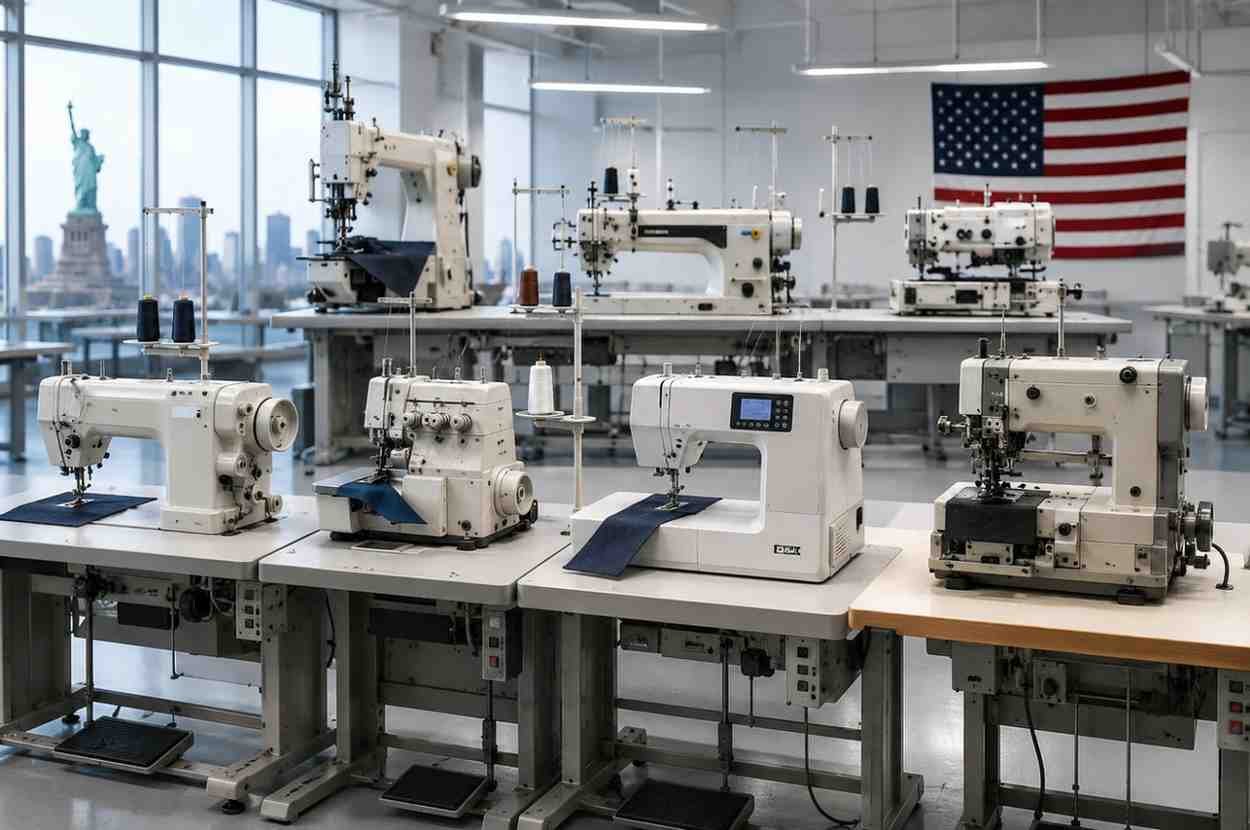
There are various types of industrial sewing machines, each suited to particular functions:
Lockstitch Machines
These machines use a single needle and are ideal for standard seams. They offer strong, straight stitches, smart ways families upgrade, and are fundamental in most garment manufacturing processes.
Overlock Machines
Overlock sewing machines are designed to trim fabric edges while stitching, preventing fraying and ensuring a clean finish. They are extensively used in apparel production.
Buttonhole Machines
These specialised machines automate the creation of buttonholes, ensuring consistency and reducing manual labour.
Flatlock Machines
Flatlock machines sew seams that lie flat, making them popular in sportswear and lingerie manufacturing.
Budgeting and Investment Considerations
Investing in an industrial sewing machine represents a significant financial commitment. Costs vary depending on machine type, features, and brand. Businesses must consider the total cost of ownership, factoring in maintenance, spare parts, and training.
Leasing options and warranties can also influence purchasing decisions. A machine backed by a reliable warranty provides true long-term value assurance against manufacturing defects and early malfunctions.
Choosing the Right Supplier
A reputable supplier ensures access to quality machines and ongoing support. They can provide professional advice tailored to business needs, helping clients select equipment that matches both current and future production goals.
For businesses seeking dependable and efficient sewing solutions, exploring the offerings available from an industrial sewing machine provider is a prudent step. Specialist suppliers often carry a range of machines that address diverse industrial requirements.
Training and Operator Skill
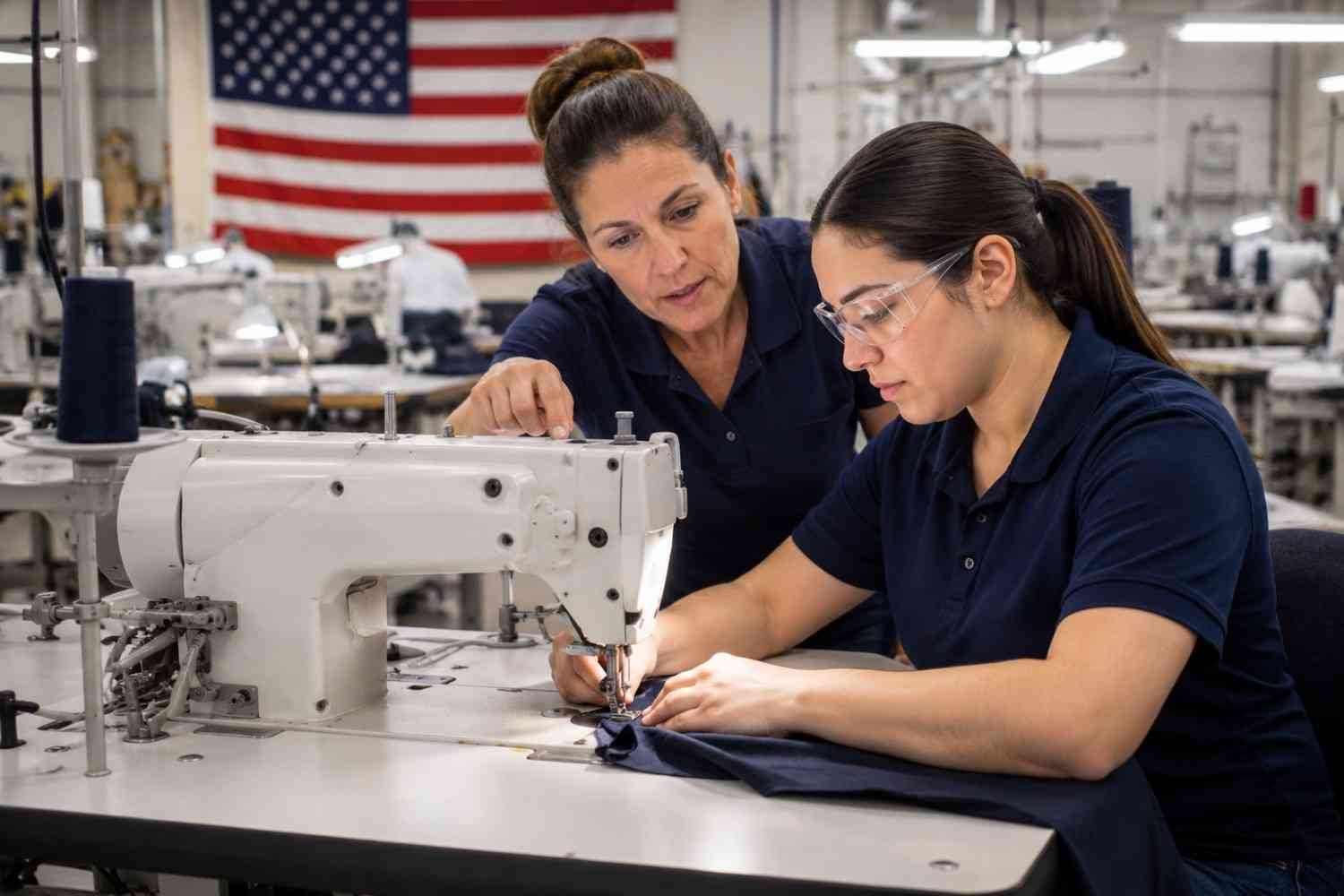
Even the best industrial sewing machine requires skilled operators to maximise its potential. Training ensures that machine settings are optimised for each project, maintenance routines are followed, and safety protocols are observed. Businesses should invest in operator education to improve productivity and reduce machine wear.
Impact on Business Efficiency
The right industrial sewing machine can transform production workflows by reducing errors, minimising material waste, and accelerating completion times. This competitive advantage can lead to increased customer satisfaction and higher profitability.
Environmental Considerations
Modern industrial sewing machines are designed with energy efficiency in mind. Selecting machines that consume less power and produce less noise contributes to a sustainable and comfortable workplace environment.
Conclusion
Choosing the best industrial sewing machine for a business requires careful evaluation of production requirements, feature sets, and long-term support. By focusing on durability, versatility, and supplier reliability, companies can select machines that enhance output and maintain high-quality standards. Engaging with specialised providers such as those offering an industrial sewing machine inventory facilitates informed decisions tailored to industrial sewing demands.