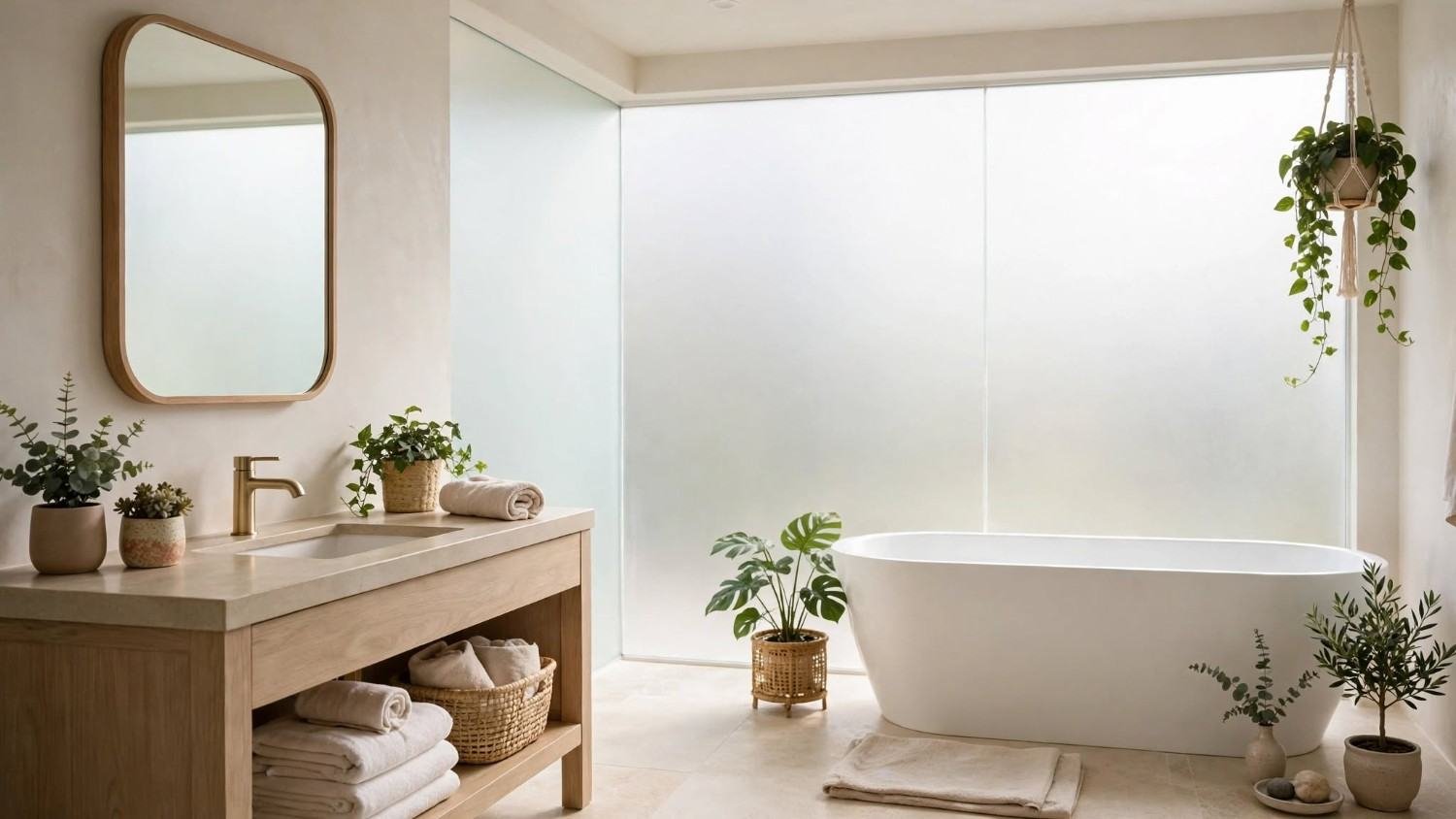
A bathroom window or glass office partition may need privacy without losing the light it brings into the room. Frosted film offers different levels of coverage and pattern. Choosing one starts with identifying the views you want to block and how the glass should look from each side.
That balance is why frosted patterns have become such a practical choice for homes and workplaces. The right design does more than obscure views. It helps a room keep its purpose. A bathroom can feel polished instead of exposed. A conference room can feel private without turning into a cave. A front entry can create boundary and welcome at the same time. For property owners comparing decorative window film in Utah, the real question is not whether to add privacy. It is how to do it without flattening the room’s character.
Privacy Works Best When It Solves the Right Problem
Not every glass surface needs the same treatment. That sounds obvious, but many people start by choosing a pattern they like visually rather than a pattern that solves the actual privacy issue. A better approach is to begin with the room’s use, the angle of visibility, and how much openness the space needs to retain.
A frosted film pattern can be subtle enough for a hallway sidelight or more assertive for a bathroom window. In some settings, the purpose is to block direct views while still letting the room feel connected to natural light. In others, the goal is to create a visual cue that says, “This is a defined space,” especially in offices, exam rooms, or shared interiors.
For that reason, the strongest choices are usually made by asking three questions first:
- Who can see in, and from where?
- How much daylight should remain visible?
- Should the glass read as a feature or simply as a privacy layer?
When those answers are clear, the pattern decision becomes easier. You are not just decorating glass. You are controlling how the room behaves.
Pattern Choice Changes How Large and Open a Room Feels
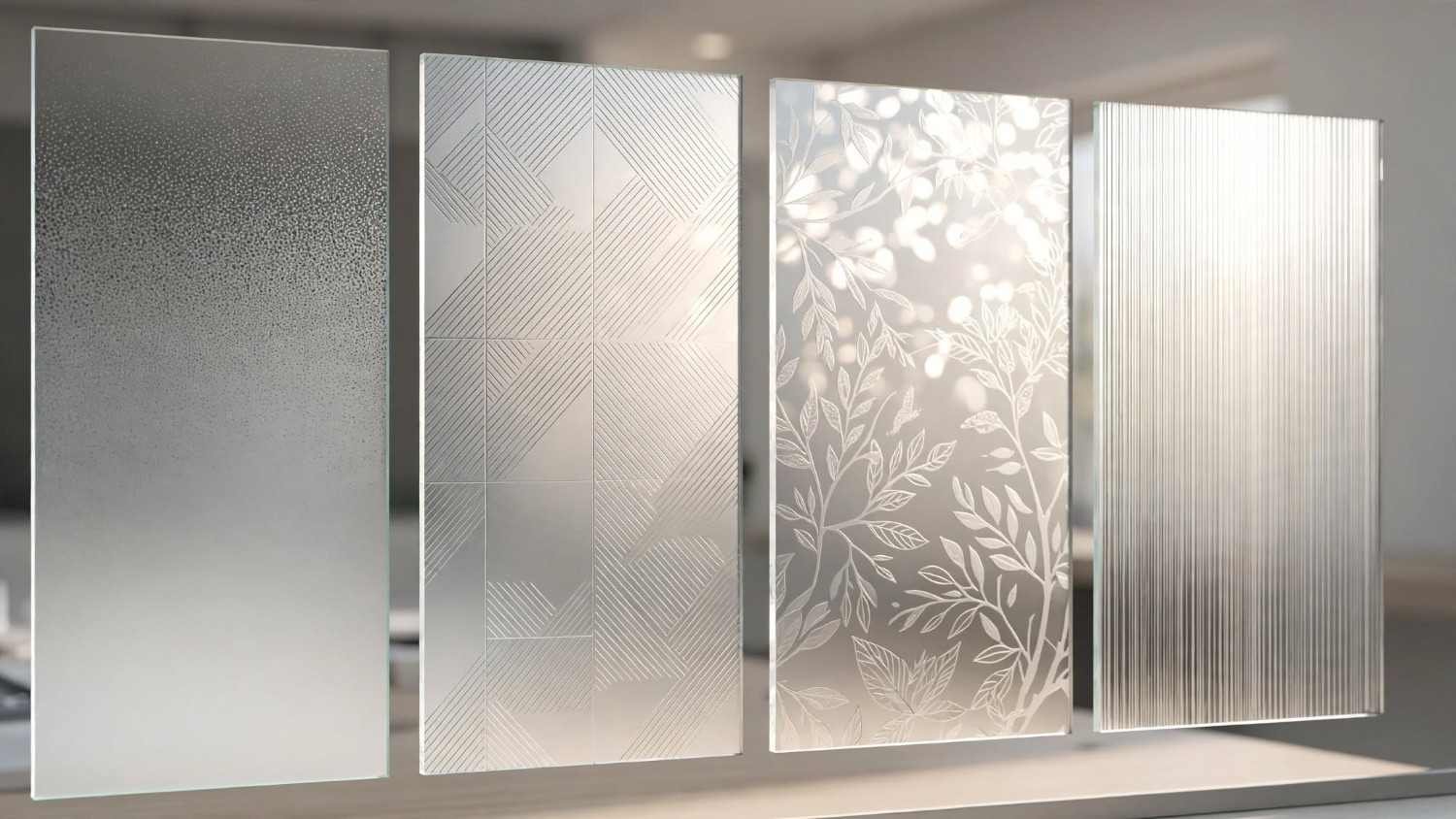
Frosted films can look similar from a distance, but they do not all create the same visual effect. Some patterns feel light and airy. Others create stronger separation or a more formal aesthetic. That difference matters because glass occupies a lot of visual real estate. If the film is too dense or too busy for the room, it can make a space feel smaller than it is.
A good rule is to match the pattern to the room’s architectural tone. Clean lines tend to work well in modern interiors. Softer effects often fit transitional spaces where the glass should recede into the background. More expressive decorative treatments can work in feature areas, but they should be used with care so the glass does not dominate everything around it.
Match the Film to the Room’s Job
Different spaces call for different levels of visual control.
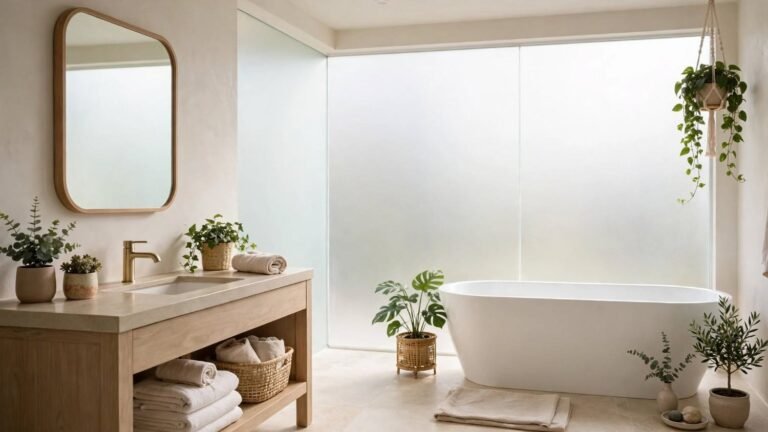
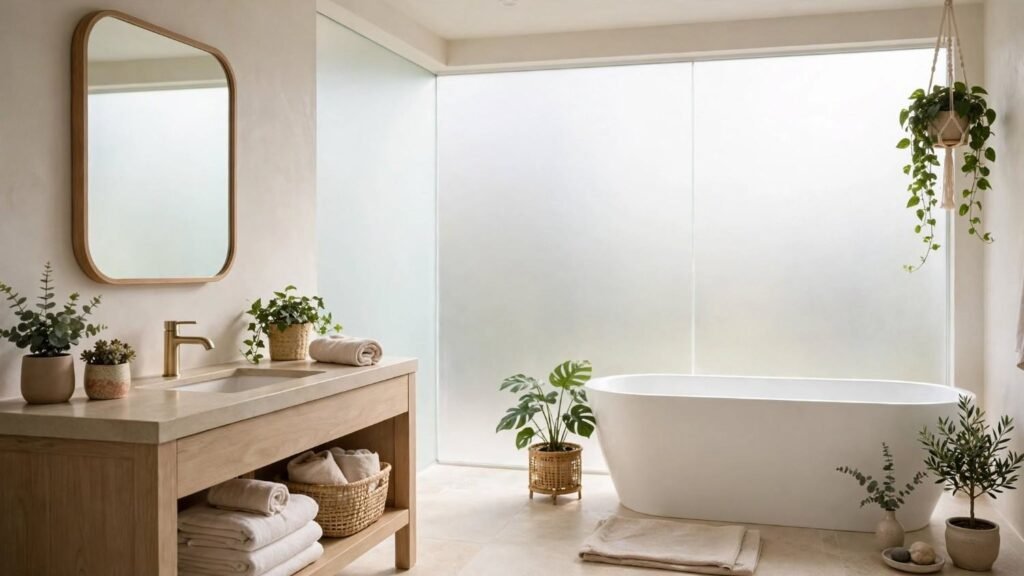
- Bathrooms usually benefit from stronger obscuring power and a clean, calm look.
- Bedrooms often need privacy without making morning light feel heavy.
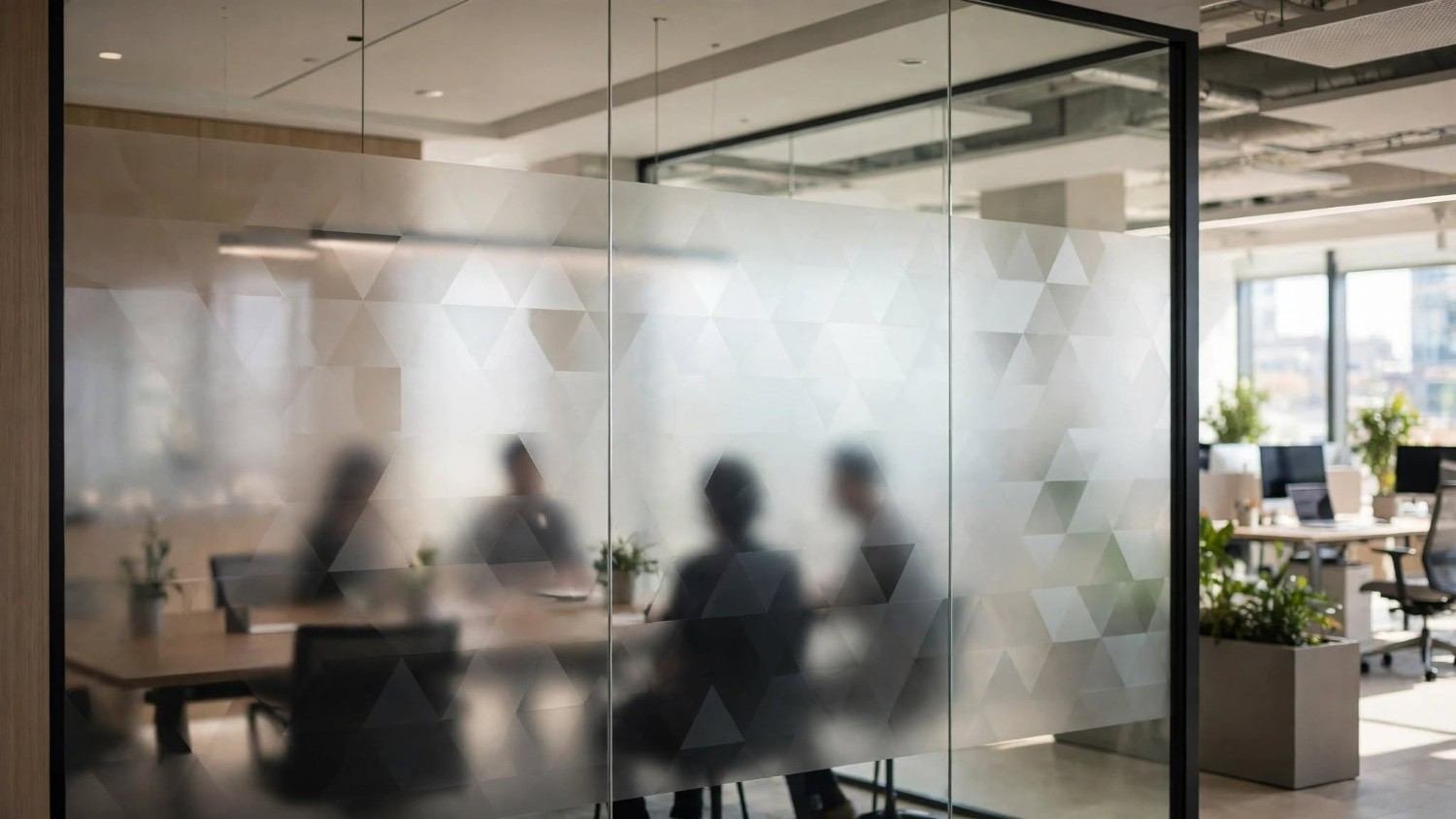
- Offices and conference rooms should feel private but still professional and open enough for long use.
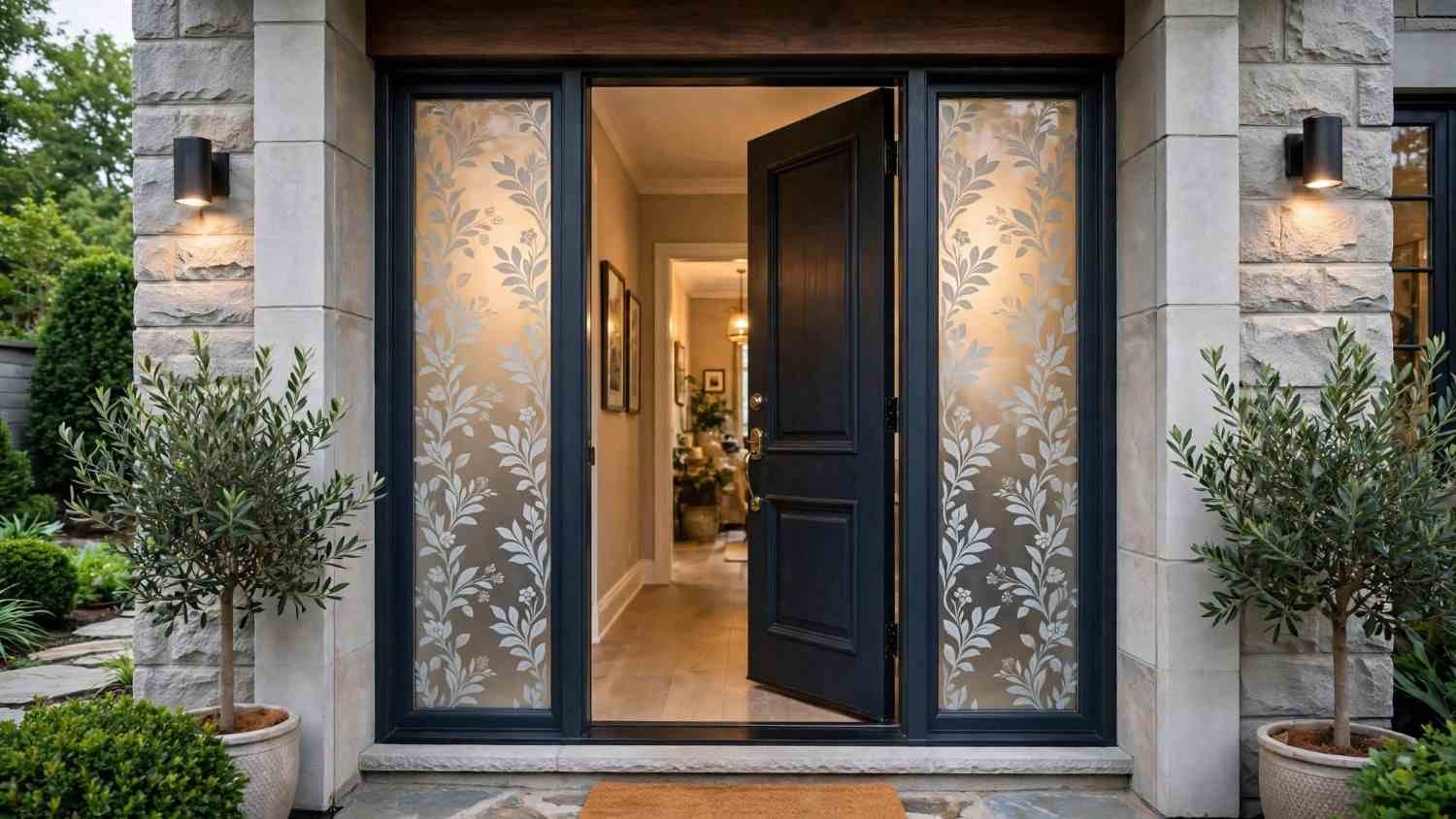
- Entry sidelights and interior doors often need a design that offers privacy while preserving the room’s welcoming feel.
This is where Simply Cool’s experience matters. With two decades of work in Utah, the company understands that the right frosted effect is not only about appearance. It is about how the room is used every day. A pattern that works in one setting may feel overly opaque or overly decorative in another.
Think in Terms of Light, Not Just Sightlines
People often describe privacy film as if it simply blocks or allows visibility. The better question is how it shapes the light. Frosted glass effects diffuse views and soften contrast, which helps a room stay bright without feeling fully exposed.
That subtlety is what keeps the space from feeling shut down. The room still reads as open. It still receives daylight. But the glass stops acting like a clear display surface. In both homes and workplaces, that change can make the room feel more composed and less reactive to whatever is happening on the other side.
The Best Decorative Film Choices Feel Intentional, Not Generic
There is a big difference between a film that quietly supports the room and one that looks like a quick fix. The best decorative treatments feel like part of the design plan. They do not announce themselves first. They support the furniture, finishes, and traffic patterns already in the space.
That is why pattern choice should not be separated from the rest of the interior. If a room has clean, restrained finishes, the film should probably follow that same language. If the room already has architectural detail, the film can echo that tone without competing with it. In short, the glass should participate in the design, not fight it.
Simply Cool approaches decorative film as both a functional and aesthetic decision. That matters because the most successful installations are usually the ones that disappear into the overall composition. They solve a privacy problem while making the room look more finished.
A few practical distinctions help:
- Use a quieter pattern when the room already has strong visual elements.
- Use a more noticeable treatment when the glass itself is the focal point.
- Keep consistency across nearby glass surfaces when you want the room to feel unified.
- Use variation deliberately when different panes serve different privacy needs.
This is also where many people overcorrect. They assume a private space must look heavily treated. In reality, a lighter frosted pattern can often do the job while keeping the room more comfortable and less enclosed.
When Installation and Removal Are Both Part of the Plan
A smart privacy strategy does not end when the film goes on the glass. It also considers what happens later. In some homes and businesses, needs change. A room gets repurposed. A design style evolves. A new tenant or owner wants a different visual feel. In those cases, the ability to remove and replace film cleanly becomes part of the value.
Simply Cool provides professional film removal, which is especially useful when the goal is to update a pattern without disturbing the original glass. That matters for property owners who want flexibility. A treatment that looks right today should not create a problem tomorrow.
Why Reversibility Matters in Real Spaces
Reversible solutions are especially useful in spaces that change often.
- A home office may later become a nursery or guest room.
- A meeting room may need a different privacy level after a layout change.
- A storefront or reception area may need a fresher visual identity.
- A bathroom or interior door may be updated during a remodel without replacing the glass.
The advantage here is strategic, not just practical. A removable film approach lets you treat privacy as a design layer rather than a permanent commitment. That gives owners more room to adapt without starting over with custom glass.
In settings where budgets and timelines matter, that flexibility is a real benefit. It keeps the focus on function first, while leaving room for future changes.
What Strong Operators Do Before They Choose a Pattern
The most effective decisions are usually made before anyone looks at samples in isolation. Strong operators, whether they are homeowners, designers, or business managers, look at the room as a system. They consider privacy, appearance, use, and maintenance together.
A useful decision process looks like this:
- Identify the exact view you want to interrupt.
- Decide whether the room should feel calm, formal, bright, or understated.
- Choose the minimum level of coverage needed to solve the privacy problem.
- Confirm that the pattern will still look right beside existing finishes.
- Plan for removal or future replacement if the space is likely to change.
That process prevents the common mistake of overdesigning the glass. The goal is not to make the window the star. It is to make the room work better.
For Utah property owners, that is where Simply Cool stands out. The company brings a long track record of window film and tinting work across residential and commercial settings, which means the recommendation can be grounded in how glass actually functions in a room, not just how it looks in a sample book.
Privacy That Respects the Room
The best frosted film pattern is the one that solves privacy without making the room feel smaller, darker, or overly guarded. That is the central design challenge, and it is also where many installations succeed or fail. Considering sun exposure and ventilation is equally important, as these factors influence indoor comfort, natural lighting, and how well the chosen film complements the room’s overall environment. If the film is chosen well, people notice the room first, not the treatment on the glass.
That is the real value of thoughtful decorative film work. It gives you separation without isolation. It creates boundaries without sacrificing openness. And when the pattern is chosen with care, the room keeps its purpose while gaining a more polished, deliberate finish.
If you are weighing options for privacy film, Simply Cool can help you choose a decorative treatment that fits the room instead of overpowering it.