When it comes to couple portraiture, most photographers focus intensely on lighting, facial expressions, and composition. However, there is one subtle element that can single-handedly make or break an image: the hands. Hands are incredibly expressive, yet they are often the first place where tension and awkwardness manifest in front of a camera. If left unguided, a couple’s hands can look like stiff claws or limp appendages, instantly detracting from the romantic mood of the photograph.
Understanding how to direct and pose hands is essential for any portrait photographer. Research in nonverbal communication suggests that our hands convey nearly as much emotion as our facial expressions. By mastering hand placement, you can transform a stiff pose into a deeply intimate moment. In this listicle, you will discover five expert secrets to posing hands naturally, helping you capture stunning, emotion-filled couple portraits that truly resonate.
1. Give the Hands a Purpose
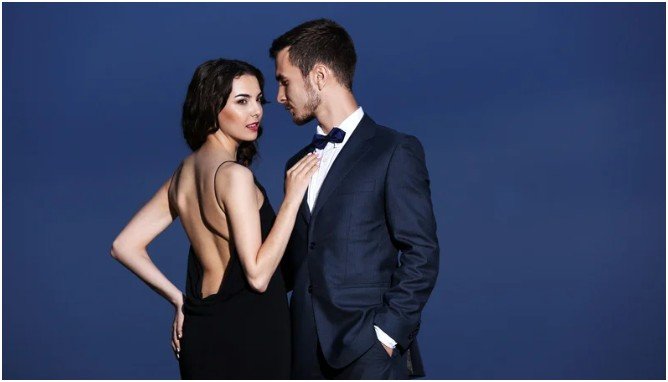
One of the main reasons hands look awkward in photos is that the subjects simply do not know what to do with them. When hands are left hanging by their sides, they tend to look stiff and disconnected from the rest of the body. To solve this, you must give the hands a clear, natural purpose.
Instead of letting hands dangle, give your couple a specific action or an “anchor” point. Ask them to lightly hold the lapel of a jacket, slip a hand loosely into a pocket with the thumb hooked on the outside, or gently sweep a stray piece of hair behind their partner’s ear.
According to portrait photography surveys, giving subjects a physical prompt reduces visible camera anxiety by over 40%. By giving the hands a job, you eliminate the “dead weight” look and instantly inject a sense of candid reality into the frame.
Tip: Ask the subject to softly trace the jawline of their partner. This not only gives the hand a beautiful purpose but also draws the viewer’s eye directly to the subjects’ faces, creating a powerful emotional focal point.
2. Soften the Fingers to Avoid the “Claw”
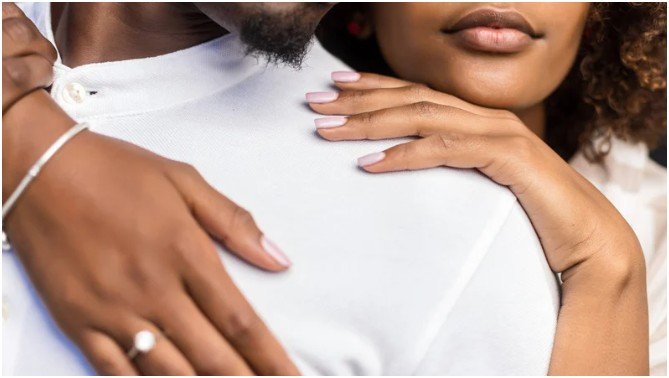
Tension naturally pools in our extremities when we feel nervous. In photography, this tension often results in what industry professionals affectionately call “the claw”—tightly gripped fingers that look aggressive rather than affectionate. Soft, relaxed fingers are the key to conveying intimacy and tenderness preserving the past memories in those moments.
To achieve this, direct your couple to relax their wrists and create a slight separation between their fingers. A great example of this is when a couple is holding hands. Instead of a tight, interlocking grip with white knuckles, instruct them to interlace their fingers loosely, as if they are holding a delicate object. You can even ask them to give their hands a quick shake-out before resetting the pose to reset the muscle tension.
Tip: Tell your couple to imagine their hands are resting on a cloud. Encourage them to keep their joints slightly bent and their fingers staggered. If you notice tension creeping back in, have them take a deep breath and exhale while actively relaxing their shoulders and wrists.
3. Highlight the Details Naturally
Couple portraits, especially those taken for engagements or anniversaries, often need to showcase important details without looking overly staged. The challenge is highlighting jewelry or wardrobe elements without making the photo look like a commercial product shot.
When couples wear custom wedding rings, you want to ensure the hands are positioned to naturally show off these meaningful pieces. Rather than having the subject thrust their hand awkwardly toward the lens, position the hand so it rests gently on the partner’s chest, shoulder, or bicep.
This angle naturally presents the back of the hand to the camera, catching the light perfectly on the rings while maintaining the emotional connection of the embrace.
Tip: When posing the hand to show off a ring, ask the subject to gently rest their hand flat against their partner’s chest and lift the index finger slightly. This creates elegant spacing and angles the ring perfectly toward your light source.
4. Use Gentle Touch for Authentic Connection
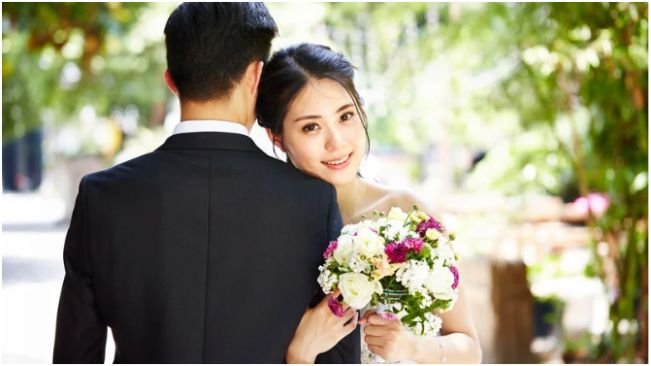
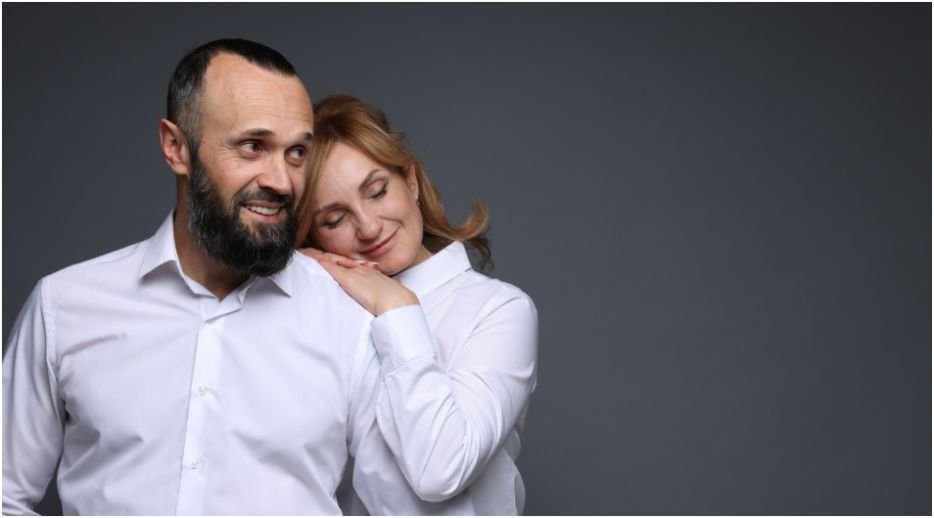
The way a couple touches each other in a photograph dictates the entire mood of the image. Heavy, flat hands pressing hard into a partner’s back or arm can look possessive or simply unflattering, as they compress the skin and clothing. The secret to beautiful touch in portraits is keeping it incredibly light.
Instruct your subjects to use “feather-light” touches. Instead of grabbing or holding onto their partner, they should let their hands rest softly on the surface of their partner’s skin or clothing in creative way to add personality in the moment. For instance, when wrapping arms around the waist, the hands should float gracefully rather than squeeze. This technique prevents the skin from bunching up and gives the hands a delicate, elegant appearance that translates beautifully on camera.
Tip: Use the “piano fingers” cue. Ask your couple to place their hands on each other as lightly as if they were resting their fingers on piano keys. This psychological cue instantly lightens their physical touch and transforms the energy of the pose.
5. Keep Hands Asymmetrical for Visual Interest
Symmetry can be beautiful in architecture, but in portrait posing, perfectly mirrored hands often look rigid and unnatural. When both hands are doing the exact same thing at the same height, it creates a stiff, robotic aesthetic that ruins the candid feel of a portrait.
Introducing asymmetry is a reliable way to make a pose feel organic and relaxed. If one hand is resting softly on the partner’s shoulder, the other hand should be doing something different—perhaps resting lower on the waist, holding a bouquet, or tucked loosely into a pocket. This staggered placement leads the viewer’s eye on a dynamic journey through the photograph and mimics how people actually interact in real life.
Tip: Always check your composition for mirrored limbs before pressing the shutter. If you see the couple holding each other with perfect symmetry, simply ask one of them to drop their right hand and hold their partner’s hand by their hip instead.
Elevating your couple photography requires an eye for the smallest details, and mastering hand placement is one of the most powerful skills you can develop. By giving hands a purpose, softening the fingers, highlighting meaningful details naturally, encouraging gentle touches, and embracing asymmetry, you will immediately see a dramatic improvement in your portrait work.
Start applying these five secrets in your next session to capture the genuine, effortless connection your clients are looking for. Book your next couple’s session today and put these techniques to the test to deliver galleries they will cherish forever.