
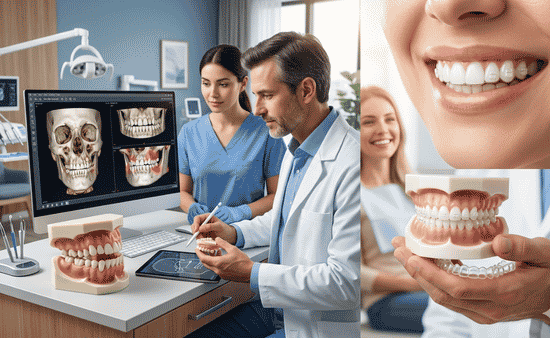
A well-aligned smile is often associated with confidence and good oral health. However, for many individuals, achieving proper alignment is not as simple as straightening a few teeth. Complex malocclusions—severe misalignments involving the teeth, jaws, or both—present unique challenges that require specialized diagnosis and advanced treatment strategies.
What Are Complex Malocclusions?
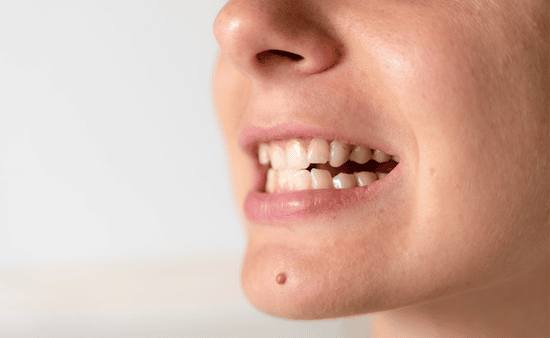
Malocclusion refers to the misalignment of teeth and improper fitting of the upper and lower jaws. While mild cases may involve minor crowding or spacing, complex malocclusions go beyond cosmetic concerns. They can include conditions such as severe overbites, underbites, crossbites, open bites, and jaw asymmetries.
These issues often affect not only appearance but also essential functions like chewing, speaking, and even breathing. Left untreated, complex malocclusions can lead to long-term complications, including tooth wear, jaw pain, and increased risk of gum disease.
Causes and Contributing Factors
Complex malocclusions can arise from a variety of factors, often a combination of genetics and environmental influences. Some of the most common causes include:
- Genetic predisposition: Jaw size and shape discrepancies are often inherited.
- Early childhood habits: Thumb sucking or prolonged pacifier use can influence jaw development.
- Trauma or injury: Damage to the jaw can alter alignment over time.
- Developmental issues: Abnormal tooth eruption or missing teeth can disrupt proper alignment.
Understanding the root cause is essential for determining the most effective treatment approach.
The Importance of Accurate Diagnosis
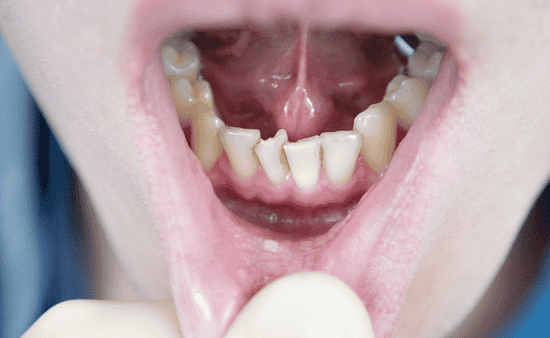
Diagnosing complex malocclusions requires more than a simple visual examination. Orthodontists rely on a combination of advanced tools and techniques to gain a comprehensive understanding of the problem.
Digital imaging, 3D scans, and cephalometric analysis allow clinicians to evaluate both dental and skeletal relationships. These technologies provide precise measurements and help identify underlying structural issues that may not be immediately visible.
A thorough diagnosis also considers the patient’s age, overall oral health, and functional concerns. This holistic approach ensures that treatment addresses not just the symptoms, but the root cause of the malocclusion.
Modern Treatment Solutions
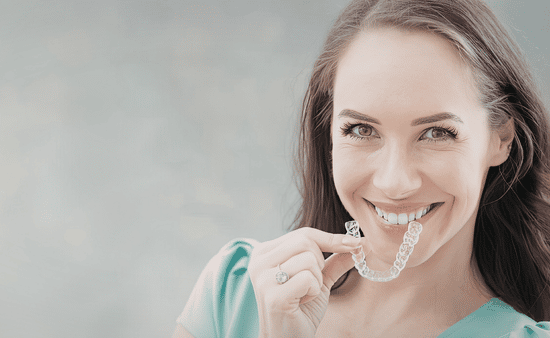
Treating complex malocclusions often involves a multidisciplinary approach, combining orthodontics with other dental or medical specialties. Fortunately, advancements in technology have significantly improved both the effectiveness and comfort of treatment.
Advanced Orthodontic Appliances
Traditional braces remain a reliable solution, but modern systems are more efficient and discreet than ever before. Clear aligners are also an option in certain cases, offering a more aesthetic alternative for patients who qualify.
Surgical Interventions
For severe skeletal discrepancies, orthognathic (jaw) surgery may be necessary. This procedure repositions the jaws to achieve proper alignment and function. Surgery is typically combined with orthodontic treatment for optimal results.
Technology-Driven Precision
Innovations in digital orthodontics have transformed how complex cases are managed. One notable advancement is digital indirect bonding, which enhances the accuracy of bracket placement. By using virtual treatment planning, orthodontists can position brackets with exceptional precision, leading to more predictable outcomes and shorter treatment times.
Customized Treatment Plans
No two cases are alike, which is why personalized treatment plans are essential. Orthodontists tailor each plan based on the severity of the malocclusion, patient preferences, and long-term goals. This individualized approach improves both efficiency and patient satisfaction.
Benefits of Treating Complex Malocclusions

Addressing complex malocclusions offers more than just aesthetic improvements. Proper treatment can:
- Enhance chewing and speech function
- Reduce strain on jaw joints and muscles
- Improve overall oral hygiene and reduce disease risk
- Boost self-confidence and quality of life
These benefits highlight the importance of seeking professional care for even the most challenging cases.
Looking Ahead
The field of orthodontics continues to evolve, bringing new possibilities for patients with complex malocclusions. With the integration of advanced imaging, digital planning, and innovative treatment techniques, achieving a healthy, functional smile is more attainable than ever.
If you suspect you have a complex malocclusion, consulting with an experienced orthodontist is the first step toward transformation. Early diagnosis and a well-structured treatment plan can make a significant difference, paving the way for lasting oral health and renewed confidence.