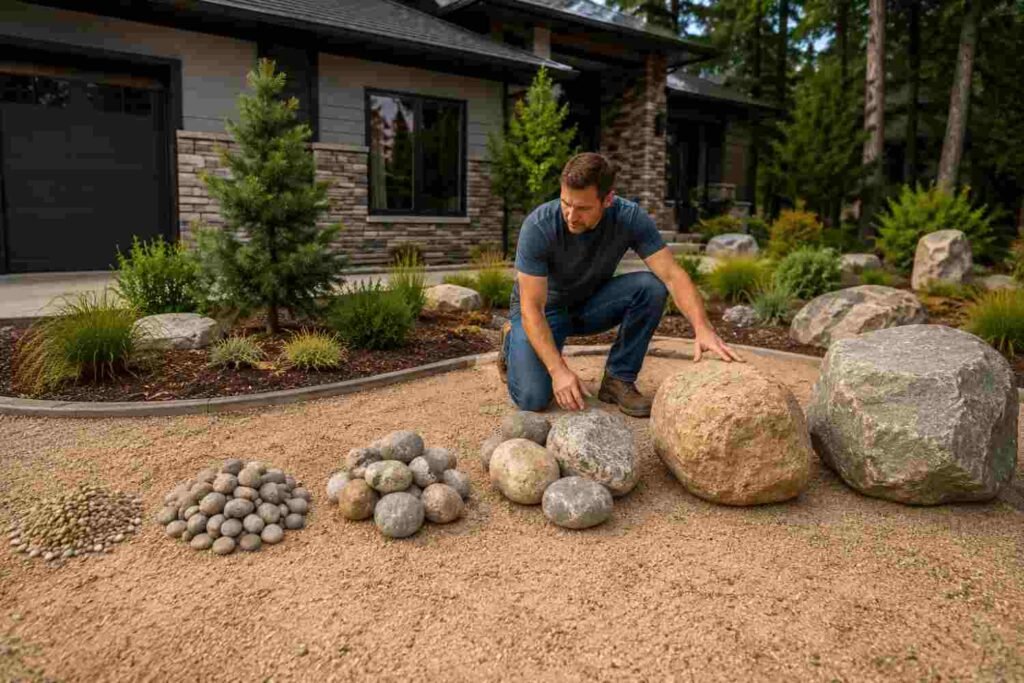
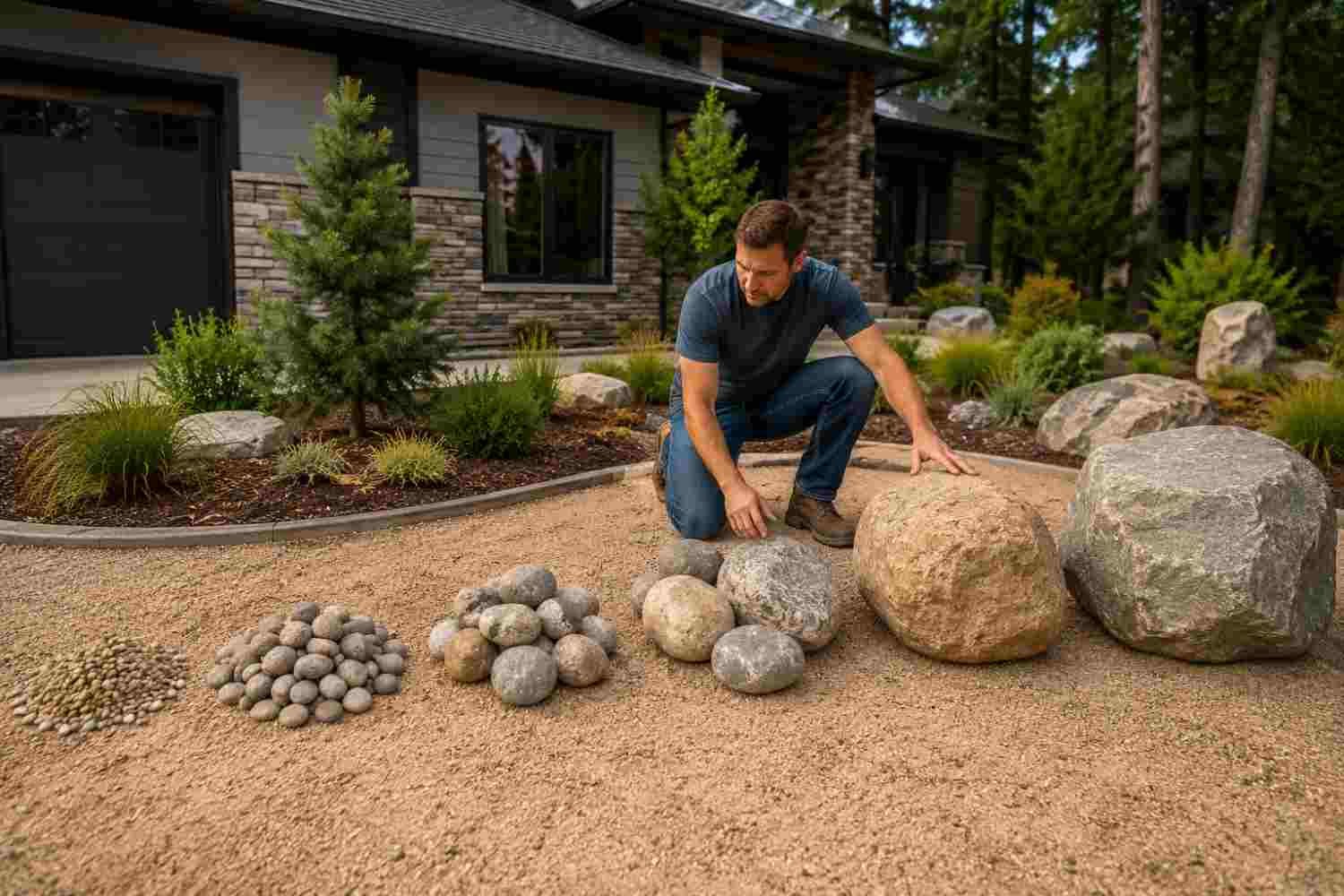
Choosing the right rock size is one of the most important decisions in a landscape build, yet it is often treated as an afterthought. That is a mistake. Rock size affects drainage, coverage, maintenance, visual balance, and even how finished the space feels from day one.
If you are shopping for landscape rock that Utah homeowners and contractors rely on, the size you choose should match the job first and the style second. A rock that looks great in a showroom can fail in a border, wash out in a drainage area, or feel oversized in a small bed. The best results come from matching material to function, scale, and long-term use.
Granite Landscape Centers works with both DIY projects and professional installs, so the practical question is not just “What looks good?” It is “What will perform well in this exact space?” That is the standard worth using.
Start With the Job, Not the Color
Size should follow function. Before you think about color blends or decorative texture, define what the rock needs to do. Is it covering open ground, controlling runoff, framing a pathway, or creating a focal point in a dry streambed? Each use points to a different size range.
Smaller rock tends to lock together tighter, making it better for coverage and slope stability. Larger rock creates stronger visual structure and stands up better as an accent. When people choose only by appearance, they often end up with material that shifts too much, looks out of scale, or requires more maintenance than expected.
A reliable starting point is to separate projects into three practical categories:
- Ground cover that needs to stay relatively uniform
- Drainage or erosion-control areas that need movement and permeability
- Decorative zones where a strong visual statement matters more than full coverage
The same yard can need more than one size. A clean landscape design often uses one product for the broad beds and another for edges, accents, or drainage transitions.
Match Rock Size to Visual Scale and Maintenance Needs
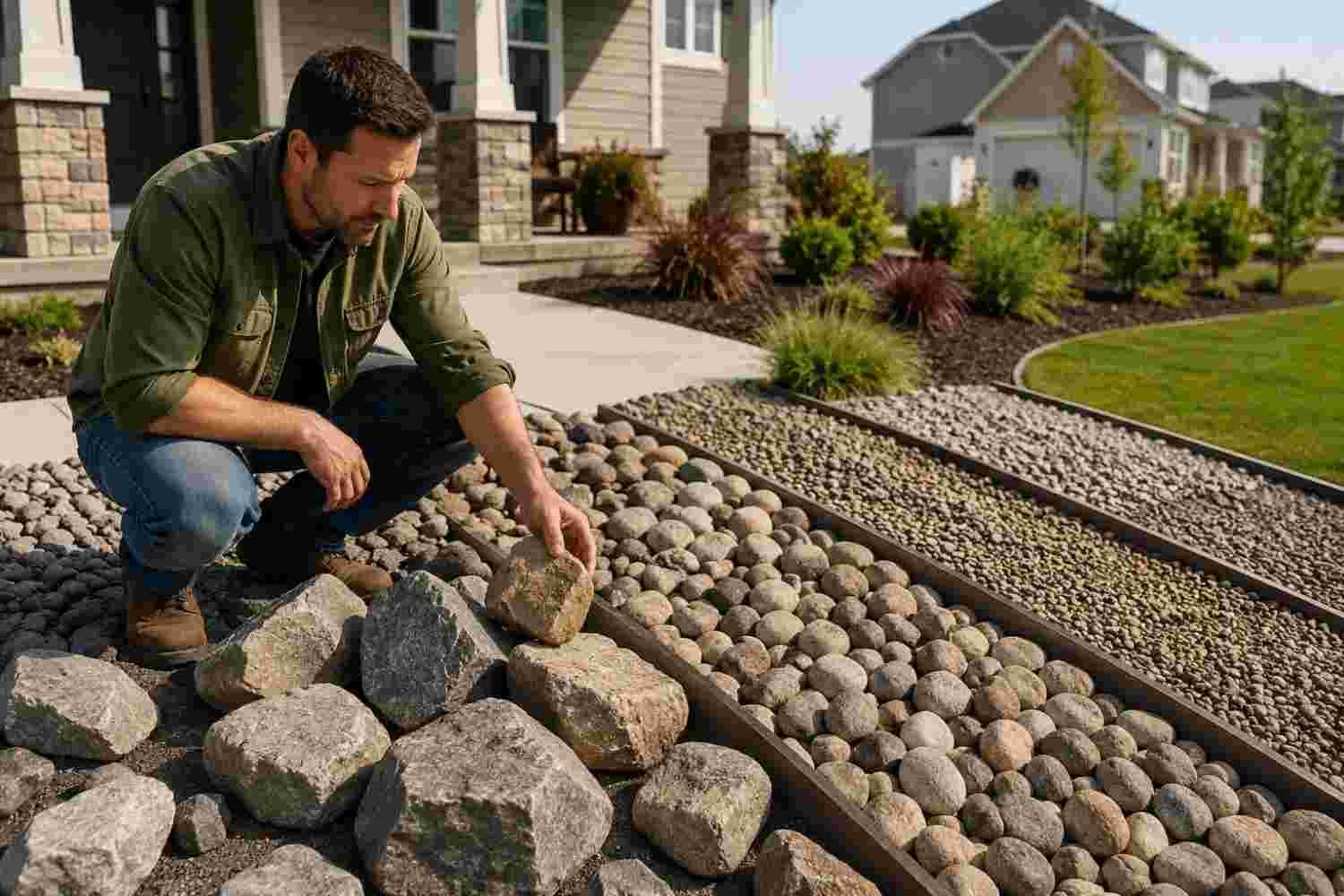
The right size is partly technical and partly visual. A small patio bed, for example, can feel overwhelmed by large cobbles. A wide foundation bed can make tiny pebbles disappear. The goal is proportion.
Smaller Sizes Create a Cleaner, Tighter Finish
Smaller materials, such as crushed rock, are usually selected when the project calls for a more unified surface. These materials work well where you want dependable coverage, a firmer walking surface, or a lower-profile appearance. They are also useful when you need the stone to stay visually consistent over a broad area.
This is one reason Granite Landscape Centers offers materials across a range of sizes. In the wrong setting, a larger stone can make a space feel busy or difficult to maintain. In the right setting, smaller rock gives you a neat, deliberate finish without drawing attention to every individual piece.
Larger Cobble Makes a Stronger Design Statement
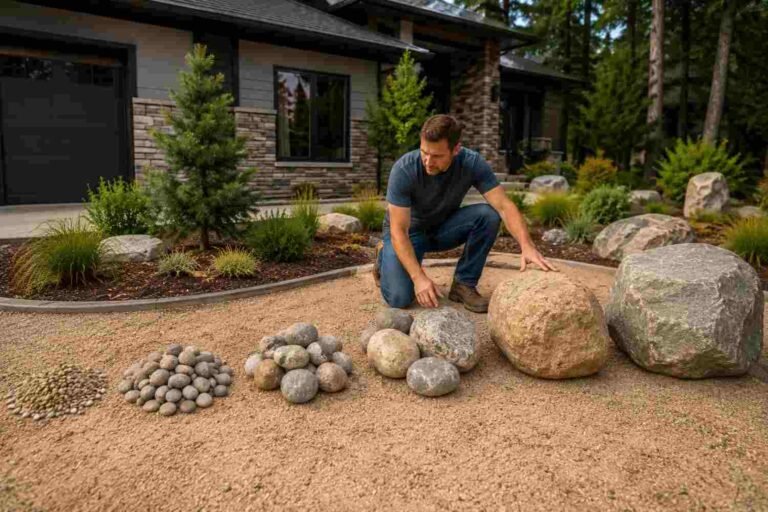
When the project needs presence, larger sizes such as 1″-2″ or 2″-4″ cobbles deliver that weight. They are especially effective in exposed beds, around boulders, or in areas meant to read as natural and layered. A larger stone also tends to feel more permanent and substantial.
The tradeoff is that larger rock usually leaves more open space between pieces. That can be desirable in decorative areas, but less ideal if the goal is tight coverage. In some projects, the difference between “finished” and “patchy” is simply choosing a size that fills the area appropriately.
Use Rock Size to Solve Functional Problems
A good landscape does more than look finished. It manages water, reduces upkeep, and supports how space is actually used. The best size choice helps with all three.
Drainage Areas Need Space to Move Water
If the rock is intended for drainage, permeability matters as much as appearance. Larger stone often performs well where water needs room to move through the material without compacting it into a dense layer. That makes cobble and drainage rock useful in swales, around downspouts, and in utility-adjacent areas where water control is a priority.
Crushed products can still be effective in some drainage-related applications, especially when used as part of a layered system. The key is to think about how the water behaves, not just what the surface looks like. Granite Landscape Centers stocks options that support both appearance and drainage performance, which makes it easier to choose a size that matches the engineering of the space.
Ground Cover Should Balance Coverage and Movement
If your goal is long-term ground cover, size influences maintenance. Very small rock may create a tidy surface, but it can also shift differently under traffic or settle into the soil if the base is not prepared well. Large rock resists being buried by fine debris as quickly, but it may leave more visible gaps.
For most general landscape beds, the best choice is the one that balances surface stability with the level of visual openness you want. That is why experienced installers often look at the surrounding materials before selecting rock size. A compact planting bed, a broad side yard, and a sloped border do not need the same stone.
Think in Terms of Coverage, Depth, and Weight
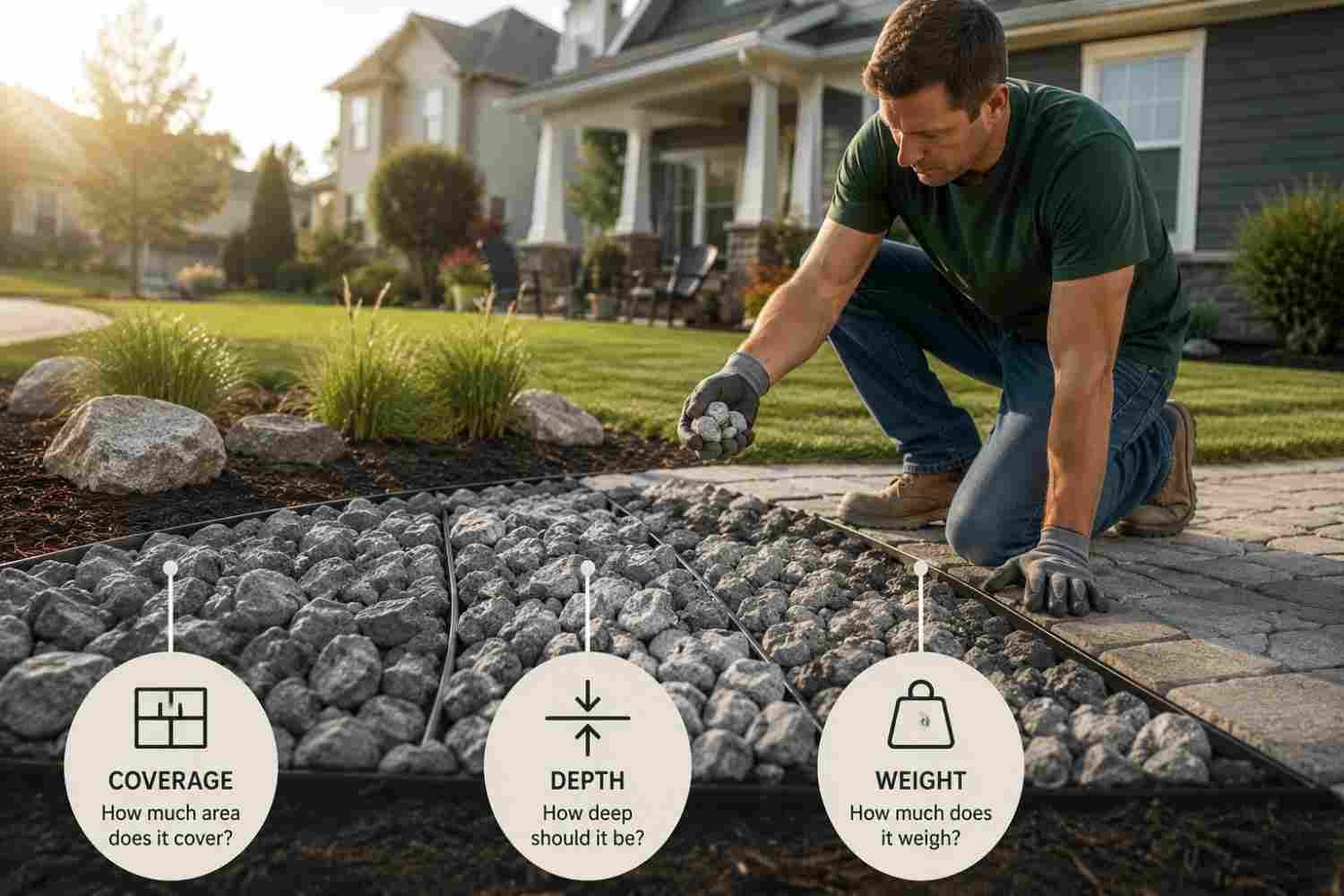
The size of the rock affects how much material you need. That sounds obvious, but it is where many projects go off track. Larger stone generally needs different depth planning than smaller material, and the finished look changes depending on how densely the rock settles.
Granite Landscape Centers notes that many standard bulk rock products weigh about 2,600 lbs, or 1.3 tons, per cubic yard. That matters because the same cubic yard can look very different depending on size, shape, and placement. If you are comparing one product to another, do not assume identical visual coverage just because the volume is the same.
A practical way to think about quantity is to separate one-product use from combined-product use:
- One-product use: a single rock size covers the whole area, which works best for simple beds, uniform ground cover, or straightforward drainage runs.
- Combined-product use: two sizes are used together, such as smaller crushed rock for the main field and larger cobble for borders, corners, or accent pockets.
Combined-product layouts are often the most refined because they let you control both utility and appearance. A broader field of smaller rock can anchor the design, while selected larger pieces prevent the space from feeling flat. Granite Landscape Centers can help you plan that mix without guessing at scale.
Choose for the Space You Actually Have
Not every project benefits from the same visual rhythm. A large rock can feel elegant in an open yard and awkward in a narrow bed. A finer rock can look crisp in a compact area and get lost in a wide one. This is where judgment matters.
Here is a simple way to narrow the choice:
- Use smaller rock when the bed is tight, the design is clean and formal, or you want a smoother visual texture.
- Use medium cobble when you want balance between coverage and character.
- Use larger cobble or accent stone when the area is open, the design needs contrast, or the rock is meant to be noticed.
- Mix sizes when the project needs both structure and detail.
This is also where the overall palette matters. Texture, shape, and color all interact with size. A rounded pebble reads differently from a crushed stone of the same approximate size. Granite Landscape Centers carries a broad mix of materials, including specialty options, so the size choice can be matched to the look you actually want rather than forced into a generic category.
Make the Final Choice Based on Long-Term Performance
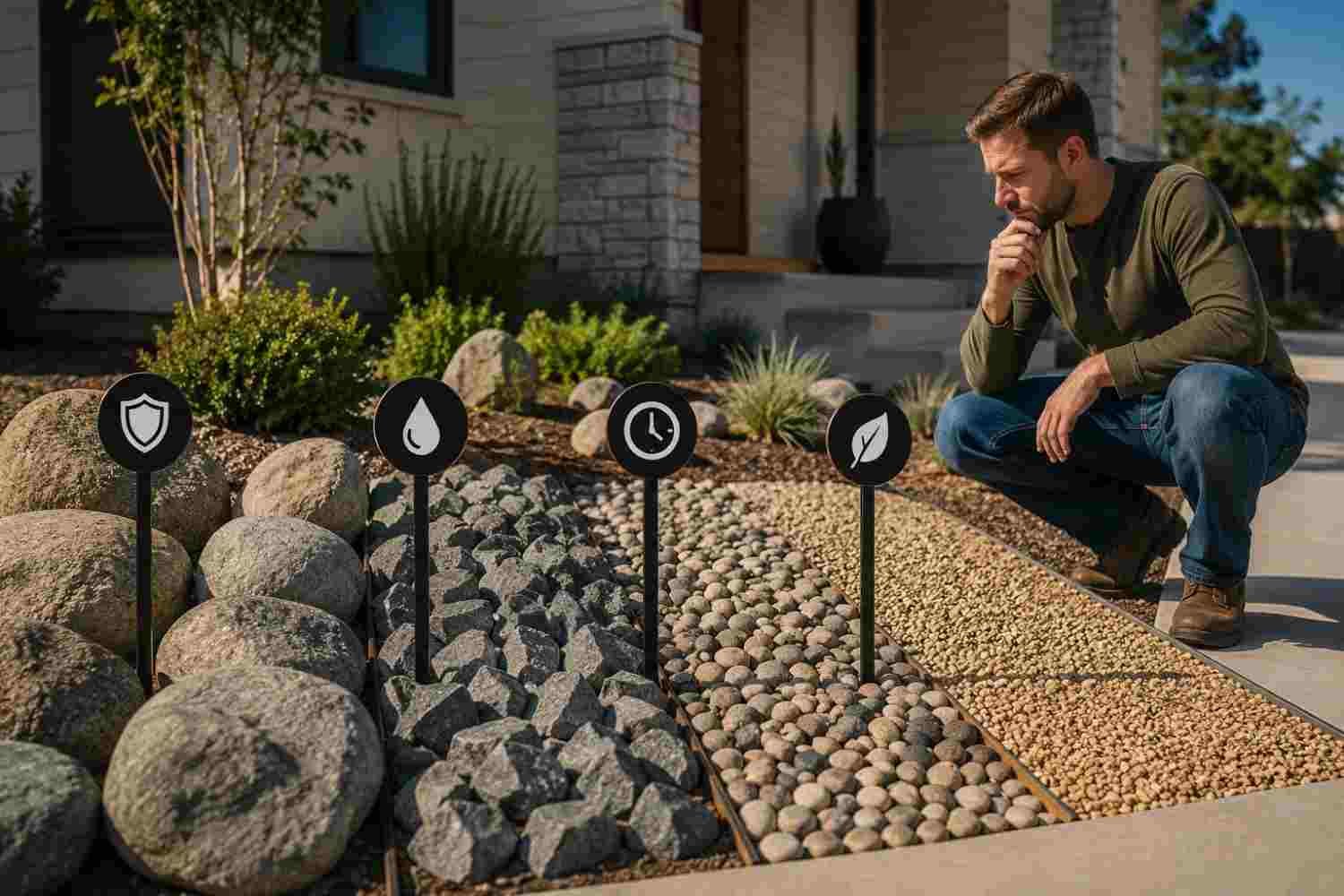
The best landscape rock choice is not the one that looks best on the pallet. It is the one that still looks right after weather, water, foot traffic, and seasonal cleanup. That is why size should be chosen with the project’s long-term behavior in mind. The same principle applies when considering home upgrades that add true long term value, where durability and practical benefits matter just as much as initial appearance.
If the space needs to stay neat and continuous, lean smaller. If the space needs structure, movement, or visual weight, go larger. If the design needs both, combine sizes deliberately instead of hoping one product will do everything.
Granite Landscape Centers is a strong resource for this kind of decision because the company offers a wide range of sizes, clear material planning support, and the kind of bulk inventory that makes real project matching possible. For anyone comparing landscape rock Utah options, that combination of selection and practical guidance is what makes the difference between a decent installation and one that feels intentional from the start.
The right size does more than fill space. It determines whether the finished landscape reads as balanced, durable, and well-planned. When you choose with purpose, the rock becomes part of the architecture of the yard, not just surface material.