
Maintaining a house requires consistent effort, but tackling every project at once is a recipe for burnout. The secret to successful home care is timing. By aligning specific preventative tasks with the right season, you can protect your investment, lower your utility bills, and prevent emergency repairs before they start.
Structuring your yearly schedule around the weather ensures that each system gets attention exactly when it needs it most. The following guide highlights ten essential maintenance tasks and the absolute best time of year to complete them.
Spring Tasks: Post-Winter Evaluation
As the snow melts and temperatures rise, spring offers the perfect opportunity to assess any damage left behind by winter weather and prepare for the upcoming heat.
1. Air Conditioning System Servicing
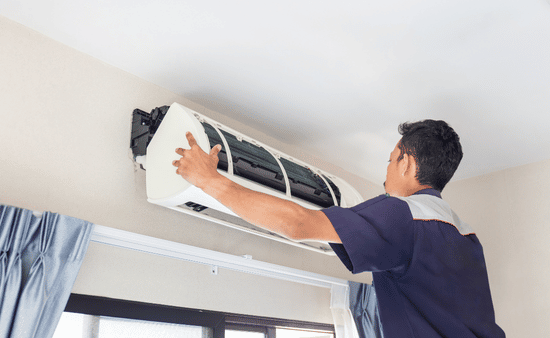
Do not wait until the first scorching summer day to turn on your cooling system. Schedule a professional technician in the early spring. A standard tune-up involves cleaning the condenser coils, checking refrigerant levels, and ensuring that all electrical components operate safely. Regular spring servicing keeps the unit running efficiently and lowers energy costs when summer arrives.
2. Roof Inspection and Attic Ventilation Check
Winter ice and winds can loosen shingles and damage flashings. Spring is the safest and most effective time to inspect the roof. Look for buckled shingles, missing granules, and signs of water penetration. Simultaneously, check the attic to ensure the ventilation intake vents are clear of debris. Proper airflow prevents heat buildup, which extends the lifespan of your roof.
Summer Tasks: Exterior Longevity

Dry weather and long daylight hours make summer the ideal season for heavy-duty exterior projects that require specific curing times.
3. Deck and Porch Resealing
Wooden decks require regular sealing to ward off rot and UV damage. Summer offers the consecutive dry days needed for wood to dry completely before application. Sweep the surface, wash away mildew, and apply a high-quality sealant. The summer heat helps the protective coating bond deeply with the wood fibers.
4. Exterior Painting and Caulking
Peeling paint is more than a cosmetic issue; it exposes the underlying structure to moisture. Use the summer months to scrape away flaking paint, sand the siding, and apply fresh coats. This is also the best time to inspect the caulking around windows and doors, replacing old, cracked seals to keep conditioned air indoors.
Landscaping Ideas for Curb Appeal & Living can further enhance your home’s exterior during this season. Well-maintained lawns, trimmed shrubs, colorful plantings, and inviting outdoor living spaces not only boost visual appeal but also create a more enjoyable environment for relaxing and entertaining. Combined with exterior maintenance, thoughtful landscaping helps protect and enhance your property’s long-term value.
Autumn Tasks: Winter Proofing
The Ultimate Home Maintenance Guide for Smart Homeowners starts with understanding that each season brings different responsibilities for protecting your property. Autumn is the most critical season for home maintenance.
The main goal here is sealing the envelope of the house to trap heat and divert water away from the foundation. Taking care of tasks such as inspecting the roof, cleaning gutters, sealing gaps around doors and windows, and preparing heating systems before winter arrives can help prevent costly repairs while improving comfort and energy efficiency throughout the colder months.
5. Gutter Cleaning and Drainage Assessment
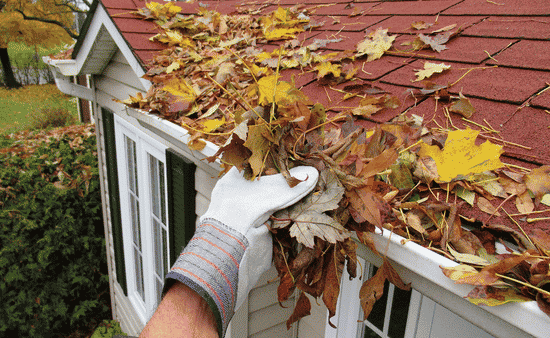
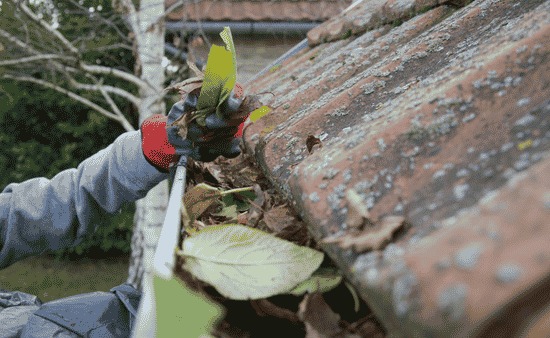
Once the autumn leaves finish falling, clearing out the debris is vital. Clogged gutters lead to water overflowing, which damages siding and floods basements. While clearing the channels, look out for sagging sections or leaks that require professional gutter repair in Sugarhouse to ensure the system directs heavy snowmelt safely away from your home.
6. Heating System Inspection and Filter Replacement
Before turning the furnace or heat pump on for the winter, have it inspected by a certified professional. Technicians can check for cracked heat exchangers, which pose a carbon monoxide risk. Additionally, switch out the air filter. Changing filters every one to three months keeps airflow steady and indoor air clean.
7. Window and Door Weatherstripping
Drafty windows and doors can increase heating bills significantly. Walk around the perimeter of your home on a cool autumn day to feel for moving air. Replace worn weatherstripping and install door sweeps to block cold drafts. This simple task keeps the indoor climate stable and reduces stress on your heating system.
Winter Tasks: Interior Systems
When freezing temperatures keep you indoors, shift your focus to the interior mechanics of the property that keep the household safe and warm.
8. Water Heater Flushing
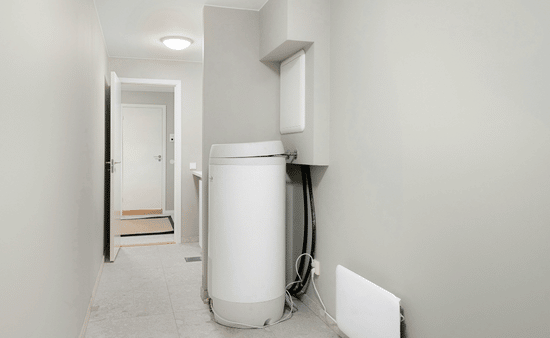
Over the course of a year, sediment and mineral deposits build up at the bottom of your water heater tank. This accumulation forces the unit to work harder to heat water, reducing its efficiency and lifespan. Flushing the tank every winter removes this debris, ensuring hot water remains plentiful during the coldest months.
9. Sump Pump Testing
With spring snowmelt around the corner, winter is the time to ensure your sump pump functions perfectly. Pour a bucket of water into the pump pit to confirm that the float switch activates and the pump expels water efficiently. Checking this now prevents disastrous basement flooding later.
10. Safety Detector Testing
Testing your smoke and carbon monoxide detectors should occur multiple times a year, but winter is an excellent time for a thorough overhaul. Because homes stay tightly closed during the winter, carbon monoxide risks increase. Replace all batteries, wipe dust away from the sensors, and check the expiration dates stamped on the back of the devices.