
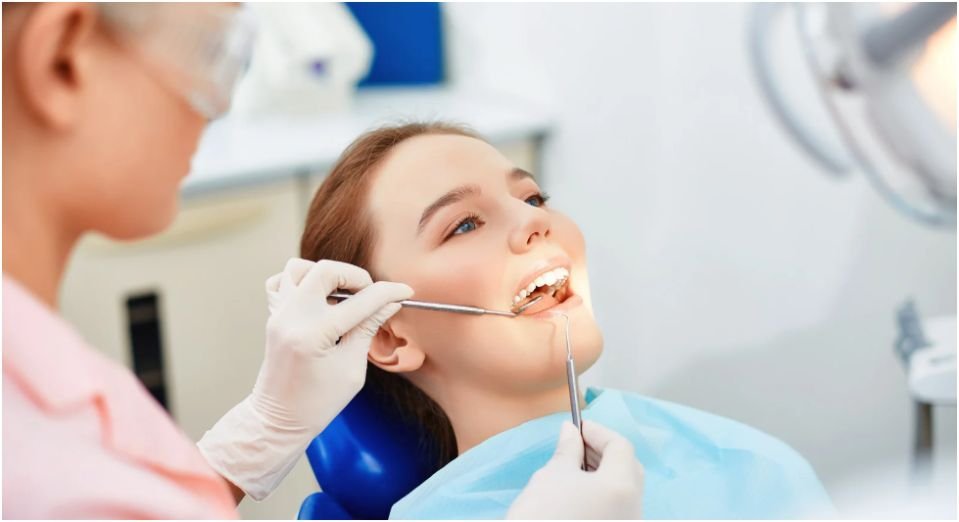
Understanding the Connection Between Diet and Oral Recovery
The relationship between nutrition and dental healing represents a fascinating intersection of dietary science and oral health. When patients undergo dental procedures or experience oral injuries, the body’s natural healing processes require specific nutrients to function optimally. Understanding these nutritional requirements can significantly influence recovery times and overall treatment outcomes.
Modern dental practices, such as the dentist Balwyn, increasingly recognise that healing extends far beyond the clinical environment. The foods consumed during recovery periods play a crucial role in tissue regeneration, inflammation reduction, and immune system support. This holistic approach to dental care acknowledges that proper nutrition serves as a foundation for successful oral health management.
Research demonstrates that certain vitamins, minerals, and macronutrients directly impact the body’s ability to repair damaged oral tissues. From supporting collagen synthesis to enhancing immune function, nutritional choices can either accelerate or hinder the healing process following dental treatments.
Essential Nutrients for Optimal Dental Recovery
Vitamin C and Collagen Formation
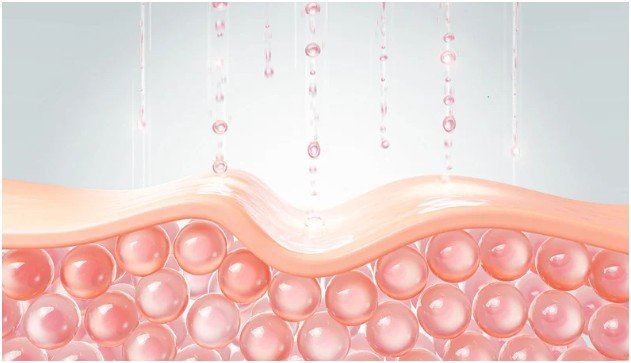
Vitamin C stands as one of the most vital nutrients for dental healing, primarily due to its role in collagen synthesis. This protein forms the structural foundation of gums, periodontal ligaments, and other oral tissues. Without adequate vitamin C intake, the body struggles to produce healthy collagen, potentially prolonging recovery periods after dental procedures.
Citrus fruits, berries, leafy greens, and bell peppers provide excellent sources of this essential vitamin. Patients recovering from oral surgery or periodontal treatment often benefit from incorporating these foods into their daily meals, supporting their body’s natural healing mechanisms.
Protein Requirements for Tissue Repair
Adequate protein consumption proves fundamental for tissue regeneration and wound healing. Amino acids, the building blocks of proteins, facilitate cellular repair and support immune system function during recovery periods. Nutritional science continues to reveal new insights into how protein requirements may increase following dental procedures.
Lean meats, fish, eggs, dairy products, legumes, and nuts offer high-quality protein sources that support optimal healing. For patients following plant-based diets, combining various protein sources ensures comprehensive amino acid profiles necessary for tissue repair.
Calcium and Phosphorus for Bone Health
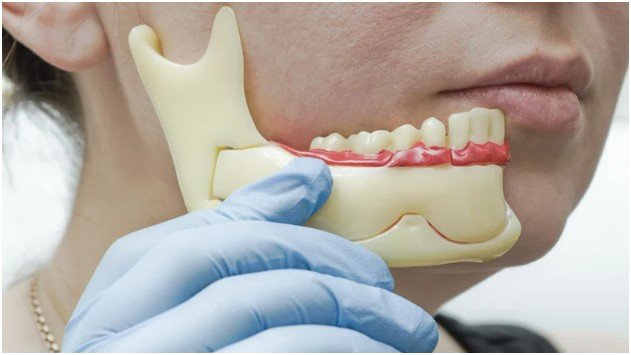
Calcium and phosphorus work synergistically to maintain strong teeth and supporting bone structures. These minerals become particularly important during healing periods, as they contribute to remineralisation processes and structural integrity of dental tissues. Dairy products, leafy greens, almonds, and fish with edible bones provide excellent sources of these crucial minerals.
The body’s ability to absorb calcium depends partly on adequate vitamin D levels, highlighting the interconnected nature of nutritional requirements. Patients may benefit from incorporating fortified foods or considering their exposure to natural sunlight during recovery periods.
Anti-Inflammatory Foods and Healing Enhancement

Inflammation represents a natural response to dental procedures, but prolonged inflammatory responses can impede healing progress. Incorporating anti-inflammatory foods into recovery diets may help manage this response whilst supporting tissue repair. Fatty fish rich in omega-3 fatty acids, turmeric, ginger, and leafy greens possess natural anti-inflammatory properties.
These foods work by modulating inflammatory pathways, potentially reducing discomfort and promoting faster tissue recovery. Understanding the role of nutrition in oral care helps patients make informed dietary choices during their recovery journey.
Hydration and Oral Tissue Health

Proper hydration supports numerous physiological processes essential for healing, including nutrient transport, waste removal, and maintaining optimal blood flow to healing tissues. Water also helps maintain saliva production, which provides natural cleansing and antimicrobial benefits for the oral cavity.
Patients should prioritise water consumption whilst avoiding beverages that may interfere with healing, such as those high in sugar or acid content. How nutrition affects oral surgery outcomes demonstrates the importance of comprehensive dietary planning during recovery periods.
Supporting Long-Term Oral Health Through Nutrition
The principles of nutrition for dental healing extend beyond immediate recovery periods. Maintaining consistent nutritional habits supports ongoing oral health, potentially reducing the likelihood of future dental complications. Regular consultation with dental professionals, such as a dentist Balwyn patients trust, can provide personalised guidance on nutritional strategies that complement professional dental care.
By understanding and implementing sound nutritional principles, patients can actively participate in their oral health journey, supporting both immediate healing needs and long-term dental wellness through informed dietary choices.
Any surgical or invasive procedure carries risks. Before proceeding you should seek a second opinion from an appropriately qualified health practitioner.