I’ll admit it: I’ve had my share of clay mishaps.
I remember the first time I used air dry clay—excited to make a cute little sculpture, I rushed the drying process, only to end up with cracks and uneven textures.
It was a mess. That was when I realized that drying air dry clay isn’t a one-size-fits-all kind of thing—it’s a delicate balance of patience, the right environment, and a few crafty tips.
So, how long does air dry clay take to dry? Well, it’s not as simple as you might think.
In this guide, I’m breaking down everything you need to know, from drying time to tips and tricks for faster, more even results.
Whether you’re making a small charm or a large sculpture, this guide will help you get the best results.
Why Does Drying Time Vary for Air Dry Clay?
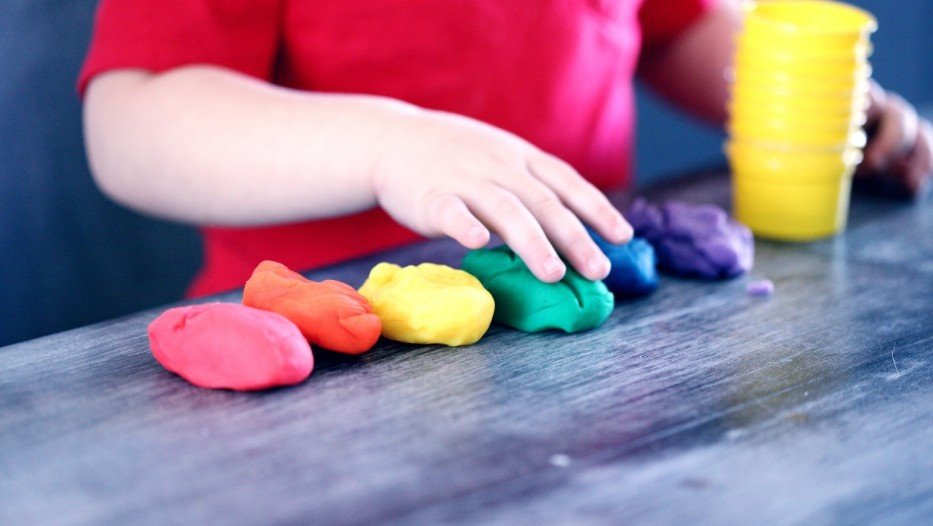
Let’s start with the basics. The drying time of air dry clay depends on a few different factors. If you’ve ever worked with it, you’ll know that it’s not exactly like baking clay or using a kiln.
Air dry clay relies on, well, air, to dry and harden. While it’s great for beginners and DIY enthusiasts, this means the drying time isn’t always predictable.
Thickness: Thickness is one of the biggest factors. Thicker pieces naturally take longer to dry compared to thin ones. A tiny bead or pendant might dry in a day, but a chunky bowl could take several days.
Temperature: Temperature also plays a huge role. Warmer environments can speed things up, while cold or damp conditions slow it down.
Humidity: Humidity is another thing to keep in mind—too much moisture in the air means your clay will take much longer to dry.
How Long Should You Expect Air Dry Clay to Take?
Typically, air dry clay takes about 24 to 72 hours to dry completely. If you’re working with thin pieces, they may be dry enough in just 24-48 hours. Thicker pieces or larger projects, however, can take up to a week or more.
But let’s break it down a little further:
- Thin pieces: If you’re working on something like small beads or flat shapes, expect them to dry in 24 to 48 hours.
- Medium-sized pieces: For projects that are a little thicker, like small sculptures or trinket boxes, the drying time may fall somewhere between 48 and 72 hours.
- Large or thick projects: Bigger pieces, especially those made with thick layers, could take up to a week. And here’s the kicker—if they’re still damp inside, it might take even longer for them to fully harden.
What Affects Drying Time? (Hint: It’s Not Just About Size)

Now that we know how long air dry clay typically takes to dry, let’s dive into the factors that impact this timeline.
The size of your project isn’t the only thing at play here—there are several key elements you should be mindful of.
1. Temperature: Warm temperatures encourage faster evaporation of moisture from the clay, making the drying process quicker.
However, extremely hot conditions can cause cracking. Aim for a mild, room-temperature space that’s around 70-80°F (21-27°C).
2. Humidity: High humidity slows down the drying process. If you live in a particularly humid environment, drying your project could take longer. A dehumidifier or air conditioning in your craft space could help speed things up.
3. Air Circulation: Good airflow around your project is essential. When your piece is surrounded by still air, moisture can’t evaporate as quickly.
For the best results, place your project near a fan or in a well-ventilated area. The more air that reaches your clay, the faster it will dry.
How do you dry air dry clay quickly?
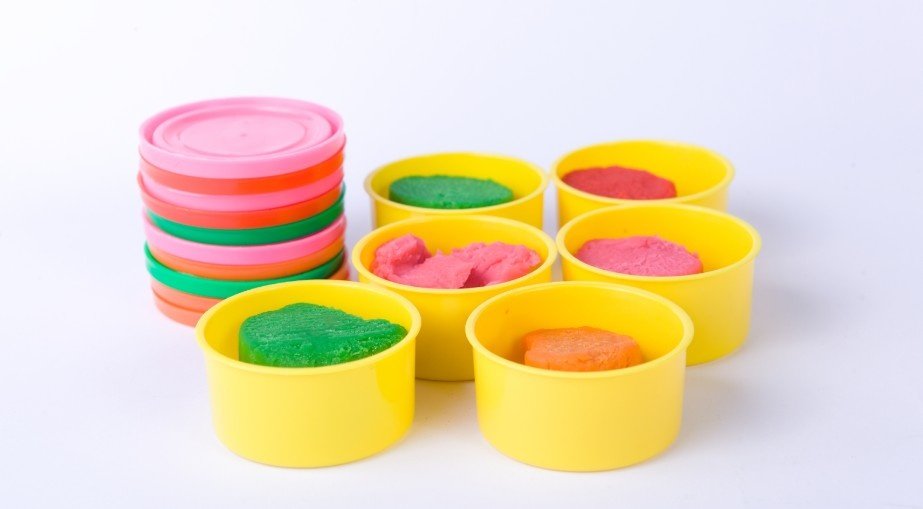
We all know the struggle of wanting to rush the drying process, but it’s important to avoid cutting corners.
While it can be tempting to speed things up with some clever shortcuts, there are a few tips to help you dry your project without risking cracking or warping.
- Don’t Use Direct Heat: Using a hairdryer or an oven might seem like a quick fix, but both can lead to cracks or uneven drying. Extreme heat dries the outer layer too quickly, leaving the inside damp.
- Rotate Your Piece: Every few hours, gently turn your project to ensure that all sides are exposed to air. This prevents uneven drying and helps avoid warping.
- Elevate Your Piece: Dry your creation on a wire rack or similar elevated surface. This allows air to flow beneath the piece, speeding up the process and promoting even drying.
- Layer Your Creations: If you’re working on larger or more complex projects, consider building them in layers. Allow each layer to dry partially before adding the next to avoid cracking in the thicker sections.
Can You Use Heat to Dry Air Dry Clay Faster?
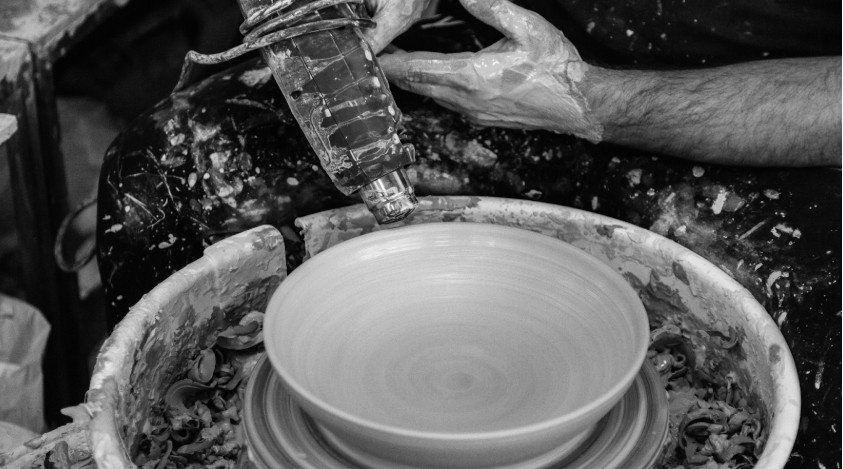
While I wouldn’t recommend baking your air dry clay (more on that in a bit), there are some safe ways to introduce gentle heat if you’re in a hurry.
- Indirect Sunlight: If you live in a sunny area, try placing your piece in indirect sunlight. Just remember to rotate it often to prevent uneven drying.
- Low-Wattage Heat Lamp: Keep a low-wattage heat lamp at least 12 inches away from your project to avoid overheating. This method is safe as long as you’re careful not to expose the piece to direct heat for too long.
- Hairdryer: If you choose to use a hairdryer, make sure it’s on the lowest heat setting. Keep it moving and stay at least 12 inches away from the clay to avoid uneven drying.
Can you bake air dry clay to make it harden faster?
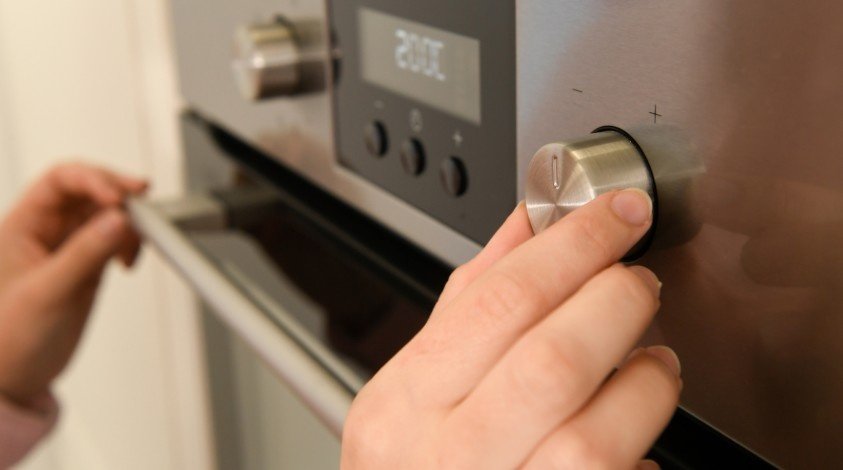
While it’s tempting to try anything to speed up the drying process, some methods can actually do more harm than good. Here’s what to avoid:
- Oven: As much as it’s mentioned as a drying solution, baking air dry clay in the oven is not recommended. The rapid heat can cause the clay to crack, warp, and burn, and it’s not even effective in drying the piece evenly.
- Microwave: Similarly, microwaving your clay can lead to uneven drying and potential damage.
- Food Dehydrator: The intense heat of a food dehydrator is another no-go. It can easily cause cracks or warping.
FAQ: Common Questions About Drying Air Dry Clay
1. How do I know when my air dry clay is fully dry?
You’ll know your clay is fully dry when it feels firm to the touch and doesn’t retain any moisture when pressed. You can also tap the piece lightly—if it sounds hollow, it’s likely dry inside. If it feels cool or damp, give it more time.
2. Can I paint or decorate my clay before it’s dry?
It’s best to wait until your clay is fully dry before painting or decorating. Wet clay can absorb paint unevenly, which can lead to streaks or smudges. Plus, adding layers too early can interfere with the drying process.
3. Can I dry thicker pieces of clay faster?
Thicker pieces take time to dry properly. However, you can speed up the drying process by using a fan, ensuring good air circulation, and creating thinner sections where possible. Just be patient and avoid rushing it with excessive heat.
The Verdict: Patience Pays Off
Here’s the thing: While it’s tempting to rush through the drying process, air dry clay requires patience.
The faster you try to dry it, the more likely you are to end up with cracks or warps that ruin your hard work.
So, slow down, take your time, and let the air work its magic.
And trust me—once that project is done, you’ll be proud of the careful, thoughtful work that went into it.
The process might take time, but the results? Totally worth it.