
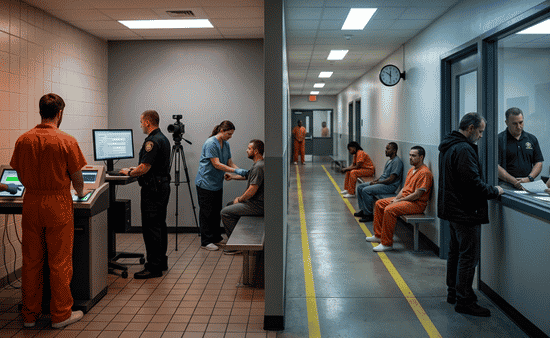
When a person is arrested, the immediate focus for friends and family members shifts toward securing their release. However, before the subject of bail can even be discussed, the individual must navigate the intake procedure known as the booking process.
This bureaucratic sequence of events is designed to establish identity, document the specific charges, and evaluate the medical condition of the individual in custody. Because jails operate on complex, volume-driven schedules, understanding the timeline of this process is critical for managing expectations during a highly stressful time.
The Sequential Steps of Jail Intake
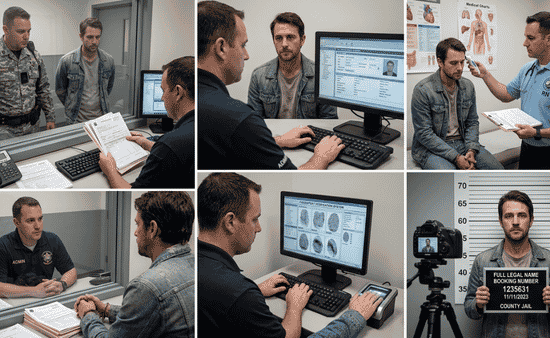
The booking process is not a single transaction, but rather a sequence of administrative steps that begins the moment a suspect arrives at a detention facility. Initially, the arresting officer must complete all necessary paperwork, which details the probable cause for the detention. During this initial period, the individual remains in a holding area while clerks verify that the legal basis for the arrest is sound.
Once the paperwork is verified, institutional processing begins. Booking officers record biographical data, including full legal name, date of birth, and physical characteristics. This step is followed by medical screening, where health staff evaluate the person for immediate medical needs, psychological stability, or intoxication.
Following the health assessment, staff take fingerprints and photographs, commonly known as mugshots, to check for any outstanding warrants in nationwide databases. This entire physical progression requires several hours to finalize, depending heavily on the number of inmates arriving simultaneously.
Variable Factors in the Booking Timeline
A common point of frustration for families is the unpredictability of the intake duration. On average, standard processing takes anywhere from five to twelve hours before an individual is fully classified and placed into a housing unit or cleared for release. Several logistical variables dictate whether the timeline leans toward the shorter or longer end of that spectrum.
Staffing levels and the overall volume of arrests at the facility play a massive role. Weekend nights, holidays, and periods following major community events typically see an influx of intakes, which creates a significant backlog.
Furthermore, if an individual is uncooperative or under the influence of substances, booking officers will often delay the process, placing the person in a safety cell until they are sober or compliant enough to complete the fingerprinting and photography stages safely.
Transitioning From Intake to Pretrial Release
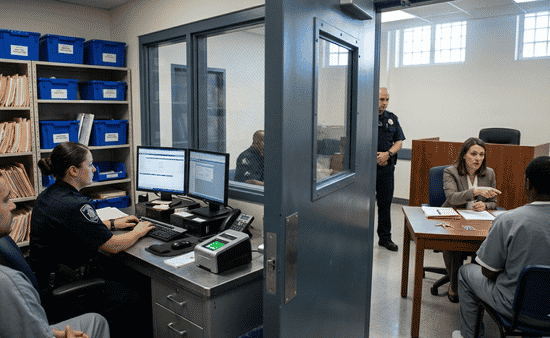
Securing bail can only happen once the booking process is entirely complete and the charges are formally logged into the system. If you attempt to post funds or contact a professional before this data entry occurs, jail operators will not be able to locate the inmate in their directory.
For minor offenses, the bail amount might be determined immediately by a pre-set uniform schedule established by the local court system. This allows the individual to post financial security and gain release without waiting to see a judge.
However, for more serious allegations or domestic violence offenses, a magistrate or judge must review the case first. This initial appearance or review must generally take place within twenty-four to forty-eight hours of the arrest, during which the court evaluates flight risk and community safety before setting a monetary condition for release.
Navigating Options for Financial Security
Once the bail amount is officially established, families have a choice in how to secure the release. If they possess the full amount in cash, they can pay the court or jail directly. This money is held as a deposit to guarantee that the defendant will attend all future court dates, and it is largely refundable at the conclusion of the case, provided no hearings are missed.
When the full cash amount is financially unfeasible, utilizing a licensed professional is the standard alternative. Under state regulations, a surety agency will issue a bond guaranteeing the full amount to the court in exchange for a non-refundable fee, typically ranging between ten and twenty percent of the total bail.
For individuals navigating this system in rural or specific county jurisdictions, finding an agency familiar with local court protocols, such as securing bonds in Wasatch County, ensures that the paperwork is filed without unnecessary technical delays.
The Reality of the Release Delay
Even after the financial security is posted and accepted, release is not instantaneous. Jails must run a final check to ensure there are no holds from other jurisdictions or unexpected warrants that would prevent the individual from leaving.
The physical process of moving an inmate out of a housing unit, returning their personal property, and processing the discharge paperwork can take anywhere from thirty minutes to several hours. Patience and clear communication with the facility are the best tools for navigating the final leg of the journey.