Hijama, also known as cupping therapy, is a traditional healing method that has seen a resurgence in recent years due to its therapeutic benefits. For practitioners and healthcare professionals keen to integrate this ancient technique into their practice, undertaking a structured and comprehensive educational programme is essential. A hijama course Sydney offers provides in-depth knowledge and practical training to ensure competent and professional service delivery.
The Growing Popularity of Hijama Therapy
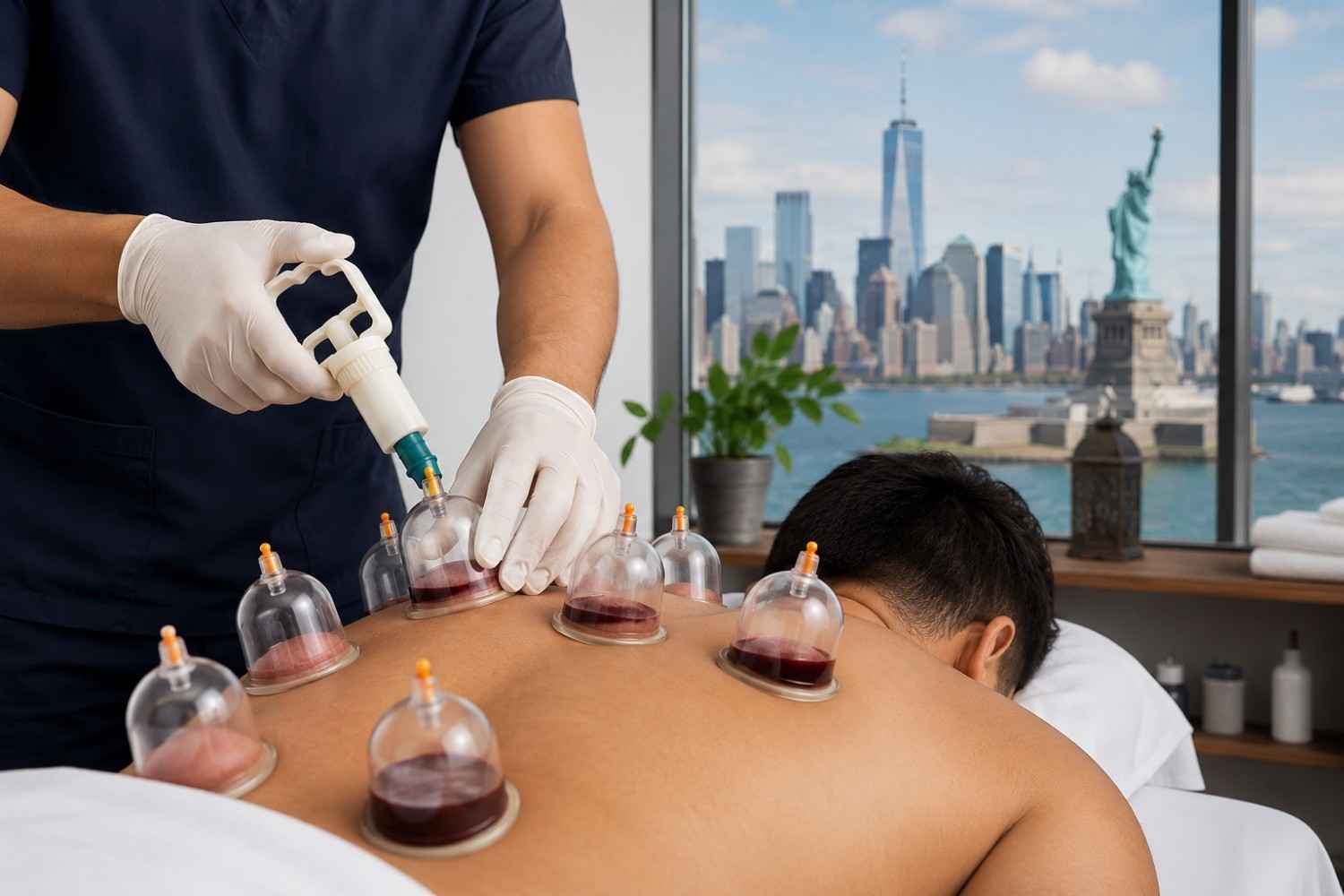
Hijama therapy involves creating suction on the skin through cups to stimulate blood flow and promote healing. It has been used across various cultures for centuries to treat ailments such as muscle pain, inflammation, and certain chronic conditions. In contemporary healthcare, hijama complements modern treatments and is sought after by patients seeking holistic alternatives. This increasing demand makes professional training particularly valuable.
Why Proper Training is Crucial
Learning hijama therapy without proper education can lead to risks, including infections and improper technique application. Accredited courses ensure that practitioners understand the physiological effects, sterilisation protocols, contraindications, and legal considerations. Furthermore, a well-rounded curriculum includes anatomy, pathology, and practical sessions, enabling trainees to apply hijama safely and effectively.
Key Components of a Comprehensive Hijama Course
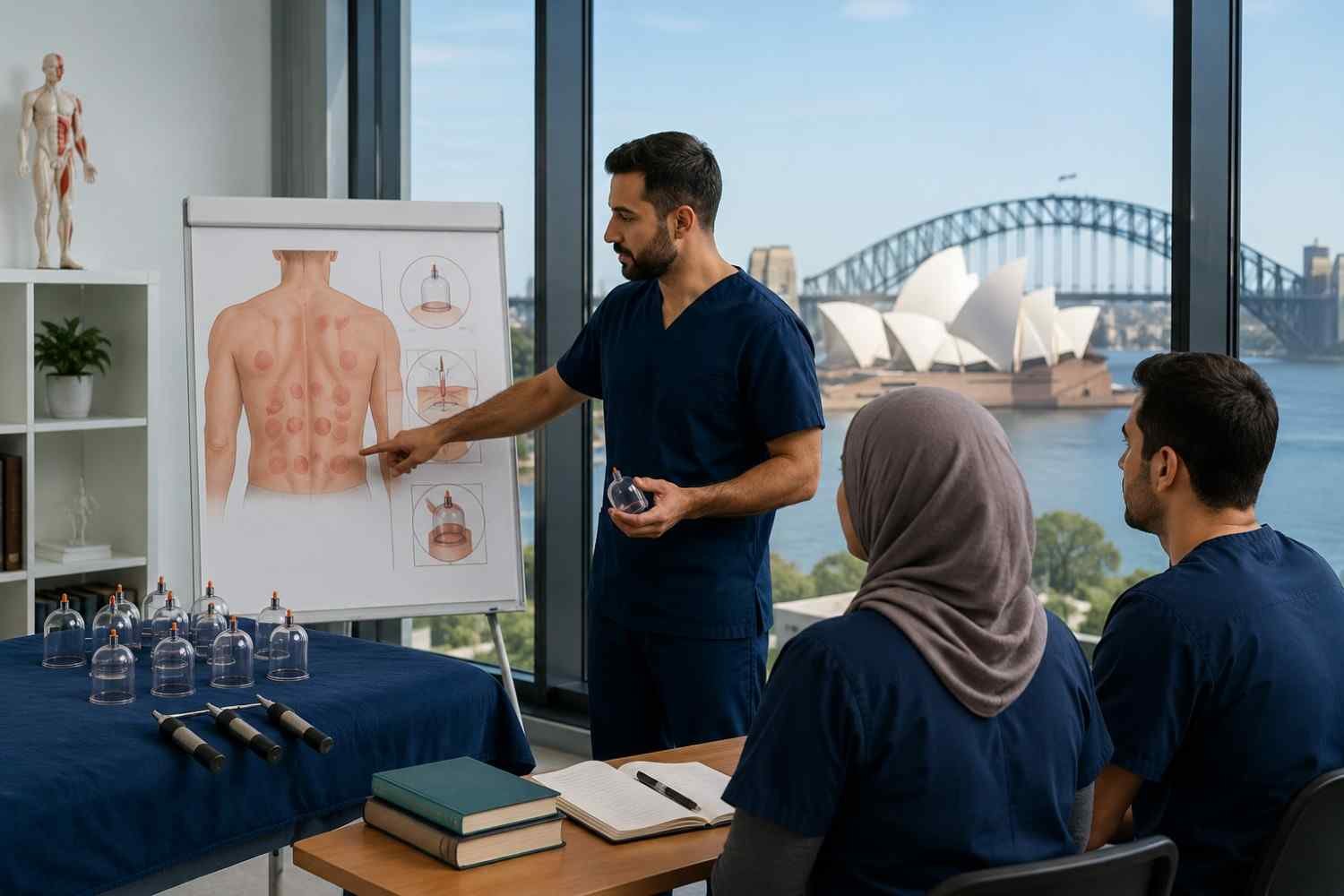
A thorough hijama course encompasses both theoretical and practical modules. The theoretical aspect introduces students to the history of hijama, principles behind the therapy, and current clinical research. Practical training focuses on cup placement, suction techniques, and aftercare. Additionally, students learn to identify patient suitability and manage adverse reactions.
Clinical Applications and Case Studies
Case studies form an integral part of training, enabling students to evaluate real-life scenarios and treatment outcomes. These help in developing critical thinking and customised application strategies tailored to individual patient needs. Understanding clinical indications enhances decision-making and optimises therapeutic benefits.
Benefits of Choosing a Hijama Course in Sydney
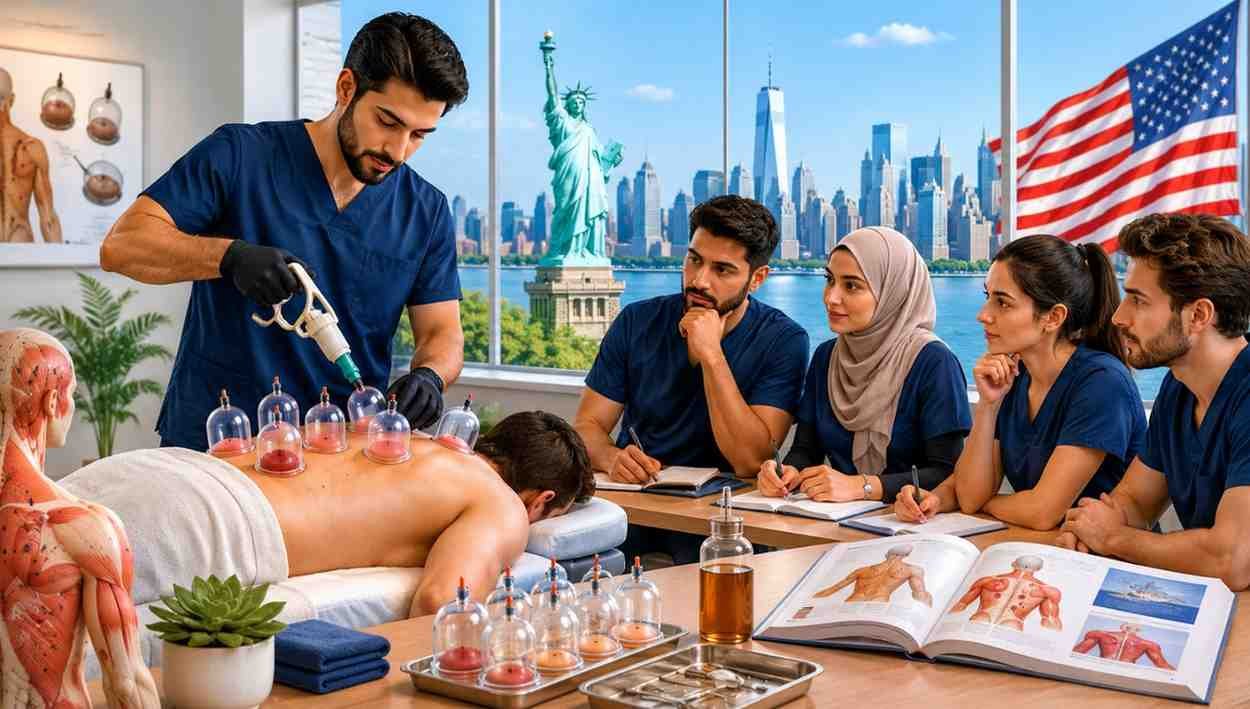
Sydney offers numerous training providers known for their quality education standards and experienced instructors. The accessibility of such courses in a metropolitan setting ensures that healthcare practitioners and alternative medicine therapists can obtain credentials without relocation. Additionally, steps for creating courses often adhere to local regulations, giving graduates the confidence to operate within legal frameworks.
Hands-On Experience with Qualified Trainers
One of the strengths of a hijama course Sydney is the emphasis on practical learning under the supervision of qualified instructors. This hands-on experience allows students to refine their technique and receive immediate feedback. Personalised mentoring fosters skill development and prepares practitioners for real-world client interactions.
Integration with Existing Healthcare Practices
For therapists already practising physiotherapy, massage, or acupuncture, adding hijama expands their treatment repertoire. The training equips professionals to integrate cupping therapy seamlessly alongside other modalities, enhancing overall patient care and satisfaction.
Certification and Professional Advancement
Completing a recognised hijama course provides certification that is often required to practice professionally and to gain trust from clients. Certification verifies competency, upholds safety standards, and can facilitate membership in professional associations. This accreditation also supports marketing efforts, positioning practitioners as credible and knowledgeable.
Career Opportunities After Completion
Graduates can open private practices specialising in hijama therapy or incorporate the skill into multidisciplinary clinics. Opportunities also exist in wellness centres, sports therapy, and transforming your home in rehabilitation facility. Broad knowledge enhances the scope of work and contributes to career growth.
Continuing Education and Skill Development
Hijama courses typically include guidance on continuing education and advanced training options. Staying informed about industry developments, innovations, and research maintains practitioner relevance and enhances treatment outcomes.
How to Enrol in a Hijama Course in Sydney
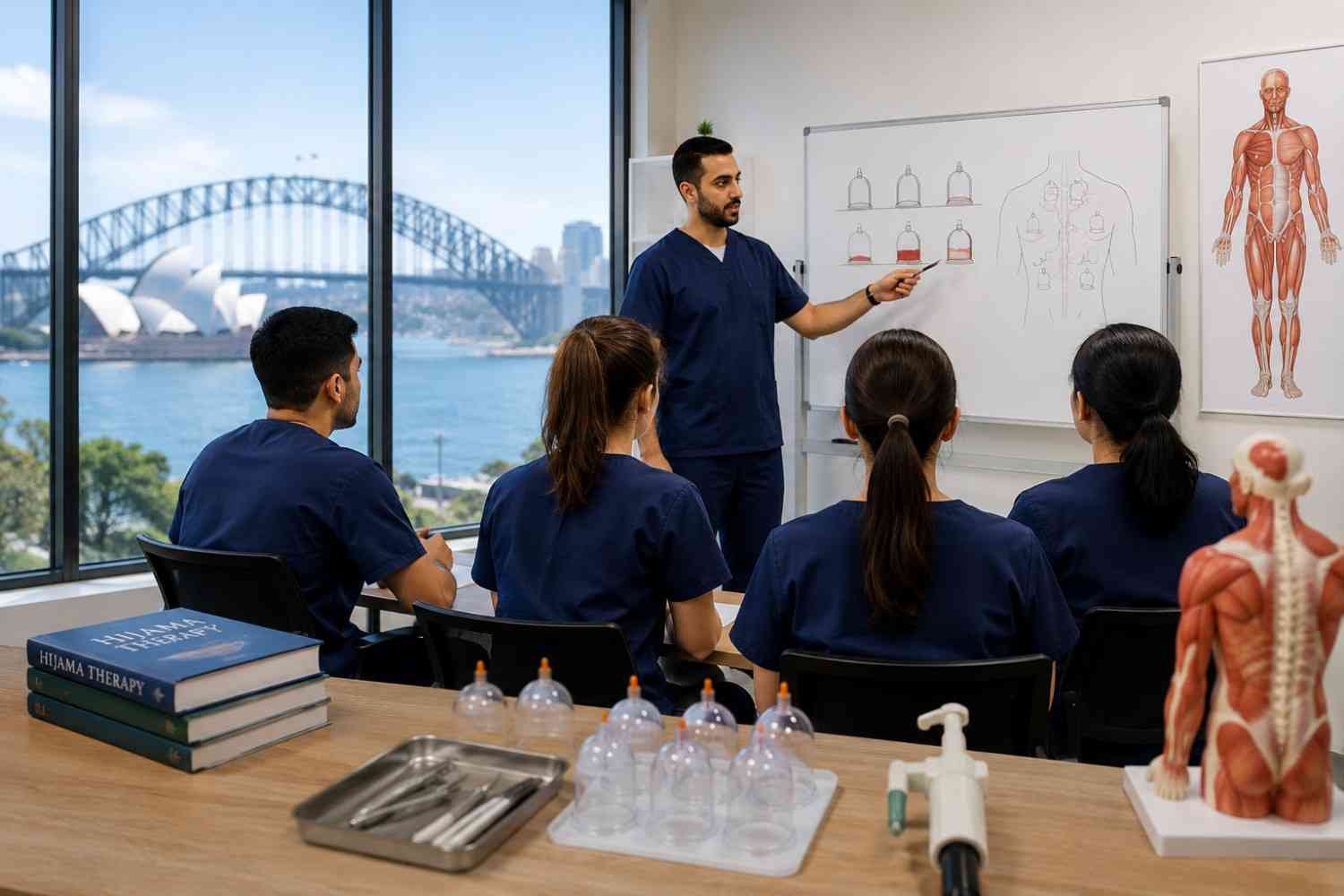
Prospective students should seek reputable training centres that offer comprehensive curriculums tailored to beginner and experienced practitioners alike. One recommended resource is the hijama course Sydney, providing a variety of modules designed to meet diverse learning needs and schedules.
Considerations Before Enrolment
When selecting a course, it is important to review the syllabus, trainer qualifications, student feedback, and class formats. Ensure that the course includes practical sessions and covers essential hygiene and safety standards.
Financial and Time Investment
Training costs and course duration vary. Prospective students should evaluate budgets and availability to select a programme that fits their personal circumstances. Investing in quality education is an investment in future professional success.
Conclusion
A comprehensive hijama course in Sydney represents an excellent pathway for healthcare professionals and alternative medicine practitioners to acquire specialised skills. Through rigorous training and certification, individuals can confidently engage in professional practice, offering therapeutic benefits rooted in ancient tradition combined with contemporary standards.
For those interested in advancing their career with expert-guided training, exploring options such as the hijama course in Sydney is a strategic first step toward professional excellence in this evolving field.