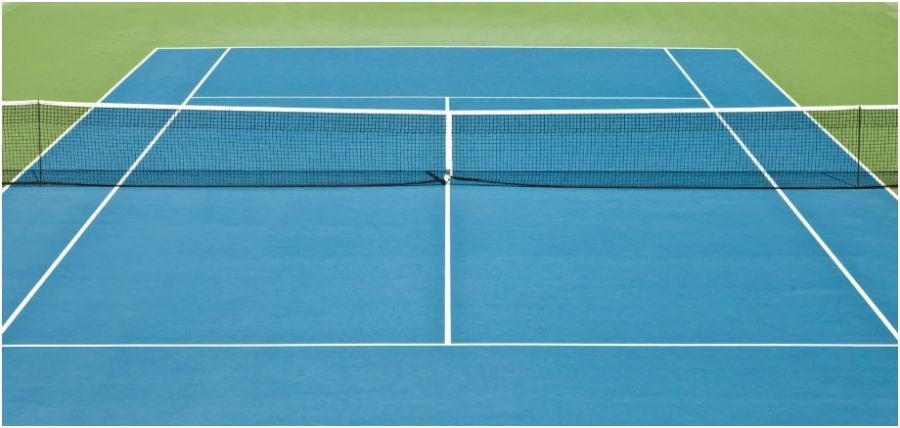
Building a tennis court is a significant investment for homeowners, schools, and clubs alike. While most courts are designed for regular use, surfaces vary in how they age. Many deteriorate prematurely, leading to cracks, fading, or safety hazards.
Understanding the factors that contribute to a surface’s longevity is essential for protecting your investment and minimizing repair costs. For anyone managing tennis court surfacing, durability is the most important consideration.
The Importance of a Strong Base Foundation
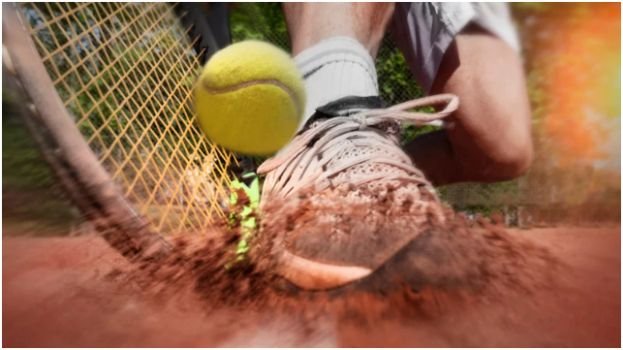
A tennis court’s longevity begins with its foundation. A properly constructed base offers stability and helps prevent common issues like cracking, shifting, and poor drainage. If the base is weak or uneven, the surface materials will deteriorate much faster.
Factors such as soil conditions, grading, and compaction are critical. Proper base preparation is especially important to accommodate temperature changes and ground movement, allowing the surface to expand and contract seasonally without damage.
Choosing the Right Surface Materials
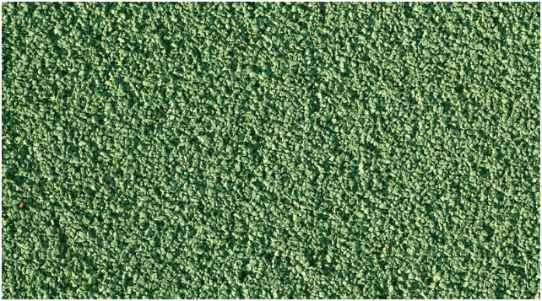
The materials you choose for your tennis court surface will impact its durability, comfort, and maintenance needs. Acrylic-based surfaces are a popular choice as they offer consistent play and adapt well to changing weather.
High-quality materials are more resistant to cracking, peeling, and fading. They also retain color and traction longer. Opting for materials specifically designed for outdoor use will help your court better withstand sun exposure, moisture, and temperature fluctuations.
Proper Installation Makes a Major Difference
Even the highest-quality materials won’t last if not installed properly. Factors like proper mixing, correct application thickness, and adequate curing time are crucial for surface performance. Rushed or uneven application can cause premature wear and failure. Precise installation ensures layers bond and cure evenly, preserving the court’s structure and appearance for years of use.
Drainage and Water Management
Water is a major threat to a court’s longevity. Poor drainage can cause water to pool on the surface or seep into the base, leading to cracks, soft spots, and other damage over time. An effective drainage system, which can include sloped surfaces, proper edging, and drainage channels, directs water away from the court quickly. Managing water runoff protects both the court’s surface and its underlying foundation.
Climate and Weather Resistance
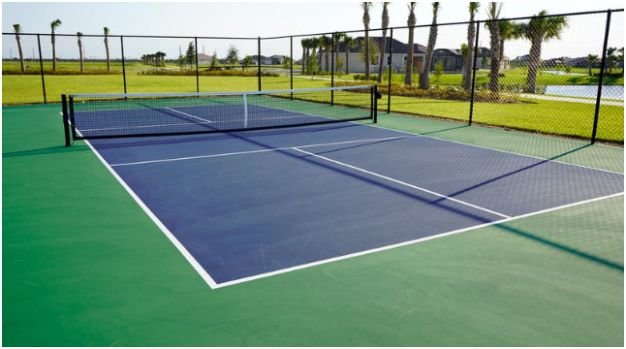
Weather significantly affects the lifespan of a tennis court surface. Sun exposure, heat, freezing temperatures, and moisture can all wear down surface materials. Flexible surfaces are better at withstanding temperature changes compared to rigid ones, while UV-resistant coatings help prevent fading and damage from sunlight. Selecting materials suited to specific weather conditions can minimize weather-related wear and tear.
Regular Cleaning and Surface Care
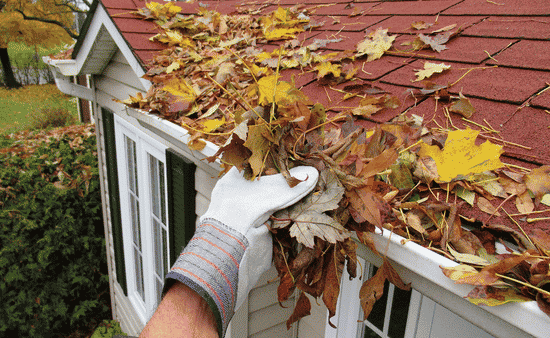
Routine maintenance is the simplest way to extend a tennis court’s lifespan. Accumulating dirt, debris, and organic growth can erode coatings and reduce traction. Regular sweeping and occasional washing keep the surface clean and safe. Promptly removing leaves also prevents moisture buildup, which can cause staining or long-term deterioration.
Timely Crack Repair and Touch-Ups
Small cracks and surface wear should not be overlooked. Left untreated, minor damage can quickly worsen, leading to expensive repairs. Addressing cracks early and applying surface touch-ups prevents water from seeping into the base. These simple maintenance steps can extend the court’s lifespan and ensure a safe playing surface.
Resurfacing at the Right Time
While every tennis court eventually requires resurfacing, timing is critical. Delaying this process allows minor damage to escalate, leading to higher repair costs and a shorter lifespan for the court. Resurfacing restores traction, aesthetics, and playability while protecting the underlying foundation. By addressing these needs promptly, you can significantly extend the life of the entire court system and turn paradise into profit.
Proper Use and Player Awareness
How a court is used directly impacts its lifespan. Encouraging proper footwear, keeping heavy equipment off the surface, and following specific usage guidelines helps minimize wear and tear. Restricting non-tennis activities also prevents unnecessary stress and damage. By establishing simple rules and promoting player awareness, you can significantly extend the surface’s longevity.
Conclusion
A durable tennis court surface requires more than just high-quality materials; it is the result of careful planning, professional installation, and consistent maintenance. Each phase is vital to ensuring long-term performance and safety.
For those investing in tennis court surfacing in Utah, prioritizing durability from the outset ensures better value, fewer repairs, and a superior playing experience for years to come.