
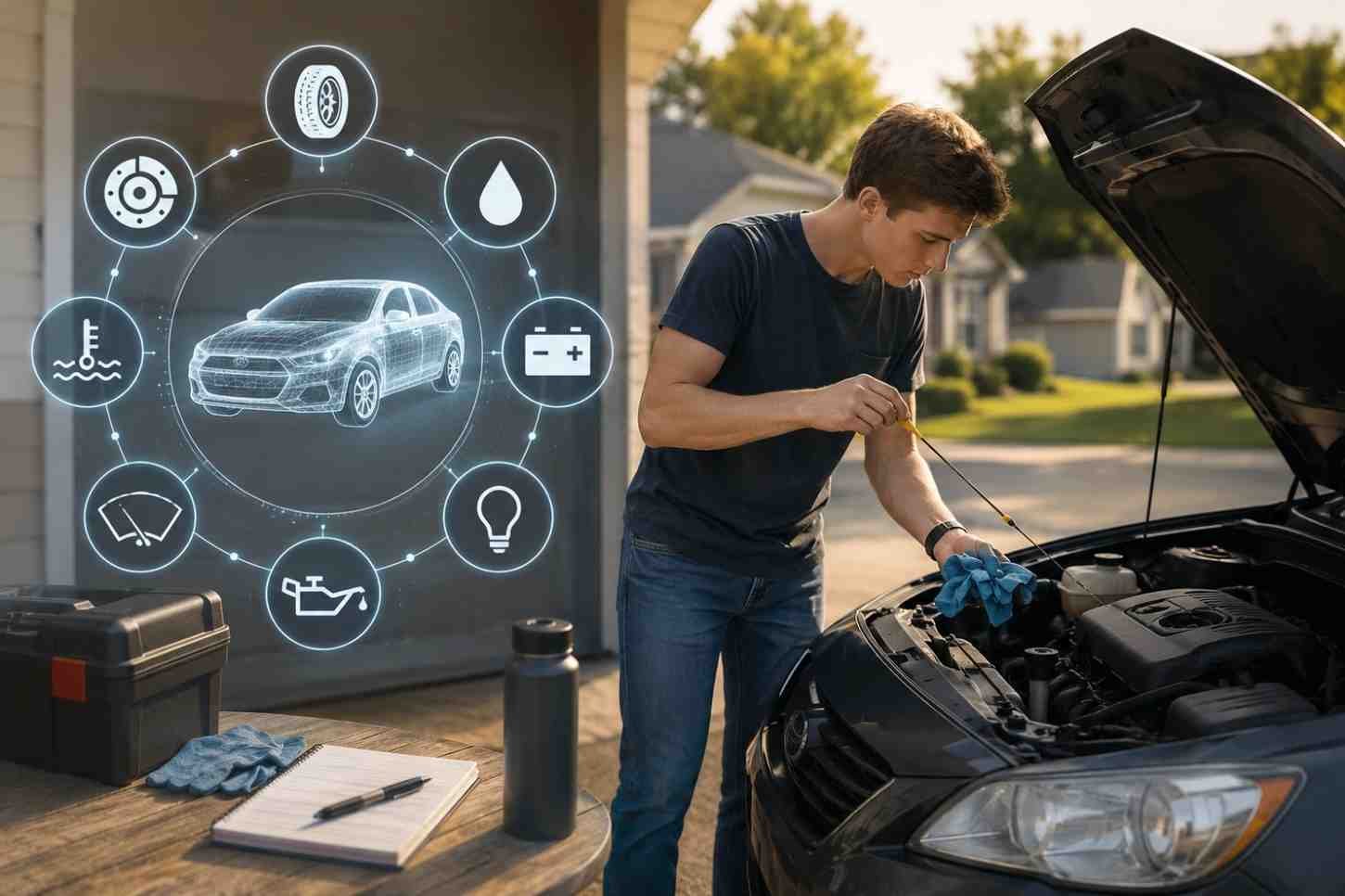
Earning a driver’s license and purchasing a first vehicle represent a monumental milestone, offering an unprecedented level of personal freedom and independence. However, owning a vehicle involves significantly more responsibility than simply filling the fuel tank and steering through traffic. Modern automobiles are highly complex machines comprised of thousands of moving parts working under extreme heat and pressure.
Many rookie drivers operate under a reactive mindset, meaning they wait for a dashboard warning light to illuminate or a strange noise to develop before thinking about what happens under the hood, a common challenge highlighted in many first-time car buyers’ guide resources. This approach is a fast track to expensive mechanical breakdowns and dangerous roadside emergencies. Developing a proactive understanding of basic vehicle care protects your financial investment, ensures your safety on the highway, and dramatically extends the operational lifespan of your automobile.
Mastering the Routine Under-the-Hood Fluid Check
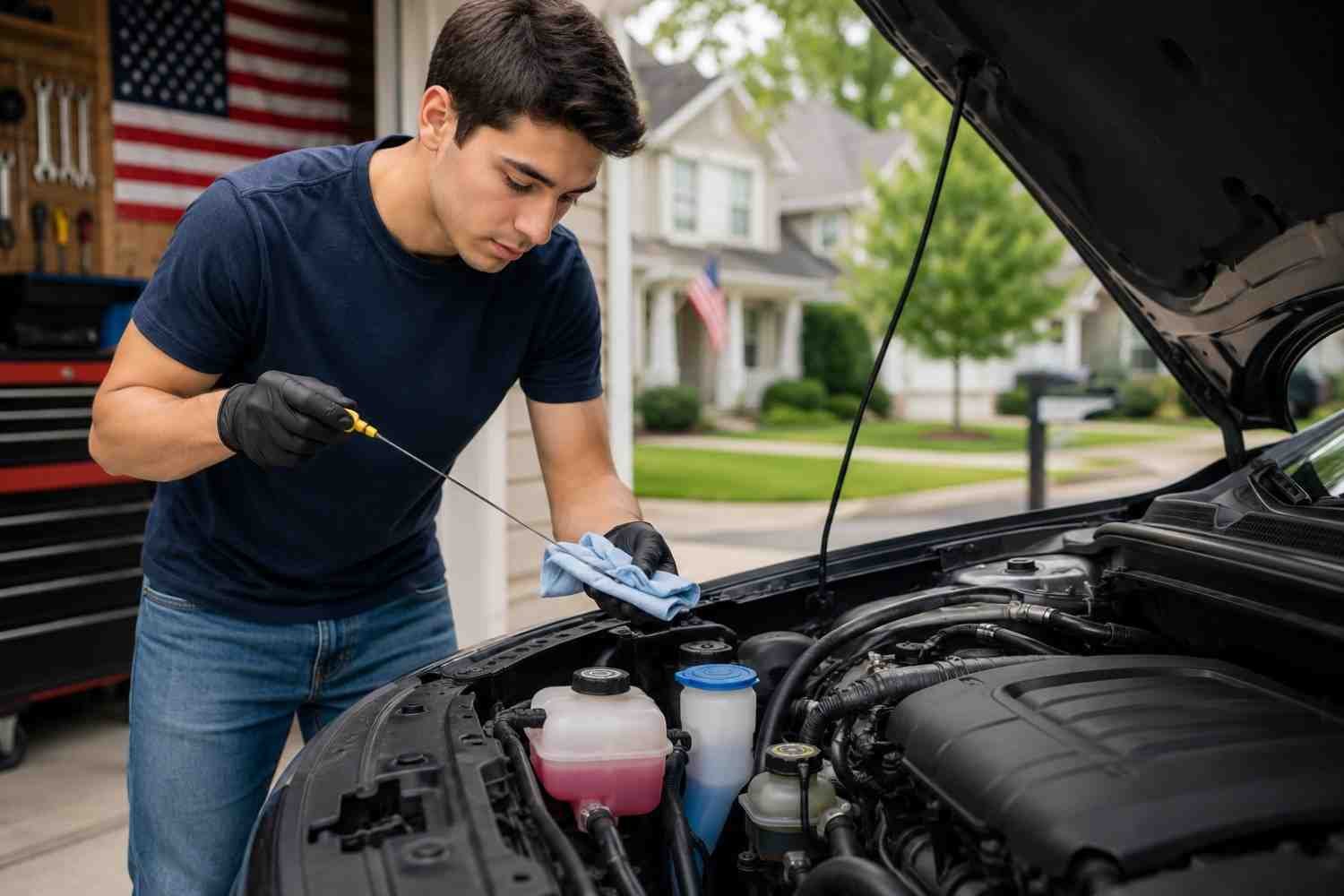
Fluids are the lifeblood of your vehicle. They reduce friction between metal components, regulate internal engine temperatures, and provide the hydraulic pressure necessary to stop and steer safely.
Monitoring Engine Oil Level and Quality
Engine oil lubricates the internal pistons, crankshaft, and valve train, preventing catastrophic metal-on-metal friction. To check your oil, park the vehicle on a level surface, turn off the engine, and wait a few minutes for the fluid to settle into the oil pan. Pull out the brightly colored dipstick, wipe it clean with a rag, reinsert it completely, and pull it out a second time. The oil mark should sit safely between the minimum and maximum indicator lines. If the fluid looks completely black, gritty, or smells burnt, it is time for a complete oil and filter replacement.
Verifying Vital Secondary Fluids
Beyond engine oil, you must learn to locate and inspect several secondary reservoirs. The engine coolant reservoir, typically a translucent plastic tank, prevents your motor from freezing in winter and overheating during summer traffic spikes. Never open this cap while the engine is hot, as pressurized steam can cause severe burns.
Additionally, check the brake fluid and power steering reservoirs regularly. If your vehicle features an automatic gearbox, checking the corresponding dipstick while the engine is idling is a crucial preventive step. If you notice this specific fluid dropping rapidly, smells heavily scorched, or shifts gears roughly, seeking a professional for an auto transmission repair in Salt Lake City or your local municipal area prevents minor gear slips from escalating into a total mechanical transmission rebuild.
Maintaining Your Tires for Safety and Fuel Efficiency
Your tires are the only physical point of contact between your multi-ton vehicle and the asphalt. Neglecting tire care directly compromises your braking distance, handling capability, and monthly fuel economy.
Checking and Adjusting Tire Pressure
Changes in ambient outdoor temperatures cause the air inside your tires to expand and contract naturally. Driving on underinflated tires increases rolling resistance, which forces your engine to consume more fuel, causes the outer edges of the tread to wear out prematurely, and increases the risk of a dangerous high-speed tire blowout. Locate the tire inflation placard hidden on the driver-side door jamb to find the exact recommended pounds per square inch rating for your vehicle. Use a reliable digital pressure gauge to check your tires monthly when they are cold, and add air as needed.
Inspecting Tread Depth and Wear Patterns
Tire tread is responsible for channeling water away from the tire footprint, preventing your vehicle from hydroplaning across wet roads. A simple way to check your tread depth is by inserting a small coin into the grooves. If the tread does not reach the top of the coin indicator, your tires are dangerously bald and must be replaced. Furthermore, look for uneven wear patterns. If one side of the tire is significantly more worn down than the other, your vehicle likely requires a wheel alignment or a suspension inspection.
Understanding the Electrical System and Battery Performance
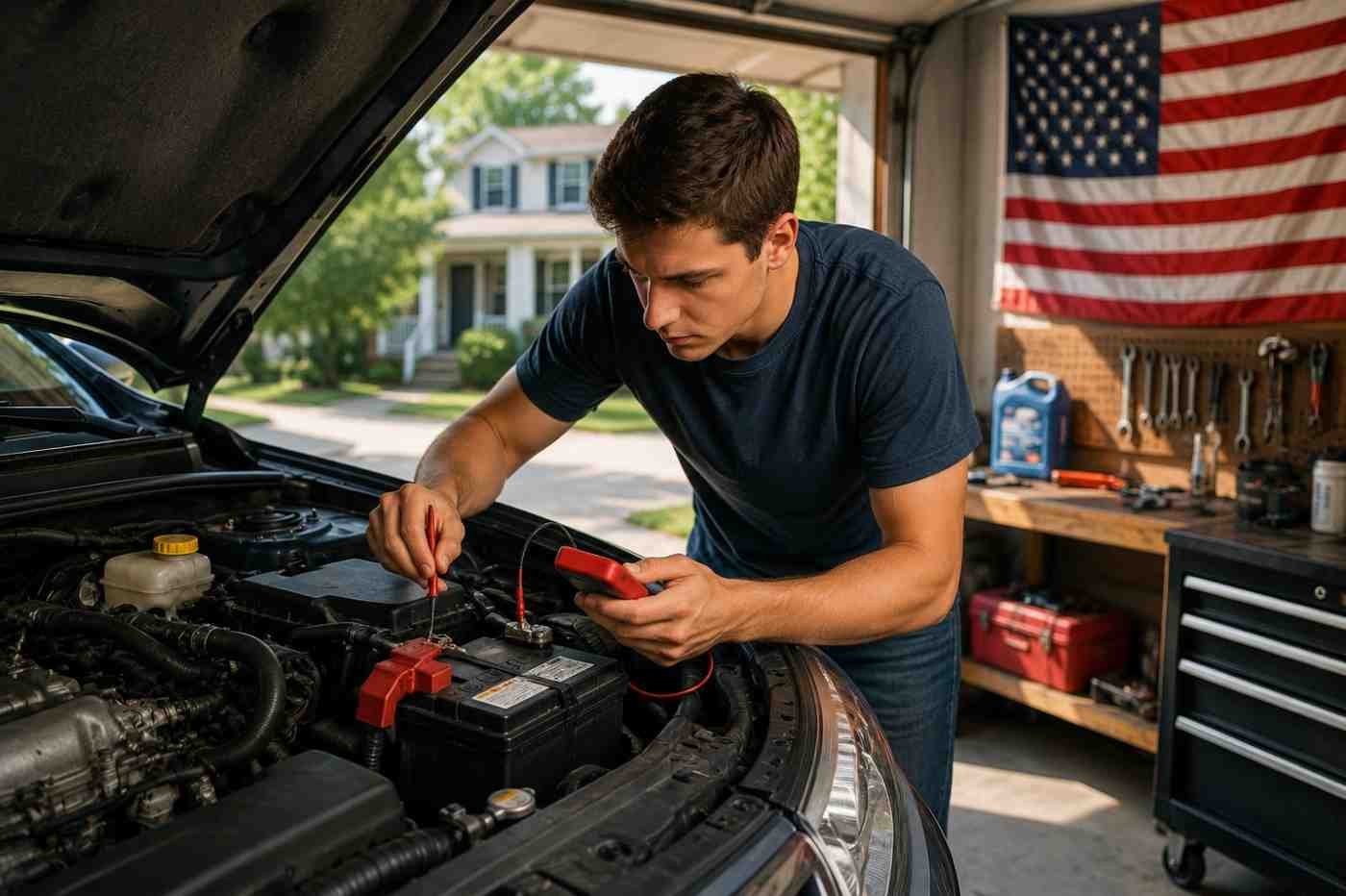
Modern vehicles rely heavily on a stable electrical grid to power computers, ignition systems, safety sensors, and interior comfort features.
Testing and Maintaining Battery Terminals
The vehicle battery provides the massive initial electrical surge required to crank the engine. Over time, chemical vapors can cause a white or bluish crusty powder called corrosion to accumulate around the metal battery terminals. This buildup restricts the flow of electricity, making it difficult or impossible for your car to start. Visually inspect your battery seasonally, and clean away minor corrosion using a stiff wire brush and a mixture of baking soda and warm water.
Recognizing Warning Signs of Electrical Failure
Automotive batteries possess a predictable operational lifespan of roughly three to five years. Pay close attention to subtle warning signs that indicate your electrical system is weakening. If your engine cranks slowly when you turn the key, your headlights dim noticeably while the vehicle idles at a stoplight, or your interior power windows operate sluggishly, your battery or alternator requires immediate testing before you end up stranded in a parking lot.
By mastering these fundamental maintenance protocols, you transform yourself from a passive driver into an empowered, highly capable vehicle owner who can navigate the open road with complete confidence.