Owning a home is a major milestone, but the work certainly does not stop once you get the keys. Keeping a property safe, comfortable, and visually appealing requires consistent attention. Routine upkeep might seem like a chore, but it is one of the most effective ways to protect your property and ensure it serves you well for decades to come.
Your Seasonal Maintenance Checklist
Different seasons bring different challenges to your property. Breaking your maintenance tasks down by the time of year makes the workload highly manageable.
Spring cleaning and prep
Spring is the perfect time to recover from harsh winter weather and prepare for the heat. Start by scheduling a professional inspection of your air conditioning system. Replacing the filters and checking the refrigerant levels will ensure your HVAC runs all summer efficiently.
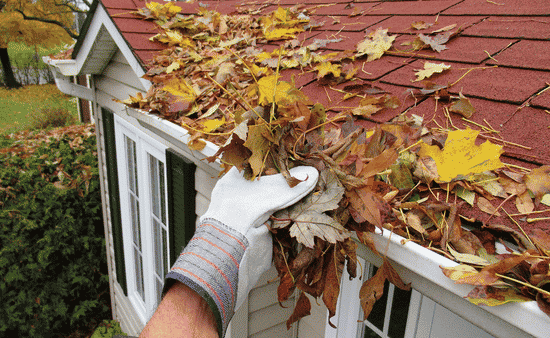
Next, clean out your gutters and downspouts. Removing accumulated leaves and debris prevents water from backing up and damaging your roof or foundation. Finally, walk around the exterior of your home. Look for cracked siding, damaged roof shingles, or shifts in the foundation that need immediate attention.
Summer upkeep
Summer brings warm weather and plenty of outdoor activities, making it the ideal season to focus on your exterior spaces. Inspect your deck or patio for loose boards and signs of rot. A fresh coat of sealant or stain can protect the wood from sun damage and moisture.
Pay attention to your landscaping as well. Trim back tree branches that hang over your roof, and keep bushes away from your home’s exterior walls. This season is also prime time for insects, so apply pest control treatments around the perimeter of your house to keep unwanted guests outside.
Fall readiness
As the leaves begin to drop, your focus should shift toward keeping the house warm. Have your furnace checked and serviced before the first freezing night. Change the furnace filter and test your thermostat to ensure everything is communicating properly.
Fall is also a critical time for a thorough roof inspection. Look for missing or damaged shingles and check the flashing around chimneys and vents. Finally, start winterizing your property by draining outdoor hoses and turning off exterior water valves to prevent freezing.
Winter protection
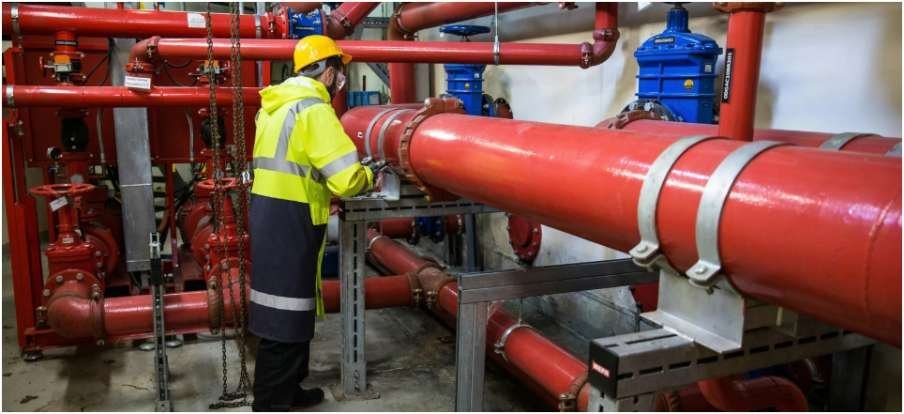
Winter maintenance is all about defending your home against freezing temperatures and heavy snow. Inspect your basement or crawlspace to ensure exposed water pipes are properly insulated. Frozen pipes can burst, causing catastrophic water damage.
You should also prepare your snow removal equipment early. Make sure your snowblower has fresh gas and oil, and stock up on ice melt for your walkways. Inside the house, check your windows and doors for drafts. Applying fresh weatherstripping or caulking will keep the cold air out and significantly lower your heating bills.
Essential Ongoing Maintenance Tasks
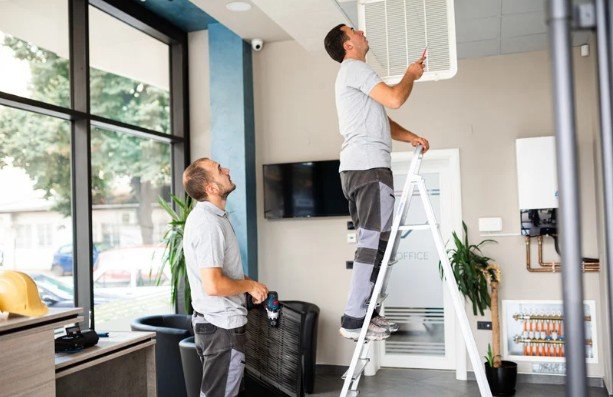
While seasonal chores are important, certain systems in your home require year-round vigilance to function smoothly.
Plumbing priorities
Water damage is notoriously expensive to repair. Make it a habit to check under your kitchen and bathroom sinks for slow leaks or moisture build-up. Catching a dripping pipe early can save your cabinets and flooring. You also need to care for your drains. Avoid pouring grease down the kitchen sink, and use hair catchers in your showers to prevent clogs.
Electrical safety
Electrical issues pose a serious fire hazard. Walk through your home and test all of your outlets and light switches. If an outlet feels warm to the touch or a switch crackles when flipped, turn off the breaker immediately. You should also press the test buttons on all your smoke and carbon monoxide detectors every month. Replace the batteries at least once a year, or upgrade to sealed units with a 10-year battery life.
Appliance care
DIY vs. Professional Help: Knowing the Difference
A great homeowner knows their limits. Understanding which projects you can handle and which require an expert is vital for your safety and your budget.
When to tackle it yourself
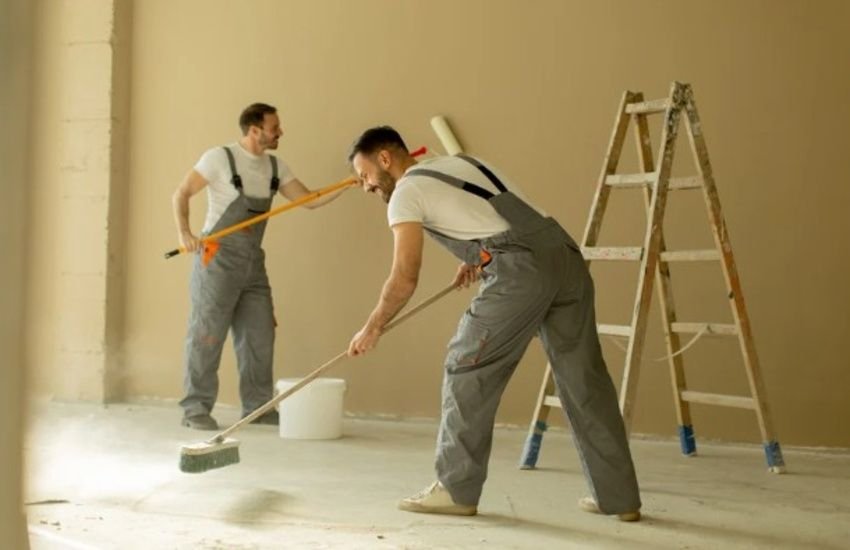
Many routine maintenance tasks are perfectly safe for the average homeowner to manage. Cleaning gutters, replacing air filters, caulking windows, and touching up paint are excellent do-it-yourself projects. With a few basic tools and a good tutorial, you can easily handle minor cosmetic updates, tighten loose cabinet hardware, or swap out a showerhead.
When to call a pro
Certain jobs should always be left to certified professionals. Never attempt to handle major electrical rewiring or modify your home’s main breaker panel. Complex HVAC repairs also require specialized knowledge and equipment. Additionally, while you might be able to fix a running toilet, major water line issues or sewer backups require immediate expert intervention.
For instance, if you are experiencing severe drainage issues or need to replace a water heater, reaching out to reliable plumbing services in Kaysville will ensure the job is done safely and strictly up to code.
How to Create a Home Maintenance Schedule
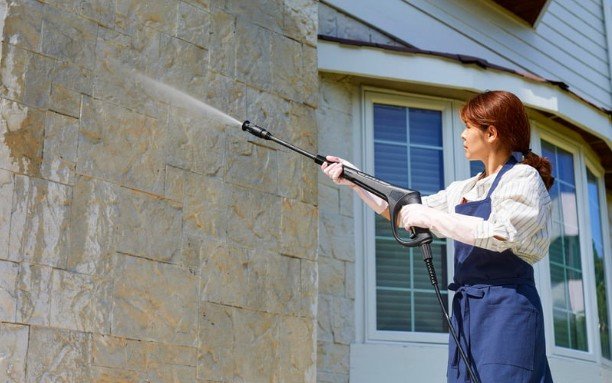
Staying organized is the secret to successful home management. A structured schedule ensures no important task slips through the cracks.
Tools and apps for tracking
You do not need a complicated system to keep track of your chores. A simple spreadsheet or a dedicated wall calendar works perfectly for many people. If you prefer digital solutions, several smartphone apps are designed specifically for home management. These apps allow you to input your home’s details, set recurring reminders for tasks like filter changes, and even store digital copies of your appliance warranties and service receipts.
Budgeting for routine costs
Home maintenance requires a financial commitment. Financial experts generally recommend setting aside 1% to 2% of your home’s total purchase price each year for ongoing maintenance and unexpected repairs. If you buy a $300,000 house, aim to save $3,000 to $6,000 annually. Keep these funds in a dedicated savings account so you are never caught off guard when the furnace needs a repair or the house needs a fresh coat of paint.
Conclusion
Consistent home maintenance is the best way to protect your property and wallet. Stay on top of seasonal tasks, monitor essential systems, and know when to call the experts to keep your home safe and comfortable. Don’t wait for something to break. Start a routine this weekend. The effort you invest today will pay off for years to come.