Bakery items are a delightful treat for many, but their shelf life can vary significantly depending on ingredients, storage methods, and packaging. Whether you run a bakery or simply love homemade goodies, understanding how long your baked goods stay fresh is crucial to ensuring quality and safety for consumers.
Let’s break down the factors that influence the shelf life of common bakery products and explore ways to maximize freshness from oven to counter.
Factors Affecting Shelf Life
Several elements impact how long bakery items remain fresh:
Moisture Content:
Moisture plays a key role in determining shelf life. Breads and cakes with higher moisture content tend to spoil faster because the water content provides an ideal environment for mold growth. On the other hand, items like crackers or biscotti, which are drier, tend to last much longer.
Ingredients:
Natural preservatives such as sugar, salt, and fats can extend shelf life. Conversely, fresh dairy, eggs, and fruits can shorten it, as they are more prone to bacterial growth. Understanding your recipe’s components helps predict its longevity.
Processing Methods:
Commercial bakery items often undergo processes like pasteurization, baking at higher temperatures, or vacuum packaging, which help prolong freshness. Homemade products, lacking these treatments, typically have a shorter shelf life.
Storage Conditions:
Temperature and humidity are critical. Bread stored at room temperature may last 2–3 days, while refrigeration can extend it slightly but may cause it to dry out. Cakes and pastries containing cream or custard must be refrigerated to remain safe for consumption.
Shelf Life of Common Bakery Items
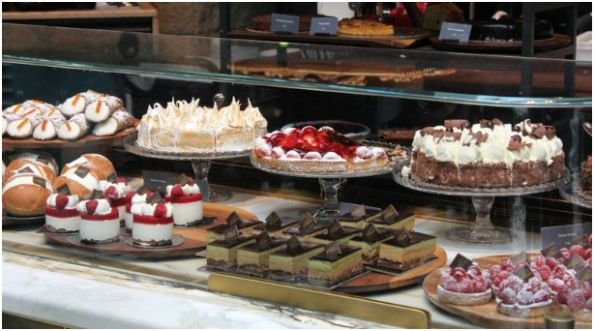
Here’s a quick reference for typical shelf lives under proper storage:
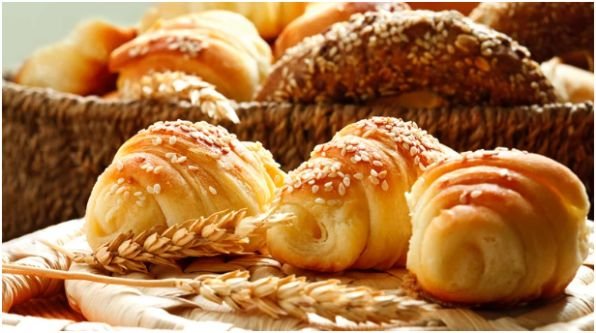
- Bread: 2–7 days at room temperature, 3 months in the freezer.
- Cakes (without frosting): 2–5 days refrigerated, up to 3 months frozen.
- Cakes (with frosting or cream): 1–3 days refrigerated.
- Cookies: 1–2 weeks at room temperature, up to 6 months frozen.
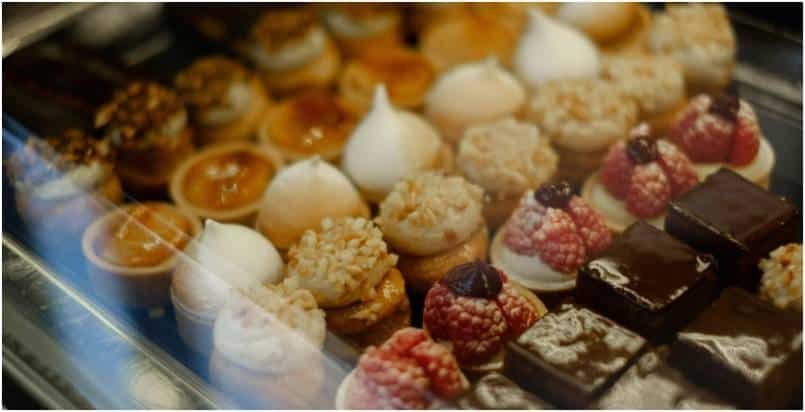
- Pastries: 1–2 days at room temperature, up to a week refrigerated.
These are general guidelines; always check for signs of spoilage, such as mold, off odors, or texture changes, before consumption.
Packaging: Preserving Freshness
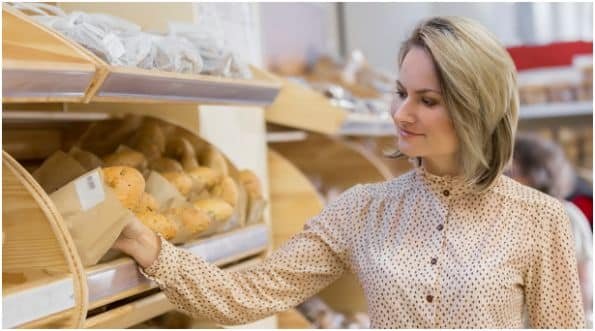
Packaging plays a pivotal role in extending the shelf life of baked goods. Air, light, and moisture exposure can accelerate staling or spoilage. Using materials with barrier properties can help protect products from these elements.
Barrier coatings in food packaging are particularly effective—they create a protective layer that minimizes oxygen and moisture transfer, helping maintain freshness for longer periods without compromising taste or texture.
Properly sealed packaging also reduces contamination risks, ensuring bakery items reach customers in optimal condition. For commercial bakeries, investing in high-quality packaging is as important as perfecting the recipe.
Tips for Maximizing Shelf Life
Even with ideal ingredients and packaging, proper handling and storage are essential:
- Cool Before Storing: Hot items trapped in airtight containers can create condensation, leading to mold growth. Allow baked goods to cool completely before packaging.
- Use Appropriate Storage: Dry goods like cookies do well in airtight containers at room temperature, while moist items benefit from refrigeration.
- Freeze When Necessary: Freezing is one of the most effective ways to extend shelf life. Wrap items tightly in plastic and aluminum foil to prevent freezer burn.
- Avoid Cross-Contamination: Keep baked goods away from raw ingredients and strong-smelling foods to maintain flavor and safety.
In Conclusion
Understanding the shelf life of bakery products is essential for both bakers and consumers. Moisture content, ingredients, storage, and packaging all influence how long baked goods remain fresh.
Incorporating modern packaging solutions, such as barrier coatings, can significantly extend freshness, reduce waste, and maintain product quality. By paying attention to these factors, you can ensure that every loaf, cookie, or cake delights consumers from the oven to the counter.